Motorist Sues Family Of Father Of Two He Killed In Freak Road Accident, Cites PTSD
A driver in Nebraska files a lawsuit against a jogger's estate, citing PTSD from a fatal accident

A motorist who struck and killed a jogger in the United States has filed a civil lawsuit against the victim's estate, saying the incident left him with severe post-traumatic stress disorder (PTSD).
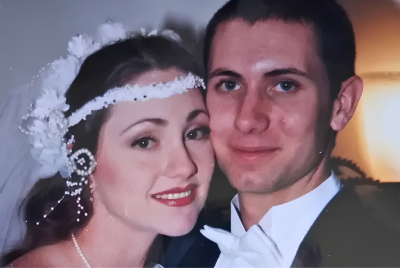
Gavin Maas, 26, lodged the claim in Lancaster County, Nebraska, in April 2026, seeking at least $50,000 (about £36,900) in damages for what court documents describe as ongoing physical and psychological effects. The case centres on a fatal collision in August 2025, which resulted in the death of Anthony Miller, a 37-year-old father of two.
Compensation for psychological injury is recognised in law, though claims involving a deceased person's estate are less common and can raise complex legal questions.
Details of the Collision and Legal Claim
According to the complaint, the incident occurred in the early hours of 31 August 2025 in Lincoln, Nebraska. Maas was driving along a dark road when he encountered Miller and his wife jogging.
Court filings state that Miller's wife was wearing reflective clothing and was avoided, while Miller was allegedly dressed in darker clothing and positioned in the roadway. The claim states that the collision occurred shortly after he became visible.
Maas reportedly stopped immediately and attempted life-saving measures. Miller was taken to hospital but later died from his injuries. Police at the time did not bring criminal charges and said there was no indication the driver was impaired.
PTSD Claim and Medical Treatment
The legal action states that Maas has experienced significant psychological distress since the incident. According to the filing, he has required hospital treatment and completed a 21-day rehabilitation programme focused on trauma.
The complaint describes symptoms including intrusive memories, dissociation and ongoing anxiety, and states that he may require long-term care. His legal representatives argue that these effects constitute a recognised psychiatric injury.
In a statement cited by the Daily Mail, Maas's lawyer said the claim followed a dispute with an insurance provider, which allegedly declined to cover treatment costs linked to the incident. The statement adds that the aim is to secure insurance coverage, not direct payment from the victim's family.
Legal Context Around Psychiatric Injury Claims
Claims for psychological harm can be brought where a duty of care is established and a recognised condition is diagnosed. In Nebraska, such claims are typically framed as emotional distress and must meet specific legal thresholds.
Under state law, courts generally require either a physical injury or that the claimant was within the 'zone of danger' at the time of the incident. This means the individual must have been at immediate risk of harm, rather than affected indirectly.
Legal standards in Nebraska also place limits on standalone psychiatric claims. Courts do not broadly recognise 'nervous shock' in the same way as some other jurisdictions, and require evidence that the distress is both severe and medically significant, and directly caused by the incident.
For the claim to succeed, the court would need to consider whether the deceased bore any legal responsibility for the circumstances of the incident. This could include factors such as visibility, positioning on the road and whether reasonable precautions were taken.
Wider Implications and Ongoing Proceedings
The case is expected to proceed through the civil courts later in 2026. Miller, described in reports as a nurse and father of two young children, died following the collision while out jogging.
The case remains under review as legal proceedings continue.
For now, the lawsuit highlights the broader legal challenges associated with claims involving trauma after fatal accidents, where questions of liability and psychological harm intersect.
© Copyright IBTimes 2026. All rights reserved.
- Recommended For You