Pope Leo XIV Urges Dialogue After Pakistan-Afghanistan Clashes — Critics Say It's 'Naive'
The pope's statement, overshadowed by Middle East appeals, is his first major address on the South Asian conflict
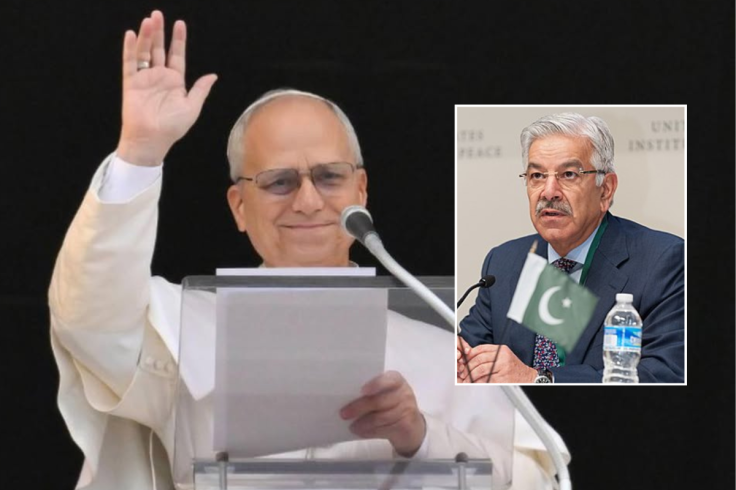
Pope Leo XIV wants Pakistan and Afghanistan to talk. Critics aren't sure the Taliban knows how to listen.
The pontiff issued his first major appeal on the South Asian conflict on 1 March, urging both countries to return to dialogue amid deadly cross-border fighting. His call came as Pakistan declared 'open war' on Afghanistan following weeks of escalating violence.
'In these days, troubling news has also arrived of clashes between Pakistan and Afghanistan,' Pope Leo XIV wrote on X. 'I urgently appeal for a return to dialogue.'
In these days, troubling news has also arrived of clashes between Pakistan and Afghanistan. I urgently appeal for a return to dialogue. Let us #PrayTogether that harmony may prevail in all conflicts throughout the world. Only peace, a gift of God, can heal the wounds between…
— Pope Leo XIV (@Pontifex) March 1, 2026
The statement was largely overshadowed by his simultaneous appeal regarding the US and Israeli strikes on Iran. But for the more than 1.4 billion Catholics worldwide, the Pope's intervention in a region often ignored in global headlines carries weight.
The 'Naive' Criticism
Not everyone thinks dialogue will work.
InfoVaticana, a Catholic news outlet, offered a blunt assessment: the Pope's appeal 'may be perceived as naive if one considers the nature of the current Taliban government, whose real willingness to verifiable commitments is absurd.'
The outlet acknowledged that the Vatican's approach 'maintains the neutral logic and low geopolitical profile of the Holy See in conflicts in recent years.' But it questioned whether that logic applies to a regime that has broken nearly every promise it made during peace talks.
Since seizing power in 2021, the Taliban has reversed pledges to allow girls' education and women's participation in public life. The International Crisis Group reported that diplomats worldwide have 'tried, and failed, to make headway in high-level talks with the Taliban,' placing 'a large share of the blame' on the regime's refusal to budge.
What Sparked the Fighting
The conflict didn't come out of nowhere. Pakistan has accused Afghanistan of harbouring militants from the Tehreek-e-Taliban Pakistan, a group responsible for deadly attacks inside Pakistani territory, including a suicide bombing at a Shiite mosque in Islamabad that killed 36 people.
On 21 February, the Pakistan Air Force struck targets in Nangarhar, Paktika, and Khost provinces. The Taliban said the strikes killed 18 civilians, including 11 children. Pakistan denied targeting civilians.
Five days later, Afghan forces launched retaliatory attacks along the Durand Line. Pakistan responded with Operation Ghazab Lil Haq, hitting Kabul, Kandahar, and Paktia. Defence Minister Khawaja Asif didn't mince words. 'Our patience has reached its limit,' he wrote on X. 'Now it is open war between us and you.'
Pakistan claims its forces destroyed 73 Taliban posts and killed over 400 fighters. The Taliban disputes these figures and says it killed 55 Pakistani soldiers.
Why the Pope's Voice Matters Here
The Vatican doesn't pick sides. That's the point.
Pope Leo XIV framed his appeal in broad terms: 'Only peace, a gift of God, can heal the wounds between peoples.' He made no mention of who started the fighting or who bears responsibility.
This approach has served the Holy See in other conflicts. It keeps diplomatic channels open. It avoids alienating either party.
But critics argue that treating the Taliban as a conventional negotiating partner ignores years of evidence. A Qatar-mediated ceasefire in October 2025 collapsed within weeks. Subsequent peace talks in Turkey went nowhere. The Taliban walked away from both.
For now, bombs keep falling. And the Pope's call for dialogue hangs in the air, waiting for someone to answer.
© Copyright IBTimes 2026. All rights reserved.
- MOST POPULAR IN World