Prince William, Princess Kate Face 'Crying Shame', Will Be Left 'Carrying The Whole Show' After King Charles Reign
Prince William and Kate face the prospect of inheriting a thinner royal front line after King Charles.

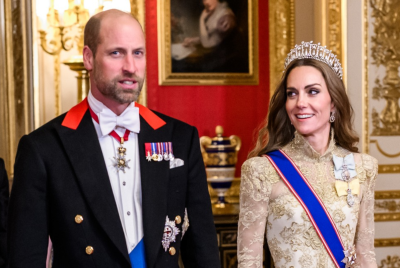
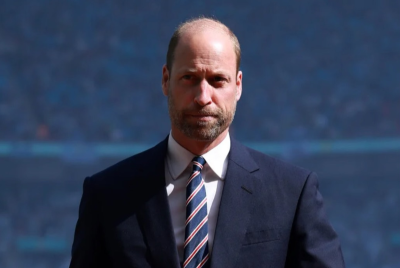
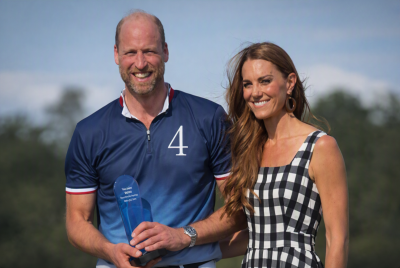
Prince William, Princess Kate and King Charles are at the centre of a fresh warning about the monarchy's future in Britain, after royal historian Robert Hardman said in an interview published by The Telegraph on 19 April that the Prince and Princess of Wales could one day be left shouldering a far slimmer royal operation than the one previous generations inherited.
The concern did not appear out of nowhere. The monarchy has spent recent years dealing with reputational damage linked to Prince Andrew's association with the late paedophile financier Jeffrey Epstein, which Andrew has repeatedly denied involved any wrongdoing. At the same time, the pool of senior working royals has narrowed, leaving less room for the sort of well-upholstered public machine the family once relied on.
Queen Elizabeth II made a major slip-up when it came to handling Andrew Mountbatten-Windsor. According to royal biographer Robert Hardman, the late leader of England had an exceptional 70-year reign, except for turning a blind eye to the former Duke... https://t.co/G1SyhVm1mG
— Wonderwall (@Wonderwall) April 20, 2026
Prince William, Princess Kate and a Thinner Royal Front Line
Hardman's phrasing was striking because it cut through the pageantry and landed on something more prosaic but probably more important. 'I think it's a crying shame that when William takes the throne, he and Catherine are effectively looking at quite a significant spell on their own, carrying the whole show,' he said.

It is not a constitutional crisis. It is, however, a rather stark description of what a modern monarchy may look like when the crowds have gone home, and the diary starts filling up.
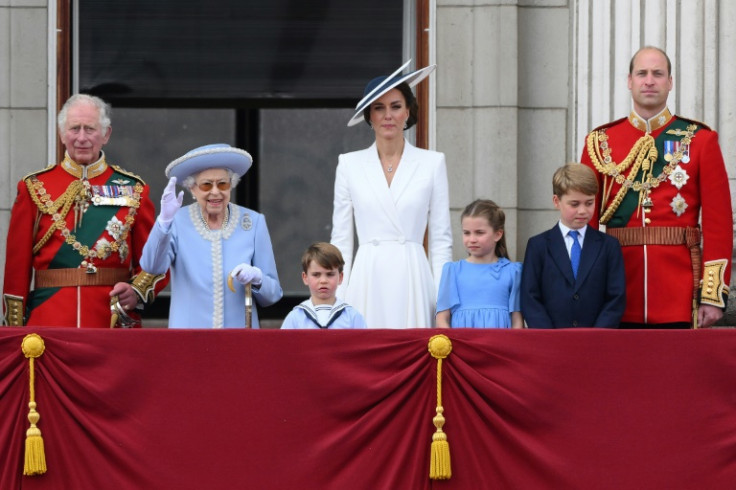
The supporting cast, in this telling, is dutiful but ageing. Hardman pointed to Edward and Sophie, the Duke and Duchess of Edinburgh, and to the Gloucesters as royals who have stepped up, while also noting that they will all be 'of a certain age' by the time William succeeds. He added that the Princess Royal is turning 76 this year, a reminder that some of the monarchy's most reliable workhorses cannot be expected to keep doing so forever.
The time when Andrew allegedly hit a member of Palace staff...
— The Daily T (@DailyTPodcast) April 19, 2026
Tune in to today's Daily T bonus episode where @CamillaTominey is joined by The Telegraph's royal editor Hannah Furness and royal biographer Robert Hardman to discuss all things Royals, including the nature of the… pic.twitter.com/uLgury0m4o
That leaves William and Kate facing an uncomfortable arithmetic. A smaller monarchy may be cleaner, cheaper and easier to defend in theory, but it also means fewer hands to take on the endless round of patronages, visits and ceremonial obligations that keep the institution visible.
Hardman suggested William already understands that reality. 'We're all going to just have to accept things will be different,' he said, adding, 'We can't suddenly summon up extra royals.'
How King Charles Shapes Future of Prince William And Princess Kate
King Charles's coronation on 6 May 2023 was a historic moment for the UK and the Commonwealth, marking the first coronation of a new monarch in more than 70 years. It was also personally notable for Charles, who was 74 on the day and became the oldest monarch in British history to be crowned.
Age has hovered over the reign from the beginning, not in a melodramatic sense, but as a practical fact that palace planners could hardly pretend not to see.
That is where a second strand of the reporting becomes more revealing. Speaking to Harper's Bazaar last year, royal author Tom Quinn said succession planning had begun even before Charles's diagnosis.
'He's the oldest Prince of Wales to become king in history, so succession planning had begun before Charles came to the throne simply because of the age issue,' Quinn said. It is the sort of quote that strips away some of the mystique. Institutions plan. They always do.

Quinn also said William was not necessarily being formally trained for the throne in any theatrical sense, but was instead being readied through the work itself. The palace, he said, was giving him more of the sort of duties Charles would ordinarily carry out.
For William and Kate, then, the prospect is oddly double-edged. They remain the royal family's most recognisable future, yet that future may arrive with less institutional padding than anyone once assumed. The glamour of succession is one thing. The burden of being, in Hardman's words, left 'carrying the whole show' is quite another.
© Copyright IBTimes 2026. All rights reserved.
- Recommended For You