Was Hell Used as Mind Control? The Scathing Critique of Pre-Vatican II Catholic Guilt Teachings
The Catholic debate over hell, guilt and Vatican II reveals a sharper argument about fear, free will and whether older teaching culture crossed into control.
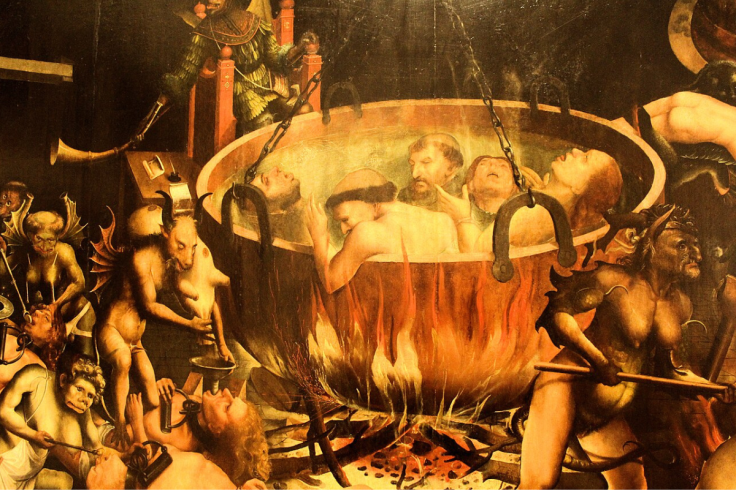
Debate over whether Christian teachings about hell have historically been used to encourage obedience has resurfaced in discussions among theologians, former Catholics and religious commentators, even as the Catholic Church continues to teach that hell is a real consequence of freely rejecting God.
The discussion has been shaped by centuries of Catholic theology and has gained renewed attention among people reflecting on pre-Vatican II religious education.
The Catholic Church's position is rooted in the Catechism of the Catholic Church, which describes hell as the permanent consequence of freely rejecting God's love rather than a fate imposed arbitrarily by divine will. While critics continue to question how that teaching has sometimes been presented, the Church maintains that every person is offered the possibility of salvation.
The news came after renewed scrutiny of how Catholics have been taught to think about sin and judgement. The Catholic Catechism says hell is the 'state of definitive self-exclusion from communion with God,' and insists that God does not predestine anyone to it.
John Paul II described hell as "the ultimate consequence of sin itself" rather than a punishment externally imposed by God.
Hell, Fear and the Catholic Imagination
To recall, the traditional Catholic case for hell has never rested on one verse alone. The Catechism points to New Testament language about Gehenna, unquenchable fire and final judgement, while maintaining that the decisive element is separation from God, not theatrical torment for its own sake. The Catechism emphasises separation from God as the defining characteristic of hell.
Many Catholics who were educated before the Second Vatican Council have described religious instruction that placed greater emphasis on sin, judgement and the possibility of damnation. Children were told that God saw everything, remembered everything, and would one day account for everything.
Critics argue this approach placed a strong emphasis on fear of judgement, while supporters say it reflected traditional Catholic teaching on moral responsibility.
That question is not new, and it is one reason hell remains a subject of continuing debate. For believers, the doctrine speaks to moral accountability, free will and the seriousness of evil.
Critics argue such teachings could have psychological effects when presented without sufficient emphasis on mercy or free will. The Catholic Church's official teaching places significant emphasis on both justice and mercy. However, many former Catholics say their personal experience of religious instruction placed greater emphasis on fear and guilt.
Religious historians also note that Catholic education before Vatican II varied widely between countries, dioceses and even individual parishes. While many Catholics recall an emphasis on confession, mortal sin and eternal punishment, others remember priests, nuns and teachers who stressed God's mercy alongside personal responsibility. That diversity of experience continues to shape how former Catholics describe their upbringing today.
What Does the Catholic Church Teach About Hell?
According to the Catechism, God's desire is for every person to be saved, and no one is condemned without freely rejecting that grace. This understanding places human freedom at the centre of Catholic teaching on salvation. Rather than portraying hell as a punishment arbitrarily imposed by God, the Church teaches that it is the ultimate consequence of a person's definitive refusal of communion with Him.
This distinction has become increasingly prominent in modern Catholic teaching. While biblical descriptions of fire, darkness and judgement remain part of Church doctrine, many contemporary Catholic theologians explain that such imagery points to the profound reality of separation from God rather than encouraging believers to dwell on physical punishment.
Vatican II and the Shift in Tone
It can be recalled that the Second Vatican Council marked a significant shift in pastoral emphasis, even if not a denial of hell itself. The council did not erase judgement or punishment from Church teaching, but it pushed the Church towards grace, encounter and a more pastoral style of teaching.
Many Catholics and theologians describe post-Vatican II teaching as placing greater emphasis on God's mercy and pastoral care.
Documents including Lumen Gentium and Gaudium et Spes reflected that broader pastoral approach by encouraging dialogue with the modern world while reaffirming core Catholic doctrine. Although the Council did not alter the Church's teaching on heaven, hell or salvation, it influenced how those teachings were communicated, with greater attention given to God's mercy and the dignity of the human person.
Some critics argue that earlier styles of religious instruction portrayed God primarily as a judge, whereas contemporary Catholic teaching places greater emphasis on mercy alongside justice. Church teaching itself has consistently maintained both themes.
The Catechism says God's mercy is offered freely, and that hell comes from a person's own refusal of that mercy. Many former Catholics say those earlier approaches continue to shape how they remember their religious education.
The more generous Catholic reading, found in Ignatian spirituality and later papal teaching, is that hell is not a divine trap at all but the end point of human refusal. In that view, the frightening imagery is intended to awaken conscience rather than compel obedience through fear.
Catholic theology has long reflected a range of perspectives on how the doctrine should be understood and presented. St Augustine and St Thomas Aquinas both affirmed the reality of hell while emphasising divine justice.
More recently, theologians such as Hans Urs von Balthasar explored whether Christians might reasonably hope that all people ultimately accept God's grace, even while recognising that the Church has never taught universal salvation.
Pope Benedict XVI and Pope Francis have likewise emphasised God's mercy without denying the Church's teaching on eternal separation from Him.
Why the Argument Still Matters
The debate continues because it raises questions about religious education, moral responsibility and how doctrines are communicated to believers.
The discussion continues among theologians, former believers and religious commentators, reflecting broader debates about faith, authority and religious education.
Catholic teaching seeks to balance warnings about judgement with an emphasis on God's desire for salvation and mercy. It teaches the reality of hell, but also insists that God wants salvation, not destruction.
Former Catholics who criticise earlier approaches often distinguish between the doctrine itself and the way they believe it was taught. Some describe experiences of scrupulosity, fear or persistent guilt that they associate with an emphasis on punishment rather than grace.
Defenders of traditional catechesis argue that warnings about hell were intended to communicate the seriousness of sin and the importance of moral responsibility rather than to manipulate believers.
The debate is therefore unlikely to disappear. The Catholic Church continues to affirm the existence of hell while presenting it primarily as the consequence of freely rejecting God rather than an act of divine vengeance.
Critics, meanwhile, continue to question whether some historical approaches placed too much emphasis on fear at the expense of mercy. The discussion today is not only about what Catholics believe regarding hell, but also about how those beliefs should be communicated to future generations.
© Copyright IBTimes 2026. All rights reserved.
- Recommended For You