Total Solar Eclipse in Spain Sparks Viral Debate: Would Ancient Humans Have Feared the Dark?
The eclipse prompted fresh questions about how ancient people saw the sky
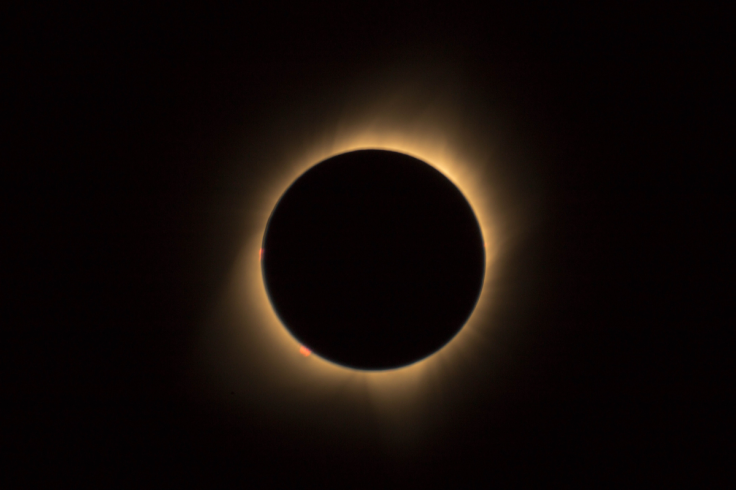
Spain's total solar eclipse on 12 August plunged parts of the country into darkness, prompting cheers and emotional reactions from spectators while sparking a TikTok debate over how ancient people might have responded to the same spectacle.
The eclipse crossed northern Spain as the Moon passed directly in front of the Sun. Up to six million visitors were expected at viewing sites across the country, with totality occurring close to sunset in some locations.
Spain Eclipse Turns Daylight Into Darkness
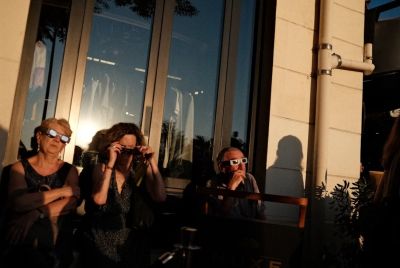
In Spain, the event was particularly dramatic because totality occurred in the evening, when the Sun was already close to the horizon. In Buitrago de Lozoya, spectators clapped as darkness arrived at around 8:30pm, with totality lasting less than a minute at that location.
@weatherchannel Incredible footage from Castrojeriz, Burgos, Spain as the total solar eclipse reaches totality.
♬ original sound - The Weather Channel
Modern Spectators Reacted Despite Knowing Why
Reports from Spain described crowds cheering and reacting emotionally as totality arrived, with some spectators crying as daylight disappeared.
That reaction helped fuel the question circulating online: if people today can be overwhelmed by an eclipse despite understanding the science behind it, how might societies without modern astronomy have interpreted the sudden disappearance of the Sun?
TikTok Users Debate Ancient Eclipse Fear
One commenter joked, 'modern humans cheering... ancient humans would have been running and crying and probably looking for someone to sacrifice... lol.' The comment had more than 20,000 likes when the discussion was captured.
Another user wrote, 'That's why science is so important,' while another contrasted scientific and religious explanations, writing, 'Religion makes us reasons why this happens. Science explains why this happens and can predict it. It's not the same.'
A separate commenter pointed to the predictability of the eclipse, noting that it had 'been predicted for years due to science' and that people travelled to locations where it would be visible.
Ancient Eclipses Could Be Seen as Omens
There was no single ancient reaction to a solar eclipse. Some societies associated the sudden disappearance of the Sun with fear, omens or supernatural forces, while others developed sophisticated ways of observing celestial events.
Ancient accounts sometimes described eclipses as frightening or ominous. Ancient Greek poet Archilochus wrote about a solar eclipse in 647 BCE, describing the disappearance of the Sun as an event that could provoke fear.
Some ancient Chinese traditions also associated a solar eclipse with a creature consuming the Sun, with people making noise in an attempt to drive it away.
But those examples do not mean ancient populations universally panicked. Beliefs and responses varied across societies and periods.
Ancient Astronomers Also Studied the Skies
Fear was not the only response. The Maya, for example, made extensive astronomical observations, including records relating to solar eclipses.
The historical evidence therefore does not support the idea that ancient humans would automatically have panicked when the Sun disappeared. Some cultures may have interpreted an eclipse as an ominous or supernatural event, while others sought to understand and predict celestial patterns.
The 2026 Spain eclipse showed that even modern spectators, despite knowing what was happening, could still respond with awe as daylight disappeared. The answer to the viral question is therefore more complicated than the TikTok joke suggests: some ancient people may have feared an eclipse, but ancient societies did not share one universal reaction to the darkened Sun.
© Copyright IBTimes 2026. All rights reserved.
- Recommended For You