Perseids Meteor Shower Map 2026: Best Viewing Locations, Peak Times and Sky Guide
Discover the best viewing tips and locations for the 2026 Perseids
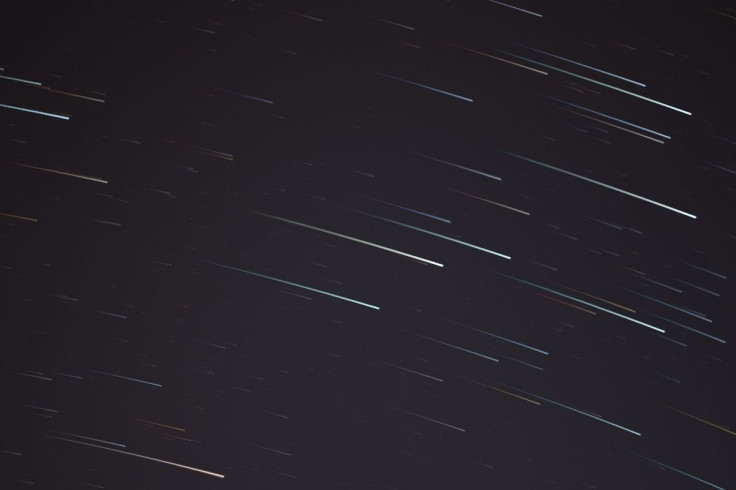
The Perseids meteor shower is set to reach its peak on the night of 12 August into the early hours of 13 August, offering skywatchers one of the best opportunities of the year to witness dozens of shooting stars streaking across the night sky.
Astronomers say conditions for the 2026 display are exceptionally favourable because the meteor shower coincides with a New Moon, eliminating moonlight that often washes out fainter meteors. Under dark-sky conditions, observers could see between 50 and 100 meteors per hour, with some locations potentially experiencing even higher rates during peak activity.
The Perseids are widely regarded as one of the most reliable and spectacular annual meteor showers. They occur each year as Earth passes through a trail of debris left behind by Comet 109P/Swift-Tuttle. When these tiny particles enter Earth's atmosphere at high speeds, they burn up and create the bright streaks of light commonly known as shooting stars.
Where the Perseids Will Be Most Visible
The meteor shower is best viewed across the Northern Hemisphere, making it visible throughout the UK, Europe, North America and much of Asia. The radiant point, where the meteors appear to originate, is located in the constellation Perseus in the north-eastern sky, giving the shower its name.
According to skywatching maps, the best viewing locations are rural areas with minimal light pollution. National parks, countryside locations and designated dark-sky reserves are expected to offer the clearest views. Major cities may still see brighter meteors, but urban lighting can significantly reduce the number visible to the naked eye.
In the UK, astronomers recommend heading to coastal areas, national parks or elevated locations away from artificial lighting. Scotland's Highlands, Northumberland, Snowdonia and parts of rural Wales are among the locations expected to provide some of the best viewing conditions.
Most people in Europe were aware of the eclipse last night but how many stayed up until 2am to watch the Perseid meteor shower?
— Miss Jo (@therealmissjo) August 13, 2026
This happens every year in August but rarely are conditions so perfect (a new moon and cloudless sky).
1/2 pic.twitter.com/qQClgNF6vg
Best Time To Watch the Peak
Experts say the most active period will occur after midnight and continue until dawn on 13 August. While meteors may be visible earlier in the evening, activity generally increases significantly during the pre-dawn hours as Earth's rotation places observers on the leading side of the planet's movement through the debris stream.
The Perseids have been active since mid-July and will remain visible until 24 August, but the peak night traditionally produces the highest meteor rates. This year's New Moon conditions make the 2026 display particularly anticipated among astronomers and amateur stargazers alike.
How To Get the Best View
Unlike many astronomical events, the Perseids require no telescopes or special equipment. In fact, experts advise using the naked eye because meteors can appear anywhere across the sky and often move too quickly for telescopes to track effectively.
Observers are encouraged to allow at least 20 minutes for their eyes to adjust to the darkness and to avoid looking at phones or bright lights. Clear weather and unobstructed horizons can also improve visibility.
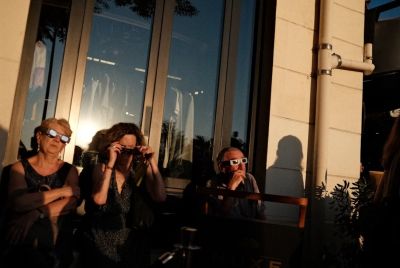
The 2026 Perseids are also arriving just hours after Europe's first total solar eclipse since 1999, creating a rare combination of major astronomical events within a single day. With dark skies, favourable weather forecasts in many regions, and ideal lunar conditions, astronomers say this year's Perseids could be one of the most memorable meteor displays of the decade.
© Copyright IBTimes 2026. All rights reserved.
- Recommended For You