

5 Photos of Karen Deann Hollis, the Alabama Woman Whose Family Found Her Body Eight Days After She Vanished
Family and friends find Karen Deann Hollis' body after an eight-day search, raising concerns about vulnerable missing persons
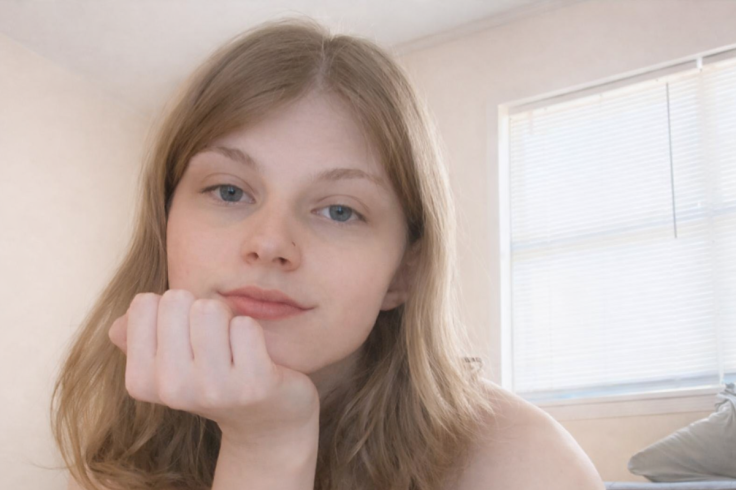
Karen Deann Hollis was 23 years old when she walked out of her home in Northport, Alabama just before midnight on 8 May 2026, telling her boyfriend she was stepping out to get a Reese's peanut butter cup. She never returned. Eight days later, it was not law enforcement who found her — it was her own family and friends who discovered her body in Greene County
Her disappearance had triggered an urgent missing and endangered person's alert from the Alabama Law Enforcement Agency, which noted she had a medical condition that could affect her judgement. Northport, where she was last spotted, sits roughly 60 miles from Birmingham. What followed was more than a week of desperate searching, public appeals, and mounting dread — before the worst was confirmed.
The Last Message She Sent
The final known contact Hollis had with anyone was a text message sent to her boyfriend, Zackary Slaughter, just before she vanished. Slaughter recalled their last exchange: 'She texted me at 11pm saying she didn't feel good. I tried calling her at 4 that morning when I woke up, and then at 5am detectives were knocking on my door.'
Slaughter said that when officers arrived at his door that morning, they looked at him as a possible suspect. He also acknowledged a complicated history between them — a bail bondsman had previously told him to stay away from Hollis due to an old domestic violence charge. Slaughter said they had reconciled and were on good terms again before she disappeared.
His anguish over not reaching her in time was clear. 'I was one phone call away and she never got the opportunity, and I wasn't there,' he said.
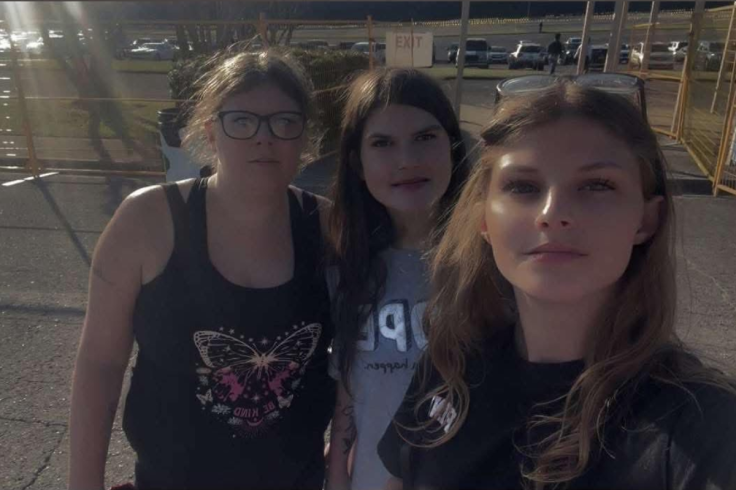

Eight Days of Searching
In the days that followed Hollis' disappearance, her family, friends, and community mounted a search effort that stretched over more than a week. The Alabama Law Enforcement Agency had issued an alert early on, flagging her vulnerability due to her medical condition. Despite the official involvement, it was ultimately those closest to her who located her remains in Greene County on 16 May, eight days after she was last seen.
The discovery was a devastating end to a search that had kept her loved ones in a state of prolonged uncertainty. For families in similar situations across the United States, conducting their own searches is not uncommon, particularly in rural or under-resourced areas where law enforcement capacity can be stretched thin.
A Man Has Been Charged
Following multiple search warrants and the collection of physical, witness, and electronic evidence, investigators detained a person of interest shortly after Hollis was found. Randall Lendell Dejourney, 44, was charged with abuse of a corpse and is currently being held in county jail on a $15,000 (£11,109) cash bond.
An autopsy is underway, and authorities have confirmed that additional charges could follow. No further details about Dejourney have been publicly released at this time. He has not been charged in connection with Hollis' death.
Her Sister's Words
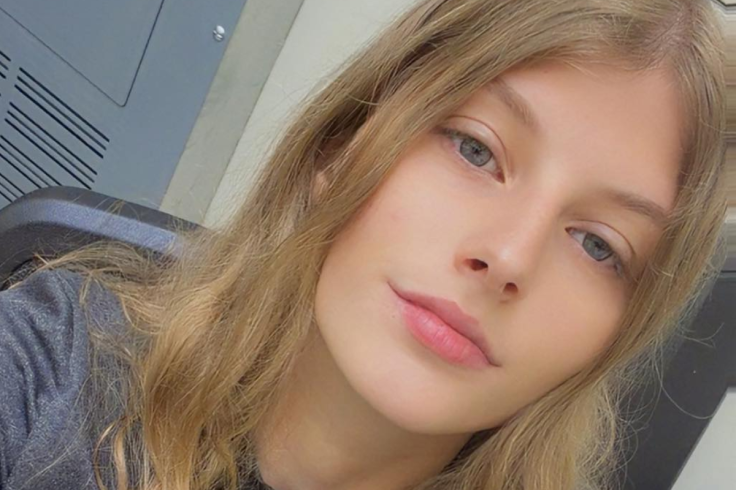
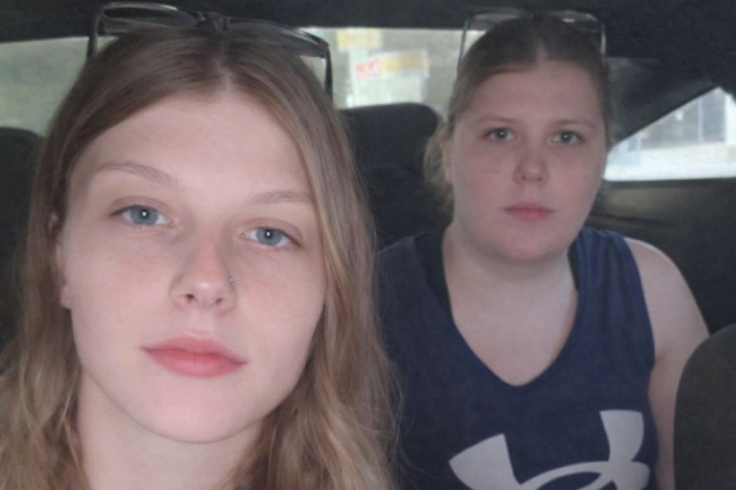
Hollis' sister, Brandy, has been publicly sharing her grief on Facebook in the days since the discovery. 'Oh I miss you. My heart is hurting. We was planning on hanging out again an going fishing,' she wrote in one post. In another, she said, 'I want her back so bad. A piece of me left with her.'
Brandy also referenced a brother, writing, 'Please tell our brother that I miss him n love him. You #forever23 just like him,' suggesting the family has already endured significant loss before Karen's death.
The death of Karen Deann Hollis highlights urgent concerns around the protection of vulnerable missing persons in the United States, particularly those with medical conditions that may affect their behaviour and safety. Her case also raises difficult questions about the burden placed on grieving families who, in the absence of a swift resolution, find themselves leading the search themselves. Advocacy groups have long called for faster, better-coordinated responses when vulnerable adults go missing, and cases like Hollis' continue to bring that conversation to the forefront.
© Copyright IBTimes 2026. All rights reserved.