

Trump Ally Viktor Orbán Ousted After 16 Years as Hungary's PM in Political Earthquake Win for Péter Magyar
Orbán's fall deals a blow to nationalist allies including Donald Trump as Hungary pivots toward a new political direction
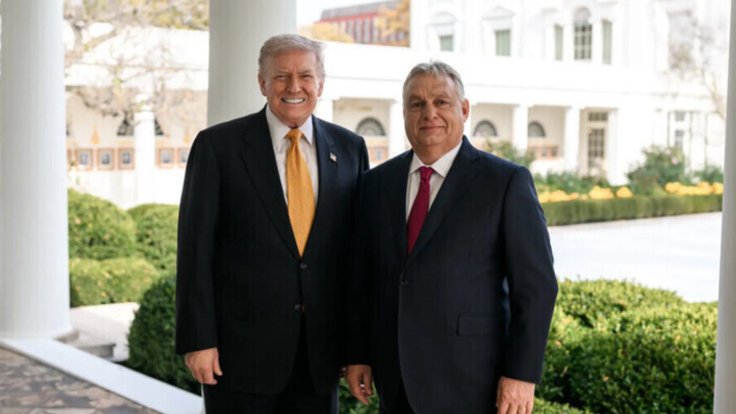
The collapse of Viktor Orbán's 16-year grip on Hungary's government marks a domestic political upheaval and a symbolic setback for his long-time ally Donald Trump.
Orbán's defeat at the hands of opposition challenger Péter Magyar signals a dramatic reversal for one of Europe's most entrenched nationalist leaders, as economic dissatisfaction and mounting political pressure proved decisive.
A Dominant Era Ends in Defeat
Orbán, in power since 2010, built a centralised political system that reshaped Hungary's institutions and drew sustained criticism from European bodies. His governance model, often described as 'illiberal democracy', became a reference point for like-minded leaders internationally.
In a concession speech on 12 April 2026, Orbán said, 'We have fought a good fight, but today the Hungarian people have made a different choice.' The statement was carried by Hungary's official government channels.
Official results published by the Hungarian National Election Office confirmed that Magyar's bloc had secured a governing majority.
Orbán's international alliances were a defining feature of his tenure. Among them was his relationship with Trump, whom he endorsed during previous US election cycles and hosted in diplomatic engagements.
🚨STUNNING: Viktor Orbán just CONCEDED in Hungary after 16 years in power.
— CALL TO ACTIVISM (@CalltoActivism) April 12, 2026
Voters showed up in massive numbers and ended one of the most entrenched regimes in Europe.
America’s turn next. https://t.co/0tCKFA1amT pic.twitter.com/QNIvNuZnVk
Trump–Orbán Alliance Under Scrutiny
The political relationship between Orbán and Trump has been well documented through official statements and public appearances. During Trump's presidency, the White House released summaries of meetings in which the two leaders emphasised shared views on immigration, sovereignty, and national identity.
Orbán later publicly endorsed Trump's 2024 presidential campaign, calling him 'the man who can bring peace' in remarks reported through Hungarian government channels. Just days before the Hungarian election, US Vice President JD Vance travelled to Budapest to campaign alongside Orbán, urging voters to 'stand with Viktor Orbán, because he stands for you.'
Trump, in turn, praised Orbán at political events and rallies, describing him as a 'strong leader' who had 'done a great job for Hungary'. Transcripts of such remarks have been published in official campaign communications and rally records.
Péter Magyar's Unlikely Rise
Magyar's emergence as a political force represents a sharp break from Hungary's recent past. A former insider, he repositioned himself as a reformist challenger, campaigning on anti-corruption and institutional renewal.
His official campaign platform, published online, outlines commitments to judicial independence, media pluralism, and closer cooperation with the European Union.
Magyar's messaging resonated with voters facing economic strain. Hungary experienced prolonged inflationary pressures, with official data showing significant increases in consumer prices in recent years.
In his victory speech, Magyar said, 'This is a victory for fairness and for the rule of law,' according to a transcript released by his campaign.
— Magyar Péter (Ne féljetek) (@magyarpeterMP) April 12, 2026
Economic Pressures and European Repercussions
Economic discontent proved decisive in the election. Rising living costs and concerns over governance weakened support for Orbán's administration, despite its long-standing political dominance.
International institutions, including the International Monetary Fund, had flagged Hungary's economic vulnerabilities, citing inflation and structural challenges.
At the same time, tensions with the European Union intensified. The European Commission withheld funding over rule-of-law concerns, placing additional strain on Hungary's public finances. Magyar has pledged to meet EU conditions in order to unlock frozen funds.
Orbán has not issued a statement beyond his concession speech. Magyar's transition team has not confirmed a timeline for taking office. The European Commission has not yet issued a formal response to the election result.
© Copyright IBTimes 2026. All rights reserved.