Rare Ebola Strain Border Panic Triggers Swift US Travel Bans Following Controversial Health Funding Cuts
US and other nations enforce travel bans as Ebola outbreak escalates in Africa
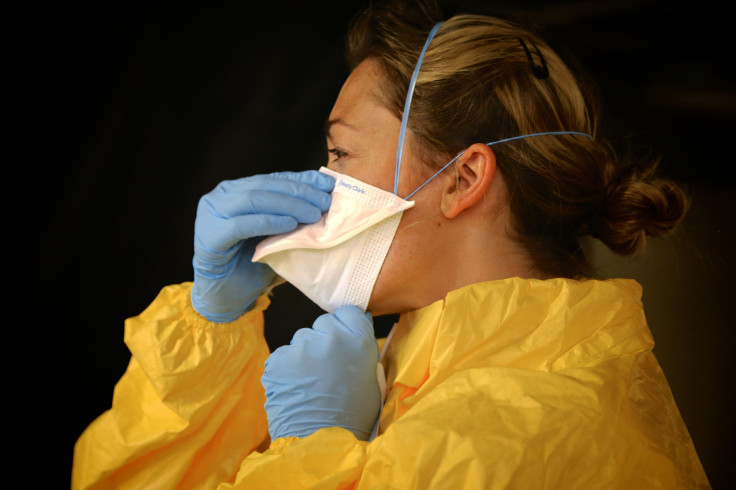
With the World Health Organisation declaring an Ebola outbreak in Africa a 'public health emergency of international concern,' the United States, along with other countries, has been prompted to impose strict travel measures.
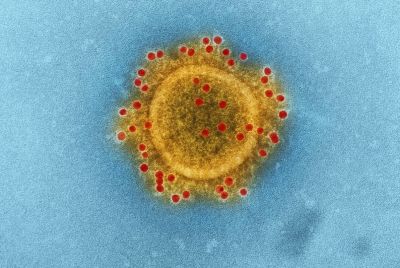
The outbreak involves the rare Bundibugyo strain, one out of four types of viruses that transmit Ebola to people, and a variant of the disease that currently has no approved vaccine or targeted treatment according to the World Health Organisation (WHO). per Reuters.
The WHO recently classified the outbreak in the Democratic Republic of Congo (DRC) and Uganda as a public health emergency of international concern after suspected infections and deaths climbed sharply in affected regions.
Health agencies say the strain spreads through direct contact with bodily fluids and blood, and can trigger severe symptoms including fever, vomiting, bleeding complications, and organ failure.
US Expands Emergency Travel Restrictions
In response to the public health emergency, the United States introduced enhanced airport screenings and temporary travel restrictions targeting travellers from the DRC, Uganda, and South Sudan. The CDC confirmed that the emergency measures began in May 2026 to reduce the likelihood of Ebola entering the country.
The CDC's Order Suspending the Right to Introduce Certain Persons from Countries Where a Quarantinable Communicable Disease Exists states that travellers coming from 'DRC, Uganda, or South Sudan during the last 21 days' will not be allowed 'into the United States for a period of thirty days, subject to the outcome of an ongoing comprehensive public health risk assessment.'
The order, according to the CDC, is 'intended to address the serious risk of introduction of Ebola disease into the United States, while allowing the US Government the time necessary to conduct a full assessment of the unique public health risks posed by Ebola disease, assist with implementing surveillance, diagnostic capabilities and contact tracing, and develop a comprehensive mitigation and containment strategy in consultation with other stakeholders.'
The restrictions initially focused on non-citizens but were later expanded to include lawful permanent residents, commonly known as green card holders, who had recently travelled though the affected countries.
The extension was reportedly considered essential to prevent the virus from spreading into the country. Reuters reported that the move marked an unusual expansion of US public health authority during an outbreak response.
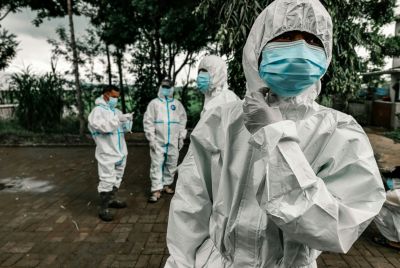
American officials have defended the restrictions as necessary precautions while the outbreak continues to grow. According to CDC guidance, travellers who are still allowed entry into the US must undergo enhanced health screening and monitor themselves for symptoms for 21 days after leaving affected regions.
Rare Strain Raises International Concern
The Bundibugyo strain presents unique challenges because medical countermeasures remain limited, according to health experts. WHO officials warned that the outbreak could spread quickly due to ongoing conflict, population displacement, and limited healthcare infrastructure in eastern Congo, per Reuters.
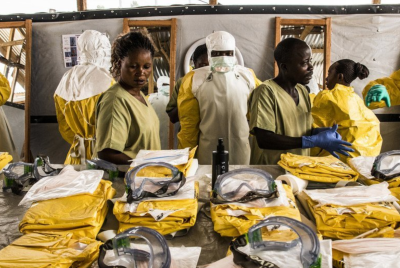
According to reports, the outbreak has already become one of the largest Ebola emergencies recorded in recent years. Aid organisations have also faced logistical setbacks, including attacks on health workers and disrupted transport routes that slowed the delivery of medical supplies.
Countries beyond the United States have also tightened border policies. Canada, the Bahamas, Bahrain, India, Kenya, and Thailand are among the nations that increased screening or imposed temporary entry restrictions in response to the outbreak.
Funding Cuts Spark Debate
The growing health emergency has reignited criticism over recent reductions to US global health programs. Cuts affecting agencies such as USAID and portions of the CDC weakened international disease surveillance and outbreak preparedness before the crisis escalated.
According to PolitiFact, researchers expressed concern about how reductions in foreign aid and disease response funding could affect containment efforts in vulnerable regions. Some organisations operating in Congo also stated that they had been forced to scale back health monitoring operations because of budget reductions.
US officials continue emphasising border protections and emergency preparedness as containment efforts intensify overseas.
© Copyright IBTimes 2026. All rights reserved.
- Recommended For You