Military Spouse Commission Set up To Fix Housing, Childcare and Deployment Woes for Military Spouses
New White House commission targets housing, employment and childcare for military spouses

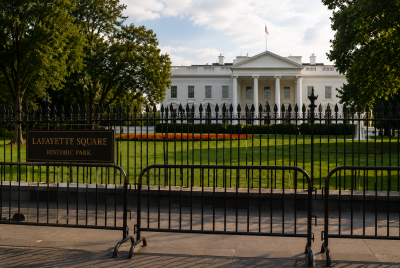
President Donald Trump has signed an executive order creating a White House commission built specifically to address the practical problems military spouses say they face every day, from housing shortages to gaps in childcare. The move turns years of individual complaints from military families into a formal channel for policy recommendations.
The Presidential Military Spouse Commission was established on August 3, 2026. It is tasked with examining housing, employment, healthcare, education, childcare and deployment-related support, according to a fact sheet published by the White House.
What the Commission Will Actually Do
According to the White House fact sheet, the commission must engage directly with military spouses, identify the challenges affecting their families, and turn those findings into policy recommendations for the president. The fact sheet names frequent relocations, lengthy deployments and 'the unique demands of military life' as the root causes of the barriers spouses face.
Jennifer Hegseth, wife of War Secretary Pete Hegseth, will chair the commission. In a video shared on the White House's Instagram account following the signing, she described what she has heard from military families while touring bases.
'It's housing, it's healthcare, it's employment, it's childcare, it's education,' Hegseth said. 'And so we're gonna take a look at all of those things.'
Jennifer Hegseth, Chairwoman of the first-ever Military Spouse Commission: “Thank you, Mr. President, for putting military families first.
— The White House (@WhiteHouse) August 4, 2026
To all the military spouses and families, I want you to know you have an incredible group of women working on this.” ❤️🇺🇸 pic.twitter.com/KuvPMDHGHF
Readiness, Not Welfare, Trump's Framing
Trump framed the commission as a readiness issue rather than simply a welfare measure. 'America cannot have the strongest military in the world without the love and devotion of our remarkable military spouses, who make the extraordinary sacrifices for our country,' he said during the signing.
The fact sheet echoes that framing directly, stating that strong military families help build a more resilient fighting force and a safer, more secure America. The commission's recommendations will feed back into retention policy, not just quality-of-life improvements.
Hegseth, 20 Spouses and an Executive Director
Beyond Hegseth, the commission includes the spouse of the Secretary of Homeland Security and twenty other military spouses drawn from the Service Secretaries, the Joint Chiefs of Staff and each service's senior enlisted leader, per the executive order. An executive director will be appointed separately by the president.
The order requires the commission to deliver annual recommendations, giving it a recurring deadline rather than a one-off report.
From License Portability to a Standing Commission
The administration points to prior steps as context for the new commission. During Trump's first term, occupational license portability for military spouses was expanded, alongside wider access to federal and remote employment. In 2018, Trump signed the Veterans and Transition Act, allowing spouses to keep the same state of residency as their service member.
Those measures targeted single issues. The commission is designed to consolidate housing, healthcare, employment, education and childcare into one ongoing review process instead.
The commission's real test will be whether its annual recommendations translate into policy changes that spouses can actually feel, such as faster license transfers between states or shorter childcare waiting lists on base. Advisory bodies of this kind carry no independent authority to make law, so their influence depends entirely on whether the White House and Congress act on what the panel proposes. For the hundreds of thousands of military families who relocate every year, the coming annual reports will show whether this becomes a genuine political pipeline or another symbolic gesture.
© Copyright IBTimes 2026. All rights reserved.
- Recommended For You