Trump Dismisses Xi Jinping Proposal On Iran Conflict Resolution Amid Global Concern
Trump said US did not require additional assistance in managing the crisis, effectively dismissing Beijing's offer to play a larger diplomatic role

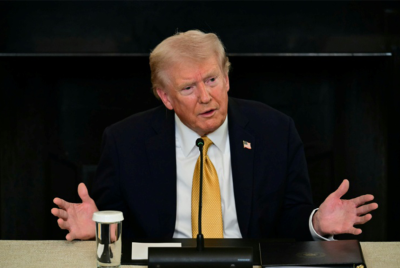
US President Donald Trump rejected an offer from Chinese President Xi Jinping to help mediate the ongoing Iran conflict, adding new uncertainty to already-strained international negotiations over the Middle East crisis.
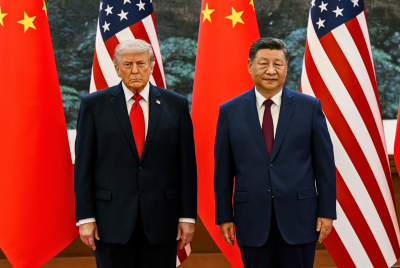
The issue emerged following Trump's recent visit to Beijing, where discussions with Xi reportedly included Iran's nuclear ambitions, regional tensions and the future of the Strait of Hormuz, a crucial route for global oil shipments.
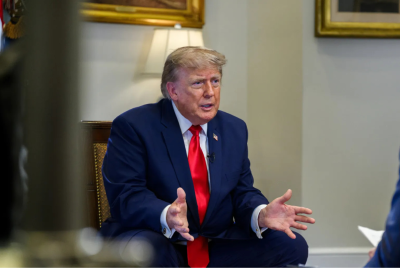
During interviews after the summit, Trump confirmed that Xi had offered assistance in helping resolve the conflict, per Fox News.
Xi Offered Assistance During Beijing Talks
According to reports following the summit, Xi told Trump he would be willing to help reduce tensions involving Iran and support efforts to reopen the Strait of Hormuz, which has faced repeated disruptions during the conflict.
Trump said the Chinese leader also pledged not to provide military equipment to Tehran, a statement viewed as significant given Beijing's economic relationship with Iran.
Despite welcoming some of Xi's comments, Trump publicly downplayed the need for outside intervention. Speaking after the meeting, he suggested the United States did not require additional assistance in managing the crisis, effectively dismissing Beijing's offer to play a larger diplomatic role.
Iran Conflict Continues to Pressure Global Markets
The rejection comes as the conflict continues to affect global financial markets and energy prices. Concerns over instability in the Strait of Hormuz have pushed oil prices higher in recent weeks, with investors closely monitoring developments between Washington, Tehran, and Beijing, according to AP News.
The Strait of Hormuz remains one of the world's most strategically important shipping routes, carrying a substantial share of global oil exports. Any prolonged disruption risks impacting international fuel prices and trade flows.
Analysts have also noted that China has attempted to position itself as a stabilising diplomatic force during the crisis, while avoiding direct confrontation with either the United States or Iran.
Program director Stimson Centre's China Program, Yun Sun, said, 'China's primary goal is to aim for stability of the relationship: 'Please don't bother us. Please don't harass us. ... And let's find some rules of engagement that will allow us to proceed in relative peace and relative stability,' per the Washington Post.
Summit Produced Few Concrete Breakthroughs
While Trump and Xi publicly projected cooperation during the Beijing summit, reports suggest the meeting produced limited tangible progress on several key issues, including Iran, trade disputes, and Taiwan.
Chinese officials framed the summit as an effort to preserve strategic stability between the world's two largest economies. However, US and Chinese accounts of the discussions appeared to differ on several points, highlighting continuing tensions beneath the diplomatic optics, according to Al Jazeera.
Some observers viewed Xi's offer regarding Iran as part of a wider effort by Beijing to expand its influence in global conflict resolution, particularly in regions where Washington has traditionally played the dominant role.
Trump Maintains Pressure on Tehran
Trump has continued taking a hardline stance toward Iran during the conflict. In recent remarks, he warned that 'the clock is ticking' for Tehran to agree to a deal, while maintaining pressure over Iran's nuclear programme and military activity in the region.
At the same time, negotiations between Washington and Tehran remain stalled. Reports indicate disagreements persist over Uranium enrichment, sanctions relief and security guarantees tied to any future agreement.
© Copyright IBTimes 2026. All rights reserved.
- Recommended For You