Trump's War on Birthright Citizenship Could Succeed Without SCOTUS as Congress Moves to Ban 'Anchor Babies'
At the heart of Donald Trump's war over birthright citizenship is a blunt question that the courts and Congress are now being forced to answer: who, exactly, gets to call America home from the moment they are born.
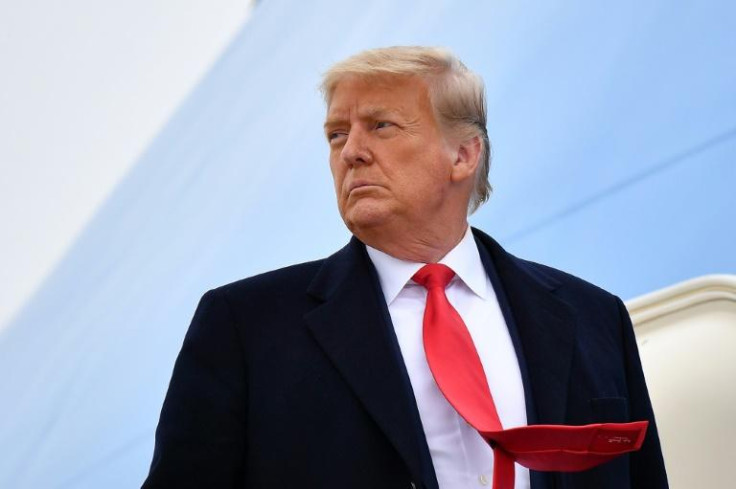
Donald Trump's attempt to restrict birthright citizenship faces a decisive moment in Washington on Tuesday, when the US Supreme Court is expected to rule in Trump v. Barbara on his 2025 executive order limiting automatic citizenship for children of illegal immigrants and temporary visa holders. Yet even if the justices strike Trump's order down, Republicans in Congress are already advancing bills that could quietly achieve much the same result without the court's blessing.
Trump's order set out to reinterpret the 14th Amendment's guarantee of citizenship to those born in the United States and 'subject to the jurisdiction thereof,' a phrase that has long been read as encompassing almost everyone born on US soil. His allies argue that the clause should never have covered the children of those in the country unlawfully, or of visitors on short-term visas.
Critics counter that the move rides roughshod over more than a century of legal understanding and would create a new class of people born in America but denied a country. Nothing is confirmed until the Supreme Court issues its ruling, so all political manoeuvring around the order still rests on unresolved legal ground and should be taken with a grain of salt.
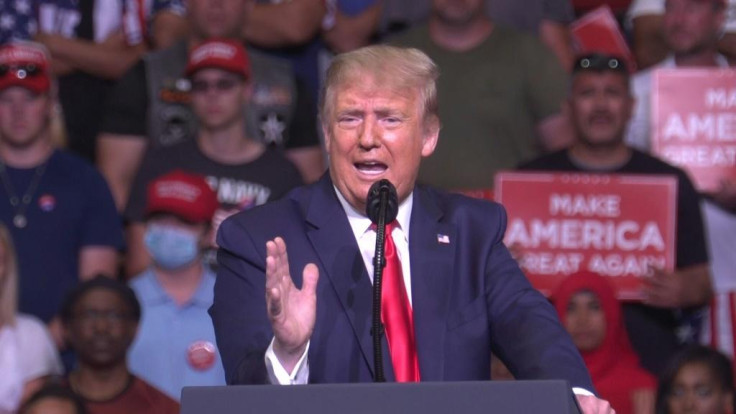
Congress Picks Up Where Donald Trump Began On Birthright Citizenship
Behind the noise of the courtroom battle, several Republican lawmakers have been building a legislative back-up plan that would make Trump's vision harder to dismantle in future. Their strategy does not touch the Constitution directly. Instead it attempts to rewrite the Immigration and Nationality Act so that, in statutory terms, birthright citizenship is no longer automatic.
The flagship proposal is the Birthright Citizenship Act, reintroduced by Texas congressman Brian Babin and South Carolina senator Lindsey Graham the day after Trump's 2025 inauguration, after similar efforts in earlier Congresses. The bill would restrict citizenship at birth to children with at least one parent who is a US citizen, a US national, a lawful permanent resident living in the country, or a lawful permanent resident serving in the military.
Its authors insist this is not about shutting the door in the face of the poor, but about shoring up what they see as a fraying definition of belonging. 'American citizenship is a priceless privilege that must be protected, not exploited. We must restore integrity to our immigration system, uphold the rule of law, and protect the value of American citizenship for generations to come,' Babin said..
In practice, his bill would take direct aim at what conservatives have labelled 'anchor babies' children born in the US to parents who entered illegally or overstayed their visas. The phrase itself is deliberately provocative, reducing complex family lives to a single immigration tactic, but it captures a central Republican concern. Once a child has US citizenship, future deportation efforts are politically and practically messier, and, further down the line, that child can petition for relatives to come legally.
The scale of the phenomenon is disputed, yet the numbers involved are not trivial. The Centre for Immigration Studies, which favours lower immigration, estimates that in 2023 there were between 225,000 and 250,000 births to illegal immigrants, close to 7 per cent of all US births.
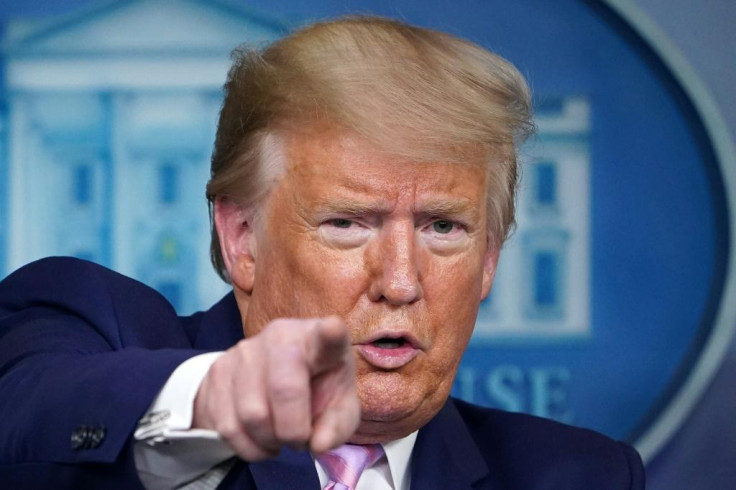
It says most involved parents from Mexico and Central America, who together account for around 68 per cent of the unauthorised population. Millions of US-born children of unauthorised Latin American immigrants are now thought to be living in the country, though precise figures are elusive.
It is worth noting one detail often lost in political speeches. Under changes made to US immigration law in 1976, these citizen children cannot sponsor their parents for legal status until they turn 21. The idea of an instant legal shield for parents is, legally speaking, inaccurate.
But opponents of birthright citizenship argue the long-term effect is the same: mixed-status households embedded in American society, with education, healthcare and welfare costs falling on the public purse and enforcement agencies treating families with citizen children more cautiously.
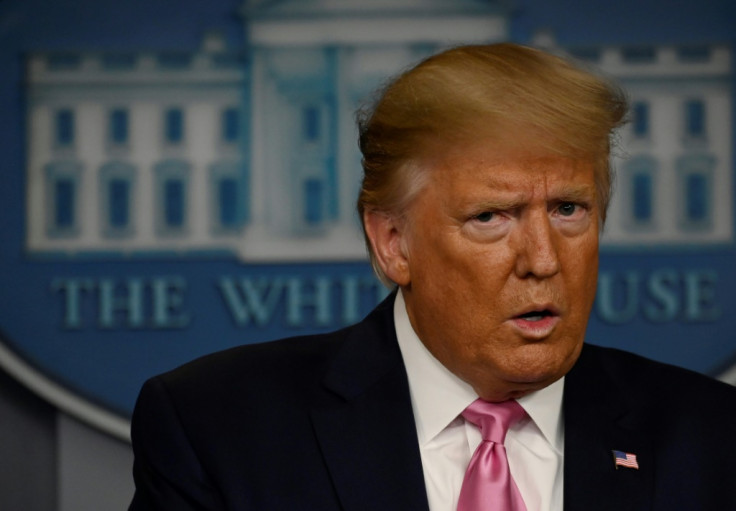
Donald Trump, Birth Tourism And A Growing Industry Around US Passports
There is a second, more niche target in Trump's campaign against birthright citizenship: so-called birth tourism, where pregnant foreign nationals travel to the US on temporary visas specifically to give birth so their children acquire US passports.
Trump moved against this early in his second term, long before the current Supreme Court fight. Investigative journalist Peter Schweizer laid out the broader picture in his 2026 book The Invisible Coup: How American Elites and Foreign Powers Use Immigration as a Weapon, arguing that China has turned birth tourism into an organised industry. Citing Chinese officials, he reports that around 50,000 Chinese nationals a year give birth in the US or territories such as Saipan, while other scholars cited by Marketplace's China put the figure closer to 100,000 annually.
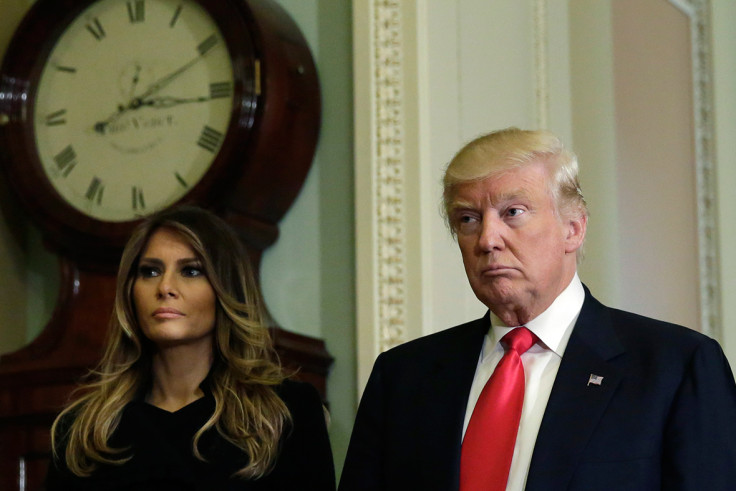
Schweizer says more than 1,000 Chinese firms now sell US birth packages, sometimes costing up to $100,000. These packages, according to his reporting, bundle visa coaching with medical bookings, accommodation and even advice on how to hide pregnancies or claim financial hardship to reduce hospital bills. None of those details has been tested in court and, again, there is no comprehensive government data on how often this happens, so the claims should be treated with caution.
China is far from alone. Russia has its own niche in the market, including companies based in Florida. One of them, Miami Mama LLC, was raided by the FBI in 2017, according to NBC's South Florida affiliate. The company, which has operated since 2009, offers packages from just under $20,000 to more than $53,000, bundling medical procedures and related support. NBC noted that its owner was never convicted over the business.
Serious gaps remain in the official numbers. The Centre for Immigration Studies estimates that overall US birth tourism accounts for between 20,000 and 36,000 births each year, a tiny proportion of the national total, but Washington does not systematically record parents' nationality or intent on birth certificates. The Centres for Disease Control and Prevention, using one of the few available proxies, logged about 9,600 births in 2024 to mothers who gave an address outside the US and its territories.
Lawmakers close to Trump are now pursuing a parallel track to close off that route as well. Senator Marsha Blackburn's Ban Birth Tourism Act, introduced in 2025, would make visitors who intend to give birth in the US inadmissible on standard B visas. Senator John Cornyn's BACK OFF Act, tabled in 2026, aims further up the chain with new criminal penalties for those who organise birth tourism schemes and a dedicated enforcement taskforce.
Taken together, the court case over Trump's executive order, the Babin–Graham bill and the birth tourism proposals amount to a coordinated attempt to redraw the lines of American citizenship without touching the formal text of the 14th Amendment. Whether that effort survives contact with the Supreme Court, or with a future administration less enthusiastic than Trump, will determine whether a baby's birthplace remains the decisive fact in America's immigration story.
© Copyright IBTimes 2026. All rights reserved.
- Recommended For You