

Republicans Eye New Visa Restrictions for Pregnant Women After Trump's Birthright Citizenship Defeat
Following a Supreme Court ruling against Trump's executive order, Republicans explore new measures to limit birthright citizenship
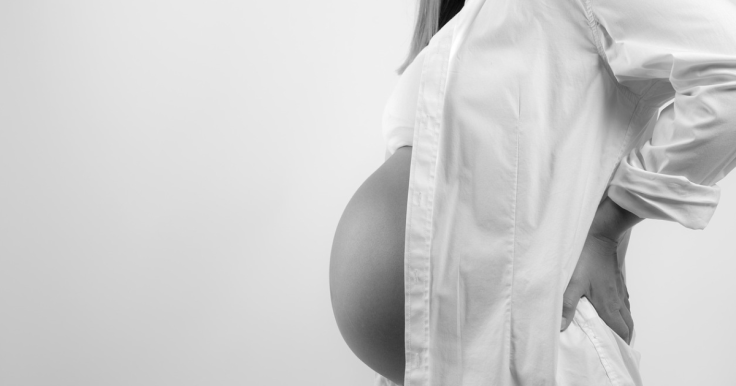
Republicans are reportedly considering new visa restrictions for pregnant women after President Donald Trump suffered a major setback in his effort to end birthright citizenship.
Following the Supreme Court's ruling against Trump's executive order, some conservatives are now exploring alternative ways to curb automatic citizenship for children born on US soil.
The latest debate gained traction after political commentator Aaron Parnas claimed Republican lawmakers were discussing whether the US State Department should stop issuing visas to pregnant women suspected of travelling to America to give birth. The discussion quickly sparked backlash online, with critics warning that such measures could face serious legal and constitutional challenges.
Why Republicans Are Eyeing Visa Restrictions After Trump's Court Defeat
In a widely shared video, Parnas, an independent American journalist, attorney, and political commentator, said Republicans were looking for new ways to limit birthright citizenship. They are reportedly planning to urge the State Department to 'stop giving visas out to pregnant women' travelling to the United States to reduce birth tourism.
'After the United States Supreme Court ruled that Donald Trump's birthright citizenship executive order was unconstitutional, Republicans are looking for different ways to limit birthright citizenship,' Parnas said. 'And one suggestion that Lauren Boebert and others are now floating is to have the State Department to just simply cease giving out visas to those who are pregnant.'
The proposal would target pregnant foreign nationals travelling to the US because children born on American soil automatically qualify for citizenship.
Parnas noted that such a move would almost certainly face immediate legal challenges. He also said there is no clear indication that Secretary of State Marco Rubio or the State Department intends to adopt such a policy.
Still, Parnas argued that under a Trump-led administration, aggressive immigration proposals cannot be ruled out. 'We're in a situation where they're looking for different ways to try to limit birthright citizenship,' he added.
Trump's Birthright Citizenship Fight and the Supreme Court Ruling
Trump has long sought to end birthright citizenship, a constitutional principle rooted in the 14th Amendment, which grants citizenship to nearly anyone born on US soil regardless of their parents' immigration status.
The issue returned to the spotlight after Trump signed an executive order aimed at restricting that interpretation. The order immediately faced legal challenges from civil rights groups and immigration advocates, who argued it violated the Constitution.
The Supreme Court struck down the order, reinforcing long-standing constitutional protections around birthright citizenship and limiting the administration's ability to unilaterally alter the policy.
The ruling did not end the broader political battle. Instead, it appears to have shifted the focus toward other potential restrictions, including visa policy.
Viral Video of Pregnant Nigerian Woman Fuels Online Debate
The debate intensified after a video of a 37-week pregnant Nigerian woman attempting to travel to the United States went viral online last week. The footage shows a heavily pregnant Nigerian woman stopped by UK border officer Sarah while transiting through London en route to the United States.
The officer grew suspicious that her travel may be linked to birth tourism, noting that 'babies born in the UK don't automatically qualify for a British passport, but babies born in the US do automatically qualify for an American passport.' Sarah also flagged that the woman, who was seven weeks from giving birth, appeared to be travelling beyond most airlines' pregnancy limits, so she called the US Embassy.
37 weeks pregnant woman from Nigeria 🇳🇬 tries to fly to the U.S. 🇺🇸 from the UK🇬🇧, but Sarah a UK officers stepped in.
— Ozor Ndi Ozor (@OzorNdiOzor) June 25, 2026
Babies born in the UK don't automatically qualifies for British passport, but babies born in the U.S do automatically qualify for American passport. pic.twitter.com/CbUqujEODy
Although the woman was not denied entry to the UK or the US outright, she missed her flight after the US Embassy requested to interview her in Lagos before approving onward travel. According to reports, when she failed to appear at the embassy afterwards, her US visa was cancelled.
Supporters of stricter immigration enforcement argued the case highlighted concerns about birth tourism and potential abuse of visa systems. Critics, however, warned that targeting pregnant women could amount to discriminatory enforcement and raise serious civil liberties concerns.
© Copyright IBTimes 2026. All rights reserved.
- Recommended For You


