

Trump Immigration Policy: State Department Weighing $100,000 Upfront Green Card Fee
The push for a $100,000 bond arrives alongside other major changes to the US immigration system, including adjustments to naturalisation fees and increased scrutiny of employment-based visas.
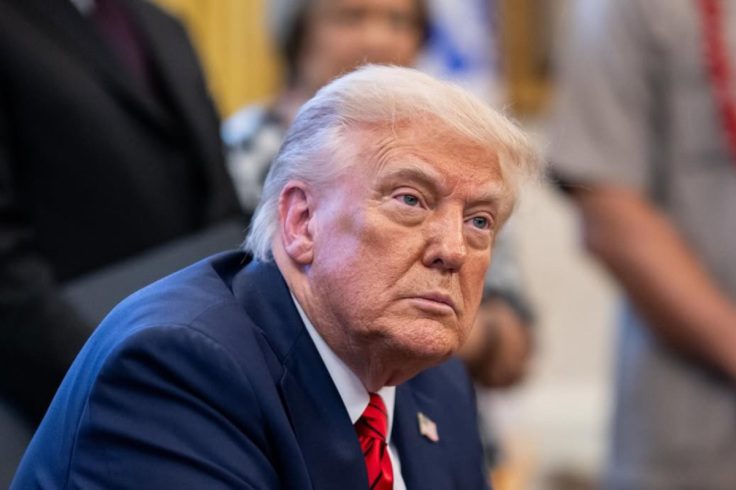
Donald Trump's State Department is weighing a plan to require some would‑be immigrants applying for green cards at US consulates overseas to post bonds of around $100,000 upfront.
According to recent reports, this potential shift in US immigration policy marks a significant escalation in the administration's focus on ensuring that legal migrants can demonstrate absolute financial independence before entering the country.
While the green card bond requirement remains under discussion and has not yet been formalised as a final regulation, its consideration underscores a broader strategy to reshape legal pathways into the United States.
For thousands of families awaiting reunification, the prospect of a six-figure financial hurdle represents not just a bureaucratic shift, but a potentially insurmountable barrier to living and working in America.
Trump Immigration Policy Pushes New Green Card Barrier
The State Department quietly explored new ways to use its powers under the Immigration and Nationality Act. Officials are now examining whether they can legally compel certain immigrant‑visa applicants to put down large refundable bonds as proof they can support themselves.
Sources said internal discussions have focused on a ballpark figure of $100,000 per person, though the final bond could be higher or lower depending on the case. The measure would initially be tested with a small group of countries as a 'proof of concept,' with the option to expand later.
A State Department spokesperson, Tommy Pigott, did not address specific sums but confirmed the underlying plan. 'President Trump has made clear that those who wish to immigrate to the United States must be financially self‑sufficient,' he said in a statement. He added that the department was exploring its existing legal authority to require some visa applicants to post a bond 'as a way to demonstrate they have access to the funds needed to support themselves.'
At the heart of this is the immigrant visa, the main route by which foreign nationals apply from abroad to become lawful permanent residents and receive a green card on arrival. The State Department typically issues around half a million of these visas each year, overwhelmingly to close relatives of US citizens such as spouses, parents and siblings. These are precisely the families who could now find themselves staring at a six‑figure bill before they can reunite.
Under the emerging design, sources said the bond would be paid upfront and held for at least five years, until the new arrival becomes eligible for US citizenship. If the immigrant later relied on public support or failed to meet other conditions, the bond could be forfeited. In theory, relatives in the US could step in and post the money on their behalf, but that only underlines how sharply this policy would favour families with access to significant cash.
Sharvari Dalal‑Dheini, head of government relations at the American Immigration Lawyers Association, sees the intent as unmistakable. 'The goal of bonds is, it seems, to keep out a certain type of immigrant,' she said. 'We're making our system pay‑to‑play: only the wealthy can come visit, or reunite with family, or seek a better life for themselves.'
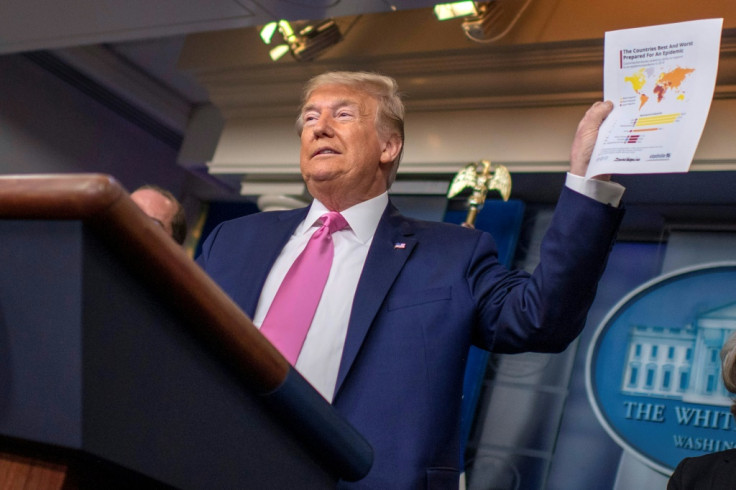
Earlier this year, the Trump administration halted immigrant‑visa processing for 75 countries, including densely populated nations such as Pakistan, Nigeria and Brazil, in what officials framed as another effort to curb migration by low‑income foreigners.
The freeze, introduced in January, means thousands of applicants have been left in limbo, unable to receive a final decision on their cases, even as temporary visas for tourists and students continue to be issued. According to officials, there is no expectation that the pause would be lifted if the bond scheme goes ahead; both tools would likely operate in tandem.
Donald Trump's Long Campaign Against 'Public Charge' Immigrants
Since Trump first took office, one of the most influential voices on immigration policy has been Stephen Miller, a hard‑line adviser who has repeatedly pushed to deny green cards and citizenship to anyone who might one day claim public assistance. Immigrants are already barred from most federal benefits until they have held a green card for five years, but that has not stopped the administration from trying to deepen the barrier.
Those efforts produced the so‑called Public Charge Rule in 2019, which forced green‑card applicants to clear a new wealth and self‑sufficiency test. Consular and immigration officers were instructed to weigh an applicant's net worth, education level, English skills and even disability status when deciding whether they might become a 'public charge.'
The policy technically came into effect during Trump's final year of his first term, but its impact was blunted by the collapse in global travel during the first year of the Covid pandemic. The rule has not been formally re‑issued in his second term, although visa officers have been told to look for similar red flags, including health conditions, when they screen applicants.
Legal Challenges And The Immigration Landscape
The $100,000 bond idea would also build directly on a little‑noticed experiment that began last August with tourist visas. Under that pilot, some visitors from Malawi and Zambia were asked to post refundable bonds of up to $15,000, which they would lose if they overstayed or applied for another immigration status such as asylum after arrival. The scheme has since been expanded to cover 50 countries, most of them in Africa.
Internally, the State Department has touted that pilot as an early success, pointing out that roughly 97 per cent of those who paid the bonds did not overstay their visas. Yet people familiar with the data say there has been a steep drop in the number of visitors approved in the first place, an outcome that critics would argue is less a triumph than a quiet closing of the door.
Officials now talk of extending that tourist‑bond model far more widely, potentially to all visitors from countries outside the visa waiver system. If the green‑card bond is added on top, the combined effect would be to turn US entry, temporary or permanent, into a far more expensive proposition for millions of people.
None of these new bond proposals has been finalised and no regulation has yet been published. But taken together, the moves under consideration sketch a clear direction of travel for Trump's second‑term immigration agenda, in which the price of American opportunity is set not just by ability or family ties, but increasingly by the size of a bank balance.
As the administration refines its Trump administration bond proposal, the focus remains on whether these measures will survive judicial review or join the growing list of immigration policies stalled by legal intervention. For the time being, the proposal serves as a clear indicator of the administration's trajectory: a system where entry is increasingly mediated by the size of an applicant's bank balance rather than established family or employment ties.
© Copyright IBTimes 2026. All rights reserved.