

Trump Faces Impeachment Calls as Iran War Splits MAGA Base and Angers Republicans
The Iran conflict fractures Trump's core support, raising legal and political questions over his war powers and promises
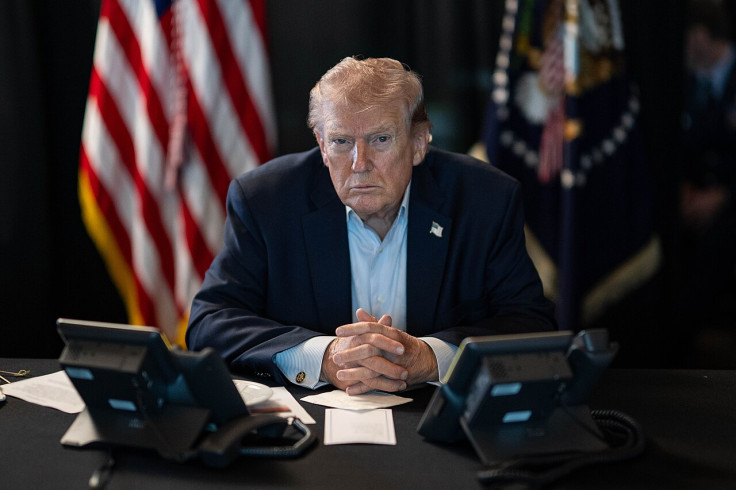
Donald Trump's campaign promise to keep America out of foreign wars now hangs in tatters as the Iran conflict he launched over the weekend triggers a political firestorm. Once hailed as the antiwar president, Trump is now facing mounting calls for impeachment from both moderate Republicans and disillusioned MAGA supporters alike.
Trump built his brand on being the antiwar candidate, repeatedly pledging in 2016, 2020, and 2024 to avoid entanglements overseas. Yet, the surprise airstrikes against Iran have shattered that image. Critics point to civilian casualties, including children, and American troop deaths as evidence of a growing disaster.
MAGA Base Begins to Revolt
'This is not what we signed up for,' said several pro-Trump commentators and pollsters, highlighting the frustration among long-time supporters who feel betrayed by the president's pivot from dove to war-maker. Former allies such as Marjorie Taylor Greene have publicly expressed disapproval, signalling a fracture in the MAGA coalition.
Observers note that the president's weekend command of operations from Mar-a-Lago, while attending social events, only intensified criticism, with detractors accusing him of prioritising spectacle over strategy.
Republican Leaders Question Legality and Justification
Amid the chaos, constitutional conservatives have raised alarms about Trump's authority to wage war without congressional approval. Several factions in the GOP argue that launching military action without authorisation violates the Constitution and risks setting a dangerous precedent.
Senator Marco Rubio and other officials have attempted to frame the attacks as 'proactively defensive', claiming Iran would have retaliated against the United States if Israel had acted first. However, critics point out that such justifications stretch the language of defence to its breaking point, leaving many lawmakers uneasy about the administration's rationale.
This legal ambiguity has heightened calls for accountability and contributed to discussions of impeachment as a viable political option.
Political analysts suggest that if Republicans lose control of the House in the upcoming midterms, Trump's impeachment becomes increasingly probable. Betting markets indicate that public confidence is shifting, with speculation rising that at least one Republican lawmaker may break ranks and formally support impeachment proceedings.
'Even hardcore MAGA supporters are starting to question the narrative,' said one political commentator. 'The Iran situation has gone beyond what loyalty can justify, and party fractures are now visible.' While conviction in the Senate remains unlikely due to the absence of a supermajority, the act of impeachment itself could mark a historic rebuke from Trump's own party.
Iran War Compounds Multiple Political Challenges
The Iran conflict is only one of several factors that could contribute to Trump's potential impeachment. Analysts note that the president's pattern of controversial decisions, combined with broken campaign promises, has created multiple points of friction with both legal authorities and political allies.
Trump's supporters face a dilemma: defend a leader who promised peace but enacted war, or acknowledge the growing legal and ethical concerns surrounding his actions. With the Middle East situation escalating and casualties mounting, both domestic and international pressures are likely to intensify, leaving Trump navigating an increasingly precarious position in Washington.
As debates over legality, loyalty, and leadership continue, one thing is clear: the Iran war fiasco has reshaped the political landscape, raising serious questions about Trump's standing within his party and his future in office.
© Copyright IBTimes 2026. All rights reserved.