White House Press Secretary Karoline Leavitt Blames WHCD Shooting to Those Who Called Trump 'Fascist'
Violence at the White House Correspondents' Dinner ignites a debate on free speech and political discourse

The annual celebration of the First Amendment in Washington, DC has been eclipsed by a violent security breach and a subsequent political firestorm. While the White House Correspondents' Dinner (WHCD) is typically a night of levity, the 2026 event was defined by gunfire and a sharp escalation in the administration's rhetoric.
As investigators piece together the motives of the apprehended gunman, the White House has moved quickly to link the incident to the language used by political opponents. This development has sparked a heated debate regarding free speech and the responsibility of public figures in a deeply divided nation.
Karoline Leavitt Links Political Rhetoric To WHCD Violence
In the immediate aftermath of the shooting, White House Press Secretary Karoline Leavitt issued a provocative statement that appeared to place the blame for the violence on those who have consistently criticised the president. Leavitt specifically targeted the use of inflammatory labels, such as 'fascist' and 'authoritarian,' suggesting these terms incite unstable individuals to act.
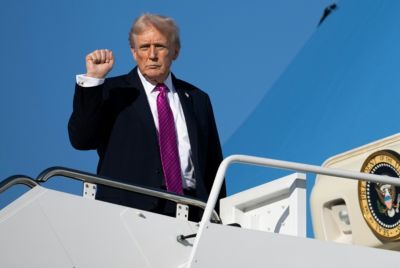
'Those who constantly, falsely label and slander the president as a fascist, as a threat to democracy, and compare him to Hitler to score political points are fueling this kind of violence,' Leavitt said at a press briefing on Monday. 'The left-wing cult of hatred against the president and all of those who support him and work for him has gotten multiple people hurt and killed.'
She added that commentators and elected members of the Democratic Party had made their pitch to voters across the country by portraying Donald Trump as an existential threat to democracy.
Leavitt argued that the consistent portrayal of Donald Trump as a threat to democracy is a catalyst for dangerous security breaches. By focusing on the language of 'fascism,' the press secretary has pivoted the conversation from security protocols to the ethics of political discourse.
Aaron Parnas Defends Free Speech Against White House Claims
The administration's stance has drawn swift, viral rebukes from legal experts and commentators. Aaron Parnas, an attorney and TikTok influencer, addressed the situation in a widely shared TikTok video, arguing that the White House is attempting to suppress legitimate criticism through intimidation.
Parnas asserted that calling a political figure a fascist is a protected act under the United States Constitution, arguing that people are free to describe the president however they choose. 'You have a First Amendment right to call Donald Trump a fascist, to call Donald Trump an authoritarian, and nothing the White House says changes that,' Parnas said in response to Leavitt's statement.
He further explained that his decision to skip the annual White House Correspondents' Dinner stemmed from his discomfort with the administration's treatment of the press. 'And this is why I didn't go to the White House Correspondents' Dinner, because you shouldn't celebrate a president or an administration that actually tries to degrade your ability to speak,' he added.tiktok
Gunfire and Chaos Erupt During Saturday Evening Gala
The incident that sparked this debate occurred during the height of the Saturday evening festivities at the Washington Hilton. Several journalists, celebrities, and politicians were gathered when gunfire erupted outside the venue, sending shockwaves through the ballroom.
Secret Service agents acted immediately to secure the president and senior staff, while local police cordoned off the surrounding streets. A security breach was confirmed shortly thereafter, with authorities taking a lone gunman into custody at the scene.
Initial reports indicate the suspect was heavily armed and had managed to reach a vantage point near the entrance. While no fatalities within the dinner were reported, the psychological impact of the attack has cast a long shadow over the future of the event.
© Copyright IBTimes 2026. All rights reserved.
- Recommended For You