Do Aliens Exist? Trump Releases New UFO Files as Secretly Filmed Alien Doc Drops
Declassified files and a new documentary bring UFOs into mainstream discussion, but evidence of extraterrestrial life remains elusive.

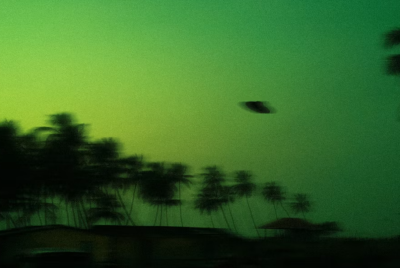
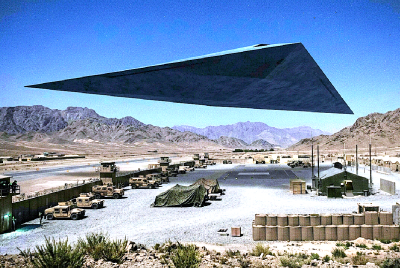
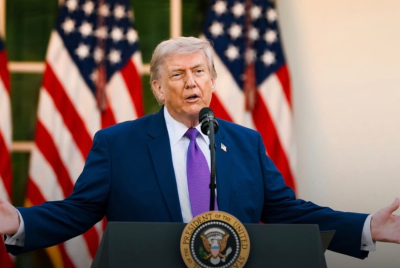
Donald Trump's latest release of declassified UFO files has renewed scrutiny of one of the most enduring questions in modern science and politics: do aliens exist? The newly published material adds to a growing body of government videos, photographs and encounter reports, but officials continue to stop short of confirming that any of it proves extraterrestrial life.
The release is arriving alongside Sleeping Dog, a secretly filmed documentary about UFO investigator Jeremy Corbell, placing one of the most visible figures in the unidentified anomalous phenomena (UAP) debate back into the spotlight at a moment when public and political interest is accelerating.
4 years ago today, humanity saw the black hole at the center of our galaxy for the first time. Today, SLEEPING DOG dropped.
— Jeremy Kenyon Lockyer Corbell (@JeremyCorbell) May 12, 2026
Some things were always there. They just didn’t want you to see them 🕳️🛸
SLEEPING DOG | available nowhttps://t.co/sBufpcZFZ4
New Files Rekindle Questions
The Trump administration has continued its rolling publication of declassified UAP material under its PURSUE programme, part of a broader transparency effort that has steadily pushed once-classified encounters into public view.
The UFO files are finally here. The Trump administration released 162 files today.
— Vicky Verma (@Unexplained2020) May 8, 2026
The U.S. Department of War has just released 162 new government files on UAP as part of President Trump’s transparency push.
This is the very first drop under the new “PURSUE” program. All 162… pic.twitter.com/2hQbwxc95q
Earlier releases included Apollo 12 and Apollo 17 photographs and mission transcripts, while subsequent batches expanded the archive with additional videos, reports and supporting documents. Together, they have added fresh momentum to debate around unexplained aerial sightings, even as officials emphasise that none of the material constitutes evidence of alien technology or contact.
That distinction remains central. The files include incidents that investigators say remain unresolved, but 'unexplained' is not being treated as synonymous with extraterrestrial.
Documentary Arrives at Key Moment
Sleeping Dog, directed by Michael Lazovsky, follows Corbell over several years as he works to push UAP claims from niche circles into mainstream political and media discussion.
The documentary was filmed covertly and tracks his efforts to obtain classified or restricted material, engage with whistleblowers and press for greater transparency from US defence and intelligence agencies.
Rather than focusing on a single revelation, the film presents a longer narrative about how UFOs have moved from the margins into congressional hearings, defence briefings and mainstream news coverage.
Corbell's Role in Disclosure Debate
Corbell has become one of the most prominent figures in the modern UAP movement, arguing that unexplained objects operating in restricted airspace warrant serious national security attention.
Across interviews and public appearances, he has claimed that 'machines' and 'craft' of unknown origin have been observed in sensitive areas, and that governments have been aware of anomalous activity for decades.
Jeremy Corbell: "People from the Government & Intelligence Agencies are calling me EVERYDAY about UFO's" 👽🛸
— Interstellar (@InterstellarUAP) June 1, 2026
"There has been too much contact for this not to be real." 😱
"Why are they here? What do they want?" These are the questions driving the biggest shift in how we… pic.twitter.com/iZJeA4mVF1
His supporters say he has helped bring long-dismissed claims into legitimate public debate. Critics, however, argue that many of the more extraordinary assertions still lack independently verifiable evidence, and caution against drawing conclusions beyond what the data supports.
Footage, Figures and Familiar Names
The documentary also features previously unreleased material from Corbell's archive alongside interviews with well-known figures in the UAP community. These include astronaut Edgar Mitchell, former intelligence officer David Grusch and investigative journalist George Knapp. Their inclusion is likely to attract attention from audiences already following congressional testimony and recent government disclosures.
🚨🔊 GRUSCH RETURNS TO DC: BOMBSHELL UAP/NHI DISCLOSURE PUSH IMMINENT! 👽🔥
— OVERCLASSIFIED (@overclassifiedx) May 29, 2026
UAP whistleblower David Grusch, the highly credentialed former intelligence officer who dropped nuclear testimony under oath before Congress in July 2023, is speaking publicly again in Washington, DC, on… pic.twitter.com/n6CtWTlWgP
Josh Golembeske, senior director of production at Gaia and guest host of Cosmic Disclosure, has said that some of Corbell's material later appeared to overlap with footage and reports that surfaced in official UAP releases. That convergence highlights a growing overlap between independent investigators and government-led disclosure efforts, even if the interpretations of that material remain sharply contested.
Officials Urge Caution
Despite rising public interest, US officials have continued to frame the releases as a transparency initiative rather than confirmation of anything extraterrestrial.
Fox News reported that the initial tranche was designed to make previously restricted videos, images and records accessible to the public without security clearance barriers. Later updates expanded that archive with additional material tied to unexplained encounters.
NASA administrator Jared Isaacman has also urged restraint in interpreting the files. While acknowledging that some incidents remain unresolved, he has said there is no evidence within the current data of alien bodies, recovered spacecraft or confirmed non-human origin.
That position reflects the broader institutional stance: the presence of unexplained phenomena does not, in itself, equate to proof of extraterrestrial life.
A Debate Still Unresolved
The combination of ongoing file releases, congressional interest and the arrival of Sleeping Dog suggests the UAP debate is continuing its shift into mainstream discussion rather than remaining confined to fringe communities.
Supporters argue that the steady release of material represents meaningful progress in transparency and accountability. Skeptics counter that while more data is available than before, it still falls short of answering the central question definitively.
That tension remains unresolved. The government is releasing more information than ever, independent investigators are gaining wider platforms, and public curiosity continues to grow. Yet despite the increased visibility, the core question remains unchanged.
For now, the available evidence continues to support a more cautious conclusion: unidentified phenomena are being acknowledged more openly than in the past, but proof that aliens exist remains firmly out of reach.
© Copyright IBTimes 2026. All rights reserved.
- Recommended For You