Trump Under Fire as He Claims High Oil Prices Benefit America as Drivers Face Billions More in Gas Costs
President Trump insists soaring oil costs serve national interests while Americans pay billions more at the pumps

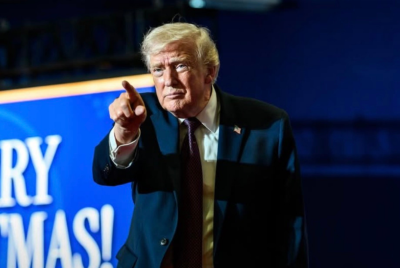
For millions of American drivers already struggling with rising living costs, the message from President Donald Trump landed like a shock. In a social media statement that quickly spread online, Trump argued that higher oil prices were actually good for the United States. The claim triggered immediate backlash, as motorists across the country face mounting fuel bills and analysts warn that the global energy market is entering a turbulent period.
In his message, Trump wrote that the United States produces more oil than any other nation. Because of that, he argued that when global oil prices rise, the country earns more money.
Why Trump Thinks High Oil Prices Help America
Trump also linked the issue to foreign policy. He said a key priority of his administration is preventing Iran from obtaining nuclear weapons and destabilising the Middle East. According to the president, confronting that threat is more important than worrying about short term energy price increases.
The statement suggests that the administration sees higher oil prices as a temporary consequence of larger geopolitical goals. Trump insisted that stopping hostile powers from gaining influence in the region is a vital national interest and one that outweighs the immediate impact at petrol stations.
Yet the argument has raised eyebrows among economists and political observers. While the US does produce large amounts of oil, everyday Americans still pay the global market price for fuel.
Drivers Feel the Impact as Fuel Costs Climb
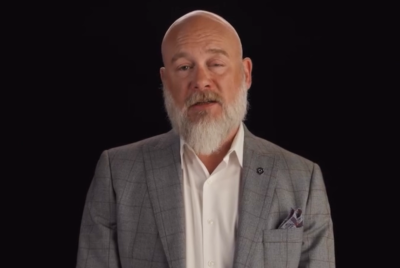
For drivers, the economic reality is far more straightforward. When oil prices rise, petrol becomes more expensive. According to petroleum analyst Patrick De Haan, Americans are now spending roughly 250 million dollars more on gasoline each day compared with a month ago.
That increase translates to more than 1.5 billion dollars per week in additional fuel costs nationwide. For many households, especially those commuting long distances or relying on cars for work, the financial pressure is already becoming clear.
Some critics have begun referring to the surge as an unofficial 'Trump gas tax,' arguing that recent political decisions have contributed to the spike in oil prices.
The price of crude oil has climbed close to 100 dollars per barrel, a level not seen for several years. Analysts say tensions in the Middle East and concerns about global supply have pushed the market upward at remarkable speed.
Rising Oil Prices Linked to Middle East Tensions
One major factor behind the price surge is growing instability in the Middle East. Military and diplomatic developments in the region have shaken energy markets, which are highly sensitive to potential disruptions in oil supply.
Energy experts point out that geopolitical uncertainty often leads traders to anticipate shortages. Even the possibility of conflict can drive prices upward long before actual supply problems occur.
Some critics argue that recent decisions by the US administration have intensified those tensions. They say the situation has helped create the conditions for the current price spike, though supporters of the president insist strong action abroad is necessary for national security.
The debate highlights a familiar political reality. While presidents rarely control oil prices directly, their foreign policy choices can influence global energy markets.
Past Promises About Lower Gas Prices
Trump's remarks have also revived scrutiny of earlier campaign promises. During his election campaign, the president repeatedly pledged to lower fuel prices and strengthen American energy independence.
He often argued that expanding domestic drilling would quickly reduce costs at the pump. At rallies he told voters that Americans would soon spend far less on petrol.
Now, with prices rising instead of falling, critics say the administration faces difficult questions about those promises. They argue that voters expected cheaper fuel, not explanations about why expensive fuel might be beneficial.
Supporters of the president counter that global energy markets are complex and that long term gains could outweigh the current pain. Some conservative commentators have described the situation as short term sacrifice for future stability.
For the moment, however, the immediate reality is clear for millions of drivers. As petrol prices climb and household budgets tighten, Trump's claim that higher oil prices benefit America continues to fuel a heated national debate.
© Copyright IBTimes 2026. All rights reserved.
- MOST POPULAR IN Trending