The End for Starmer? Labour MPs Expect PM To Step Down as Andy Burnham Gains Support for No 10 Bid
Downing Street denies the prime minister is preparing to resign as questions mount over his future.

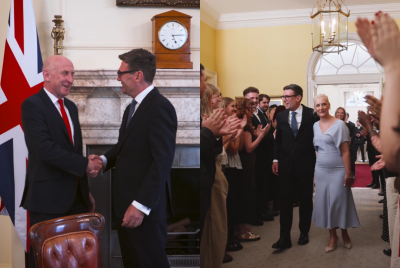
Keir Starmer is facing the biggest crisis of his premiership as Labour MPs rally behind Andy Burnham as a possible successor, with reports claiming the prime minister is considering his future at Chequers amid mounting pressure from within his own party.
However, Downing Street has denied that Starmer is preparing to resign, meaning no departure has been confirmed.
The latest turmoil follows weeks of political pressure on the Labour leader after a series of controversies and declining support among voters. Starmer's position came under renewed scrutiny after Andy Burnham secured a return to Westminster through the Makerfield by-election, a result that strengthened his standing among MPs who believe Labour needs a change of direction.
Starmer Departure Claims Grow As Labour Support Shifts
Reports that Starmer could announce a departure timetable emerged after senior Labour figures began publicly questioning his future. The Observer reported that the prime minister had recognised the scale of opposition against him after discussions with cabinet ministers, party donors, and trade union representatives.
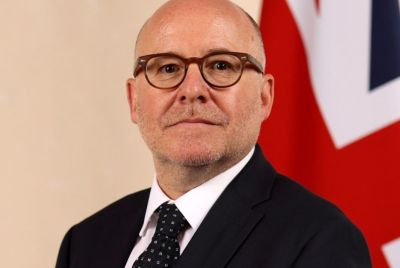
Business Secretary Peter Kyle said Starmer was spending the weekend 'making time to reflect on the political realities' and challenges facing him. Speaking to Sky News, Kyle declined to say whether he believed the prime minister should remain in office but said Starmer was focused on the country's interests.
'The prime minister was calm. He was thoughtful. He led the conversation,' Kyle said, describing a private discussion with Starmer. 'Repeatedly, the prime minister asked about the country. Not once in that conversation, which was a lengthy conversation, did he ever ask about self-interest.'
The comments added to speculation that Labour's internal debate had moved beyond whether Starmer could survive a leadership challenge and towards how any transition might take place.
More than 100 Labour MPs have reportedly called for Starmer to step aside, according to the political reporting provided. That figure represents just under a quarter of Labour's parliamentary party, although not all those calling for change are necessarily demanding an immediate leadership contest.
Some MPs are understood to favour an orderly transition rather than a public battle that could further damage the party's reputation.
Andy Burnham Emerges As Starmer Faces Leadership Pressure
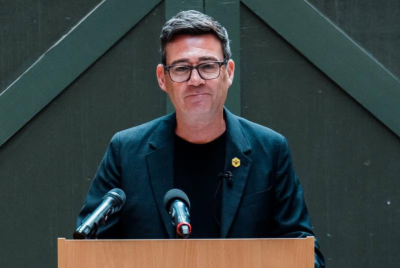
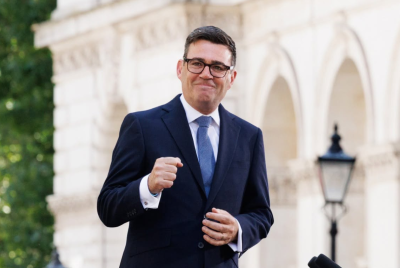
Burnham's position has strengthened significantly following his by-election victory in Makerfield, where he demonstrated his ability to win support in an area where Reform UK had been expected to make gains.
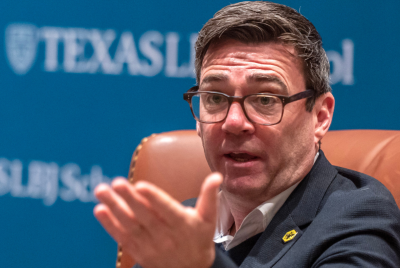
The Greater Manchester mayor is expected to return to Westminster and has been linked with a possible leadership bid. Allies believe his experience in local government and his communication style could offer Labour a different approach ahead of the next general election.
Under Labour's rules, any leadership candidate would need nominations from at least 20 per cent of Labour MPs, currently requiring the support of 81 MPs. Former health secretary Wes Streeting has also said he intends to seek the leadership and claims he has enough backing, although allies of both Starmer and Burnham have questioned whether his campaign can gain momentum.
The political uncertainty comes less than two years after Starmer led Labour to a large general election victory, securing a majority of 174 seats. Since then, his government has faced criticism over policy reversals, including changes surrounding winter fuel payments and the appointment of Peter Mandelson as UK ambassador to Washington.
Labour's polling position has also weakened, with Reform UK making significant gains and prompting concerns among some Labour MPs that the party could face a serious challenge at the next election without a change in leadership.
The Conservative Party has criticised the possibility of Burnham becoming prime minister. Shadow chancellor Mel Stride said replacing Starmer would not fundamentally alter Labour's approach, arguing that the party remained committed to higher borrowing and spending.
Meanwhile, former prime minister Rishi Sunak warned that a new Labour leader would need a clear mandate and plan from the beginning, arguing that taking office without a leadership contest could create difficulties.
Despite the speculation, Starmer remains the Prime Minister, and no formal resignation has been announced. His next steps are expected to be closely watched as Labour prepares for a crucial period of political uncertainty.
© Copyright IBTimes 2026. All rights reserved.
- Recommended For You