Shopify To Imminently Ban All Vape Sales Following Severe Pressure From US Law Enforcement Officials
E-commerce giant Shopify faces pressure from state attorneys general to halt illegal vape sales.
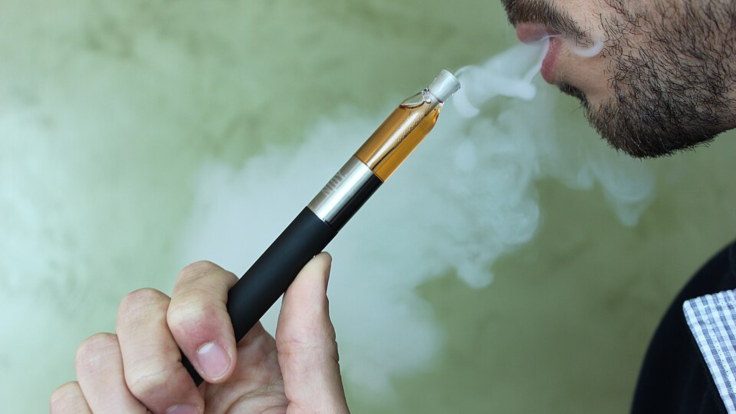
Shopify is preparing to wipe every vape off its US platform within days, a move that would hand a bipartisan bloc of state attorneys general their biggest win yet against the booming illegal e-cigarette trade.
The Ottawa-based e-commerce giant powers millions of online storefronts, and the reported ban would cover all vapes sold to American shoppers regardless of whether the products carry federal authorisation. Reuters, which first reported the plan on 23 June 2026, cited two people familiar with it and noted it was not clear whether the prohibition would reach beyond the United States.
Shopify has stopped short of publicly confirming the policy. The talks between the company and the officials have run for the best part of a year, and a ban would mark the most significant concession yet wrung from a major platform in the campaign against unlicensed e-cigarettes.
A Bipartisan Coalition's Year-Long Campaign Against Online Vape Sales
State enforcers have leaned on Shopify since last year. In November 2025, California Attorney General Rob Bonta and the City of New York co-led a coalition of 25 attorneys general in writing to the company, urging it to cut off merchants selling illegal tobacco products.
The coalition flagged 29 illegal e-cigarette websites then hosted on the platform and enclosed an exhibit pointing to more than 200 others.
Shopify already bars unlawful activity in its own policies, and it had removed certain vape sellers identified by California in April 2025. Arizona Attorney General Kris Mayes, one of the signatories, called the trade 'blatant law-breaking and a danger to the young people and teens' who should not be able to buy the products.
The officials thanked the company for past cooperation but pressed for what they called a more comprehensive fix. Bonta has a track record here, having sued the importer of the popular FLUM disposables and earlier online retailers, alongside coordinated multistate action against flavoured disposable e-cigarettes.
Squeezing the Payment Rails and the China Supply Chain
The campaign widened in 2026 to the money behind the sales. In April, Bonta and the same coalition wrote to nine major card networks and payment processors, among them Visa, Mastercard, Stripe and PayPal, demanding tougher steps to keep their systems from handling illegal vape transactions. Mastercard later warned partners in a May notice, obtained by Reuters, that unlicensed vape sales breach its standards.
Most unlicensed vapes are made in China and reach American buyers through online shops as well as corner stores, petrol stations, and vape outlets, despite being illegal to import or sell. British American Tobacco, whose US arm has been battered by the flood of cheap disposables, puts the size of the illegal American market at about £7.1 billion ($9 billion). The scale helps explain why state lawyers have chased the platforms and processors that keep the goods moving, after the US Postal Service moved last year to block a key vape distributor.
Shopify framed any action as a matter of law rather than lobbying. 'We've always prohibited illegal activity and take action when we become aware of merchants violating our policies,' a spokesperson told Reuters, adding that the firm adjusts its approach when legal changes call for it. The company said such decisions weigh global legal frameworks and are not based on feedback from any one group.
One source told Reuters the ban could disrupt online sales and have a chilling effect on sellers, though the hit to licensed names such as BAT or Juul should be limited, since little authorised vape business happens online.
A Federal Government Drifting the Other Way
The state crackdown sits awkwardly beside Washington's softening stance. The Food and Drug Administration has authorised just 45 e-cigarette products, the only ones lawful to sell nationally, which manufacturers say has starved the legal market and fed the illegal one.
On 5 May 2026, the agency cleared its first fruit-flavoured vapes, four Glas pods using digital age-gating, reversing a long de facto limit to tobacco and menthol.
Days later, the FDA signalled it would not prioritise enforcement against vapes and nicotine pouches sold without authorisation, a posture Bonta and other attorneys general have publicly criticised.
President Trump had rebuked FDA Commissioner Marty Makary for moving too slowly on flavoured products. Bonta has separately secured a £364 million ($462 million) multistate settlement with Juul, a marker of how aggressively states have pursued the industry.
The shift comes even as teen vaping has fallen to a 10-year low and as earlier federal raids on the vape supply chain, paired with steep tariffs on China, triggered shortages across the market.
Should the ban land as reported, the fight over America's illegal vapes will have shifted decisively from the shop counter to the servers and payment systems that quietly keep it alive.
© Copyright IBTimes 2026. All rights reserved.
- Recommended For You