

Why Did Fans Walk Out of Aaron Lee Tasjan Concert? Singer Breaks Silence After Eight Audience Members Leave Mid-Performance
Singer-songwriter addresses audience walkout, emphasising importance of challenging art
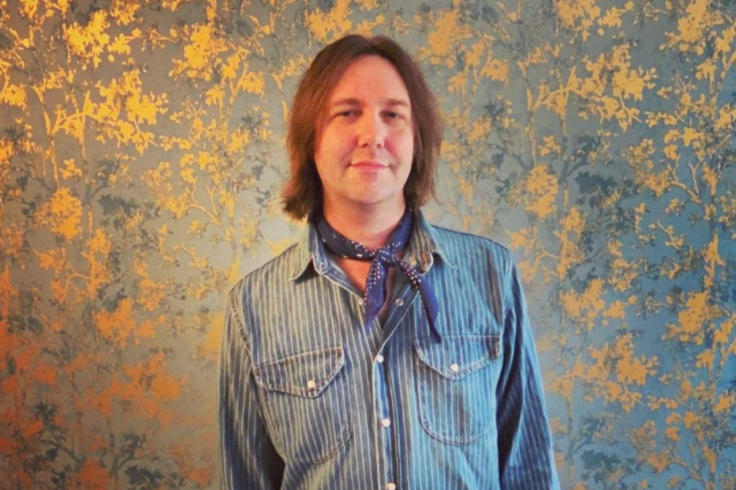
Eight audience members walked out of an Aaron Lee Tasjan concert during a performance of his song 'I Love America Better Than You,' prompting the singer-songwriter to address the incident publicly.
Rather than expressing frustration over the mid-show exit, Tasjan used the moment to explain why he believes artists should be willing to challenge audiences with difficult ideas, even if doing so makes some people uncomfortable.
The incident quickly attracted attention online after Tasjan shared his account on social media, where he reflected on the role of music, free expression and the conversations he hopes his songs inspire.
Aaron Lee Tasjan's Explanation
According to Aaron Lee Tasjan, the audience members left towards the end of his performance of 'I Love America Better Than You.'
In a post shared on social media, he said the group appeared to be uncomfortable with the themes explored in the song.
'Towards the end of "I Love America Better Than You", eight people who were very clearly put off by the messages in the song got up and walked out of my show,' Tasjan wrote.
Rather than criticising those who chose to leave, the country singer used the experience to reflect on the purpose of songwriting and live performance.
'Our job is not simply to sell tickets and T-shirts and receive applause,' he wrote, adding that artists have a responsibility to create work that can heal, comfort and tell the truth.
His statement has since generated discussion among fans, with many commenting on the balance between artistic expression and differing political viewpoints at live concerts.
What Is 'I Love America Better Than You' About?
The song at the centre of the walkout explores Aaron Lee Tasjan's perspective on modern America, highlighting both the country's strengths and its ongoing challenges.
Throughout 'I Love America Better Than You', Tasjan references immigrants, bustling cities, America's first Black president, LGBTQ+ communities and transgender people.
He also mentions the 6 January insurrection and the political divisions that continue to shape public debate across the United States.
Tasjan said the song was never intended to blame or lecture listeners.
Instead, he described it as an honest portrayal of a nation that is diverse, complicated and still striving to live up to its founding ideals.
The themes are consistent with the socially conscious songwriting that has characterised much of Tasjan's career.
Aaron Lee Tasjan on Music Challenging Audiences
Following the concert, Aaron Lee Tasjan expanded on why he believes artists should not avoid uncomfortable topics simply to keep audiences satisfied.
He wrote that songs have the power to comfort people during difficult moments, but they should also be capable of confronting listeners with difficult truths.
'The time to remain comfortable is gone,' Tasjan wrote, warning that continually walking away from ideas that challenge personal beliefs could lead to 'an embittered stagnation or worse, a descent into fracture'.
While acknowledging that audience members are free to leave any performance they choose, Tasjan suggested his greater concern was whether people remain willing to engage with perspectives that differ from their own.
Aaron Lee Tasjan's Political and Social Themes
For long-time listeners, the incident is unlikely to come as a surprise.
Aaron Lee Tasjan has built a reputation for openly discussing politics, identity and social issues through his music and public commentary.
His songs frequently examine the tension between America's ideals and its realities, placing him within a long tradition of country and Americana artists who have used songwriting to reflect on the country's cultural and political landscape.
The walkout during 'I Love America Better Than You' has therefore become less about the number of people who left the venue and more about the wider conversation surrounding artistic expression, political messaging and the role musicians play in addressing contemporary issues.
© Copyright IBTimes 2026. All rights reserved.