Netflix's 'A Toxic Love Story': Inside Michelle Hadley's Shocking 88-Day Ordeal After a Fake Cyberstalking Plot
Michelle Hadley's Ordeal: From Wrongful Imprisonment to Advocacy
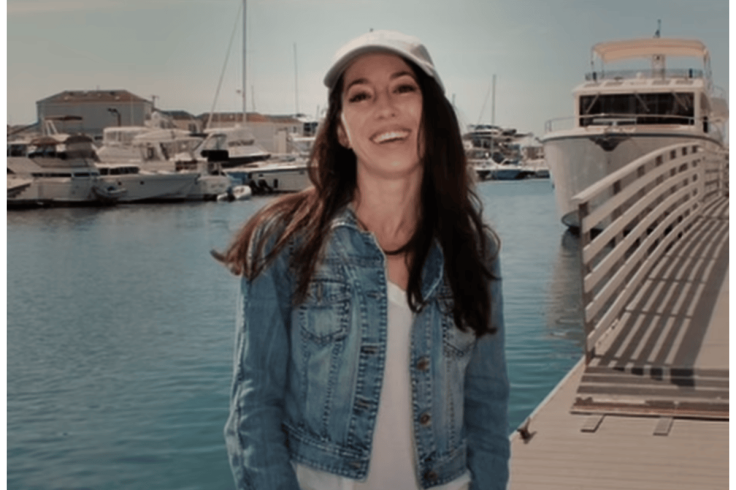
Netflix's latest true-crime documentary, 'A Toxic Love Story', revisits the case of Michelle Hadley, a California woman who spent 88 days in jail after being falsely accused of cyberstalking, only for investigators to later find she had been framed in an elaborate scheme orchestrated by her ex-fiancé and his new wife.
Once at the centre of one of the most widely discussed wrongful accusation cases in recent years, Hadley is now a mother, writer and advocate for survivors of abuse and wrongful accusations.
The documentary retraces the case through interviews with Hadley and those involved in the investigation, setting out how what first appeared to be a straightforward criminal complaint developed into a complex plot involving fabricated emails, fake online identities and manipulated evidence.
Who Is Michelle Hadley?
Before becoming the focus of international headlines, Michelle Hadley was living an ordinary life in Southern California.
She worked in marketing and became engaged to Ian Diaz, a deputy US Marshal, after the pair began dating in 2013. However, the relationship eventually broke down, leaving the former couple to navigate disputes surrounding their shared condominium and the end of their engagement.
According to Hadley, the relationship had become increasingly controlling before she decided to leave. She believed the breakup marked the end of a difficult chapter in her life.
Instead, it became the beginning of a years-long nightmare.
The Plot That Sent Her to Jail
In 2016, authorities arrested Hadley after she was accused of launching an extensive cyberstalking campaign against Diaz and his new wife, Angela Diaz.
Investigators alleged that Hadley had sent threatening emails, harassed the couple online and created Craigslist 'rape fantasy' advertisements that encouraged strangers to target Angela.
The allegations were so serious that Hadley faced multiple felony charges and the possibility of spending the rest of her life in prison.
She remained incarcerated for 88 days while prosecutors prepared their case.
The Twist That Exposed the Frame-Up
As investigators examined the evidence more closely, the case took an unexpected turn.
Authorities discovered inconsistencies in the digital evidence and began questioning whether Hadley had actually been responsible for the messages attributed to her.
The investigation ultimately concluded that Ian Diaz had authored many of the incriminating communications, while Angela Diaz participated in a plan to frame Hadley by creating fake email accounts, false threats and fabricated evidence.
The prosecution against Hadley collapsed, and all charges against her were dismissed.
Angela Diaz later pleaded guilty to multiple felony charges connected to the scheme and served a prison sentence. Ian Diaz was later convicted on federal charges, including cyberstalking, perjury and obstruction-related offences, and was sentenced to more than 10 years in prison.
Rebuilding After a Wrongful Arrest
The experience left lasting emotional scars for Hadley, who has spoken about the impact of being publicly branded a criminal before eventually being exonerated.
After her release, she filed a civil lawsuit against the City of Anaheim and reached a settlement in 2021. She has since focused on rebuilding her life, becoming a mother and advocating for survivors of abuse and wrongful accusations. She has also written about her experiences as part of her recovery.
In an interview following the release of 'A Toxic Love Story', Hadley warned viewers to watch out for red flags in their relationships.
'This is something I tell everyone now when people ask me for my advice. I say, "Always slow down the early stages of dating because people like Ian thrive on speed, because speed doesn't give you enough time to think and to assess and to evaluate and even check in with yourself." You'll hear it called colloquially as love bombing,' she said.
Hadley also confirmed that she has not heard from Ian or Angela since their incarceration. 'To be honest, I've reached a point in my healing journey where I'm not living for the apology,' she said.
Why Her Story Resonates
'A Toxic Love Story' sets out coercive control, online manipulation and problems within the justice system, while focusing on the perspective of the woman whose life was nearly destroyed by a deception.
The documentary uses new interviews and previously unseen details to examine a California wrongful accusation case that drew wide attention.
For Michelle Hadley, 'A Toxic Love Story' is not just a documentary about being framed and imprisoned for 88 days. It is an opportunity to reclaim her identity after years of being defined by false accusations.
Although no documentary can erase the 88 days she spent in jail or the damage caused to her reputation, 'A Toxic Love Story' gives Hadley a platform to tell her own version of events.
As audiences discover her story on Netflix, her case is presented as a reminder that wrongful accusations can have life-altering consequences and that the truth may only emerge after significant hardship.
'A Toxic Love Story' is now streaming on Netflix.
© Copyright IBTimes 2026. All rights reserved.
- Recommended For You