Crocodiles and Terror: ISIS-Linked Killers Found Guilty in Shocking Murder of British Couple
Convictions follow a long investigation into the 2018 murders of Rod and Rachel Saunders, highlighting international cooperation and financial tracking.

A South African court has convicted three individuals linked to ISIS ideology for the 2018 murders of British botanists Rod and Rachel Saunders, a case that drew international attention for its cross-border complexity and the financial trail that ultimately led to the suspects' arrest.
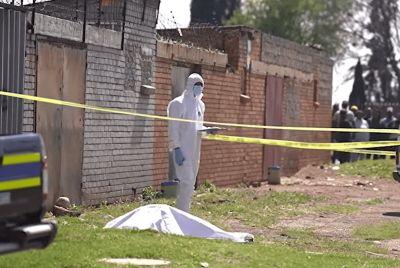
The couple, known for their work collecting rare seeds and contributing to botanical research, were attacked while on an expedition in KwaZulu-Natal. According to court findings, they were ambushed, tortured for access to their bank accounts, and later killed before their bodies were dumped in a crocodile-infested river in an attempt to conceal the crime.
Prosecutors told the court that after the killings, the attackers embarked on a spending spree using the victims' stolen bank cards, spending approximately £37,000 on goods and cash withdrawals. This unusual financial activity played a key role in helping investigators track the suspects across multiple locations.
Respected British Botanists Targeted On Expedition
Rod and Rachel Saunders were described as experienced plant collectors who travelled widely in search of rare species. The couple had been married for decades and were well known within botanical and horticultural circles for their seed conservation work.
BRITISH COUPLE TORTURED, MURDERED & FED TO CROCODILES
— Our Country Our Choice (@OCOCReport) June 10, 2026
A gang in South Africa stabbed and battered retired botanists Rod and Rachel Saunders to death, then dumped their bodies off a bridge to be eaten by crocodiles. pic.twitter.com/gLBIijQrr6
They were last seen during a field expedition before disappearing in 2018. Their remains were later recovered from the Tugela River, with evidence indicating they had been beaten, stabbed, and placed in sleeping bags before being thrown into the water.
Financial Footprint That Unravelled The Case
Investigators revealed that the breakthrough in the case came when authorities traced suspicious spending activity on the victims' accounts. Purchases and withdrawals linked to the stolen cards allowed law enforcement to identify the suspects and reconstruct their movements following the murders.
Authorities also recovered the victims' belongings during raids, including personal items, mobile phones and the stolen vehicle used after the attack.
Court Scrutiny Of ISIS-Linked Ideology
During the trial, prosecutors presented evidence suggesting the defendants had links to extremist ideology. Messages and materials recovered from electronic devices allegedly contained references to ISIS propaganda and violent rhetoric.
However, despite the ideological material presented in court, the defendants were ultimately convicted on charges including kidnapping, robbery and murder, rather than terrorism-related offences.
Eight-Year Inquiry Culminates In Convictions
The case took nearly eight years to conclude, involving extensive forensic analysis, digital evidence and testimony from more than 60 witnesses. Judges described the killings as deliberate and coordinated, emphasising the level of planning involved in the attack.
The convicted individuals now face sentencing, with South African legal guidelines indicating they are likely to receive life imprisonment for the murders.
The case has drawn renewed attention in the UK, where the victims' families have expressed both relief at the convictions and ongoing grief over the violent nature of the crime. Officials have also highlighted the importance of cross-border co-operation in solving complex international murder cases.
Authorities say further investigations may continue into potential wider connections linked to the convicted trio.
© Copyright IBTimes 2026. All rights reserved.
- Recommended For You