

Who Is Michael Phillips? Man Claiming He Has World's 'Smallest Penis' Books Enhancement Surgery After Public Crowdfunding
Michael Phillips's public campaign against body shaming garners significant support.
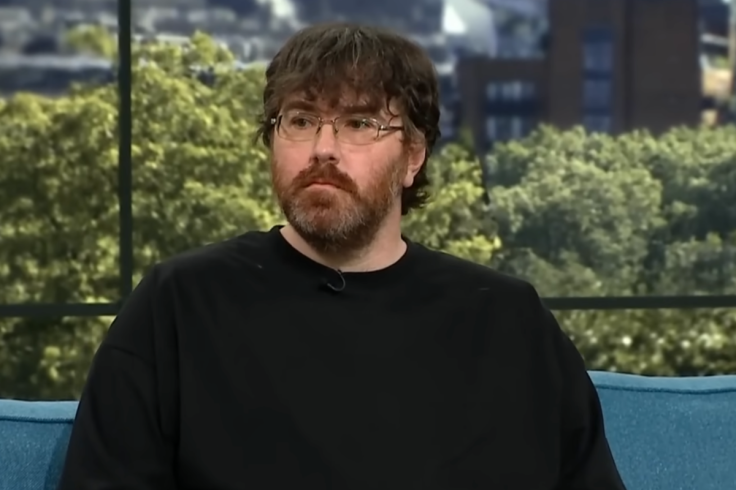
Michael Phillips, the South Carolina man who has turned a private medical diagnosis into a public campaign against body shaming, says he has booked a penile-enhancement procedure after supporters donated almost £9,560 ($12,797) through GoFundMe.
The 38-year-old's crowdfunding appeal is now at the centre of a story that began with television and online interviews about the condition he says affects his confidence, dating life and ability to urinate. Phillips told the Guardian on 5 July that he had booked treatment at a facility closer to home. He has not identified the provider, procedure date or clinician.
Michael Phillips's Public Profile
Phillips is a 38-year-old resident of Blacksburg, South Carolina, whose public recognition has come through speaking in his own name about a condition he says has shaped everyday life. His fundraising page identifies him as the organiser and describes urinary problems that he says led a doctor to advise the use of pull-ups while he seeks treatment. The page says he has saved money himself towards surgery and injections intended to increase penile girth.
His story had already reached a wider audience before the fundraiser went live. On 7 January, ITV's This Morning introduced Phillips as a guest who said he had been diagnosed with micropenis and wanted to discuss the impact on self-esteem and relationships.
In a February on-camera interview with TMZ, he said he wanted to raise awareness, challenge body shaming and invite anyone who believed they had a smaller penis to dispute his self-described record claim.
Those appearances made Phillips recognisable before the appeal began, but they did not create an independently awarded title. The phrase 'world's smallest penis' is Phillips's own description of his reported 0.38in measurement when erect. His public role is better understood as that of a man using his personal account to discuss a condition that is usually private.
The £16,430 Appeal Built Rapid Momentum
Phillips launched 'Help Michael Get Micropenis Enlargement Procedure' on 25 June with a goal of £16,430 ($22,000). The page says the original estimate for the procedure was about £4,480 ($6,000), plus taxes, and that donations above that amount would help meet final medical costs, prescriptions, travel, lodging and lost income during recovery.
The fundraiser displayed 257 donations and £9,560 ($12,797) raised when reviewed on 5 July. Its language places daily function at the heart of the appeal. Phillips says that a treatment that increases girth could reduce his reliance on pull-ups and help him use the bathroom more normally, although he acknowledges that it would not cure the underlying condition.
The campaign has also given Phillips a more direct channel than television interviews. He links the appeal to an Instagram account that has become the main public home for updates and explains that media attention brought both awareness and an emotional burden.
Phillips told the Guardian that he had 'already booked my procedure with a facility closer to home.' He said the booking was intended to increase girth and address some of the problems he attributes to micropenis.
The distinction between a booked procedure and completed surgery matters. Phillips has not made the proposed technique public, and his fundraiser refers to both surgery and injections. He has also publicly discussed concerns about possible effects on sensation and erectile function while weighing treatment options.
His next decision will therefore have practical as well as symbolic importance. Donors have financed an effort that he presents as a way to restore comfort and independence, while the clinical details remain private between Phillips and the provider he has chosen.
Clinical Context Remains Separate From The Viral Claim
Micropenis has a specific medical definition. Cleveland Clinic says clinicians use stretched penile length, rather than erect length, to assess the condition in adults, with a length of 2.67in or less meeting the threshold it lists. Phillips's repeated 0.38in figure refers to erect length, so it is not the same measurement used in that diagnostic standard.
The American Urological Association says subcutaneous fat injection for increasing penile girth has not been shown to be safe or effective. That guidance does not assess Phillips's circumstances or the procedure he says he has booked, but it underlines why the medical decision will depend on a clinician's assessment rather than the attention generated by the crowdfunding campaign.
Phillips has made a striking personal claim, but the immediate news is more concrete: a local man has turned a public account of illness into nearly £9,560 ($12,797) in donations and says he has now secured a treatment appointment.
© Copyright IBTimes 2026. All rights reserved.