

Russian Families Use AI To 'Bring Back' Loved Ones Killed in Ukraine, but Critics Call It a 'Disturbing Illusion'
Russian families are using AI-generated videos to recreate moments with soldiers killed or missing in Ukraine, but many believe it simply delays acceptance.
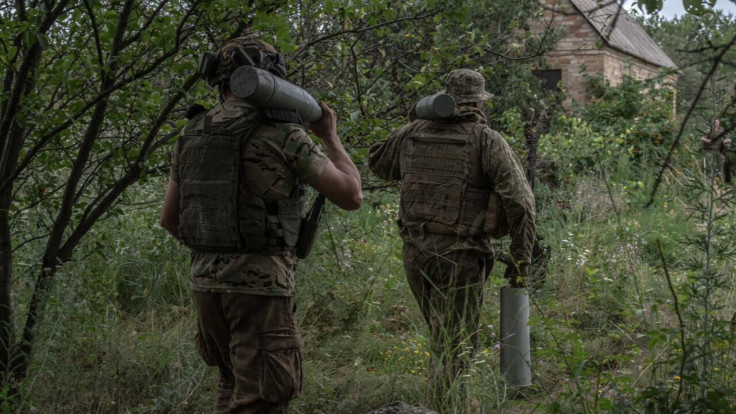
Russian families are turning to AI-generated videos to recreate moments with loved ones killed or missing in the Ukraine war, creating digital versions of soldiers that critics say risk becoming a disturbing illusion. The technology, which has spread across Russian social media since mid-2025, allows relatives to animate photographs of deceased family members and create fictional reunions, farewell messages, and scenes of soldiers returning home.
The trend has grown as thousands of Russian families continue to deal with the consequences of the war in Ukraine, where many servicemen have been killed or remain missing.
However, at the same time, the videos have become a controversial part of the discussion over whether artificial intelligence can help people process grief or make it harder to accept loss.
AI Videos Create Digital Returns For Russian Soldiers
One widely shared example featured a snowy Moscow street filled with AI-generated billboards declaring that the 'Special Military Operation' had ended and that soldiers were returning home. The clip showed a woman embracing a man in uniform, although the soldier portrayed in the video was based on a serviceman whose fate remains unknown.
Similar AI-generated images and videos have increasingly appeared online, often posted by relatives of Russian soldiers. Many depict servicemen as heroes, protectors or symbolic figures returning to their families. In some cases, soldiers are shown walking towards the sky, surrounded by angels, or embracing loved ones from a fictional afterlife.
For some families, the videos represent a way to create a farewell that they never received. Some have used AI-generated images of deceased relatives at funerals or memorials, while others have commissioned videos showing lost family members speaking or appearing alongside them.
AI creators have offered these services to customers who provide photographs and details about their loved ones. The resulting videos can place people into specific settings, create emotional scenes, and even generate farewell letters appearing to come from those who have died.
However, the practice has also drawn criticism, particularly because many of the videos involve soldiers who died fighting in Ukraine. The war itself is often absent from these portrayals, with the soldiers instead presented as defenders or idealised figures.
AI Grief Technology Raises Ethical Questions
But there's an elephant that needs to be addressed: the AI use.
Katarzyna Nowaczyk-Basińska, a researcher at the University of Cambridge's Leverhulme Centre for the Future of Intelligence, said the use of digital recreations of deceased soldiers raises difficult ethical questions.
'Creating "deadbots" of Russian soldiers or deepfakes of fallen Russian soldiers returning from Ukraine is extremely complex and ethically difficult to assess in a clear-cut way,' she said.
The researcher added that little is currently known about the long-term psychological effects of using AI in the grieving process. While some people say the videos provide comfort, others describe them as a temporary escape that does not change the reality of losing someone.
One woman who commissioned AI content featuring a deceased loved one told the BBC that the technology could not help her accept that she would never see him again. 'It's an illusion,' she said.
Others have found meaning in the videos despite knowing they are artificial. One Russian woman wrote online that AI had allowed her to feel close to her husband again, nearly two years after his death.
The popularity of the videos has also created a commercial industry. AI creators in Russia reportedly charge between 200 roubles and 10,000 roubles for military-themed images and videos. Some creators have claimed to earn significant monthly incomes from producing this type of content.
Critics have accused some creators of profiting from grief, while supporters argue they are providing a service to people struggling with loss.
© Copyright IBTimes 2026. All rights reserved.
- Recommended For You


