Trump Debanking Lawsuit Backfires After Capital One Court Filing Reveals Anti-Money-Laundering Concerns
Court filing from Capital One claims the bank closed hundreds of Trump-linked accounts
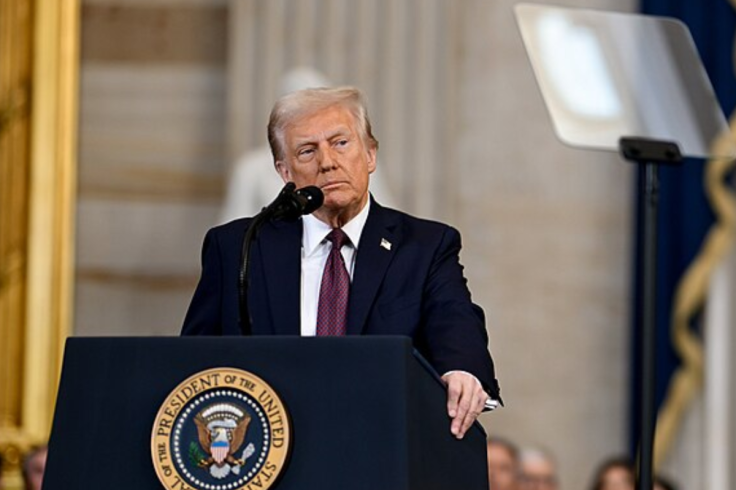
Donald Trump has come under renewed scrutiny after Capital One filed court documents claiming that anti-money-laundering concerns, rather than political bias, were the real reason it closed more than 300 bank accounts connected to the Trump Revocable Trust in 2023.
The filing, submitted in a federal court in Florida, directly challenges Trump's long-standing claim that the closures were politically motivated, adding another legal twist to the ongoing dispute between the president and one of the country's largest banks.
Capital One Says Compliance Review Led to Account Closures
According to Capital One's latest filing, the decision to close the accounts followed months of review by the bank's anti-money-laundering team and compliance professionals. The bank argued that its internal investigation identified risks that justified ending its banking relationship with the Trump Revocable Trust.
The trust, which reportedly oversees more than 400 entities, is said to have held over 300 accounts with Capital One before the closures took effect. Court documents state that the bank gave the trust several months to move its banking business elsewhere and even granted extensions before the accounts were finally shut down.
Capital One also argued that it never publicly disclosed the reasons behind its decision until the ongoing litigation required the bank to respond in court. In its filing, the bank maintained that the closures resulted from established compliance procedures rather than any political considerations.
The filing forms part of Capital One's latest attempt to persuade the court to dismiss Trump's lawsuit, after previous versions of his complaint were rejected.
Trump Continues To Argue the Decision Was Political
Trump's legal team has consistently claimed that Capital One terminated the accounts because of political discrimination following the events surrounding 6 January 2021.
According to the lawsuit, the Trump Revocable Trust argues that the bank acted because of political pressure rather than legitimate financial concerns. Trump has also criticised what he describes as the 'debanking' of conservative figures and previously signed an executive order aimed at addressing politically motivated account closures.
However, Capital One rejected those allegations in its latest filing, arguing that Trump's complaint relies on broad accusations while overlooking the bank's documented compliance process.
The bank further noted that the account agreements signed by customers gave Capital One the contractual right to close accounts.
Court Filing Highlights Anti-Money-Laundering Process
The bank explained that anti-money-laundering teams routinely examine unusual deposits, withdrawals, wire transfers and transaction patterns to ensure financial institutions comply with 'Know Your Customer' rules and other legal obligations.
According to the filing, the review of the Trump linked accounts involved months of analysis by experienced compliance professionals. Capital One argued that the transaction patterns raised concerns consistent with recognised anti-money-laundering guidance.
The court documents also state that the Trump plaintiffs have not identified facts showing that any explanation they could have offered would have changed the bank's decision.
Although the filing references concerns identified during the review, it does not accuse Trump or his family of committing money laundering offences. Instead, the bank argues that financial institutions are required to act whenever compliance reviews identify potential risks, regardless of whether criminal wrongdoing is ultimately established.
© Copyright IBTimes 2026. All rights reserved.
- Recommended For You