

Nazca Lines Flights Grounded Over Dangerous Winds One Day Before Crash Killed 13
Fatal crash of sightseeing plane sparks investigation into safety and weather conditions
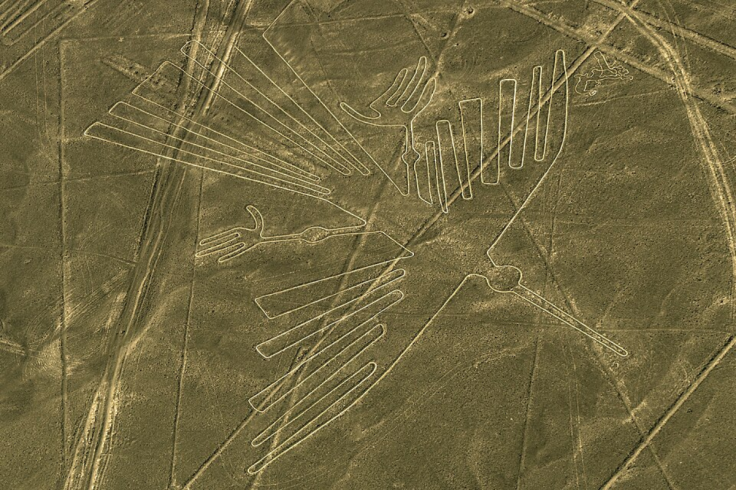
Tourist flights over Peru's Nazca Lines were suspended because of dangerous winds and reduced visibility just one day before a sightseeing plane crashed, killing all 13 people on board.
The Aerodiana Cessna Caravan C-208 was carrying 11 European tourists and two Peruvian crew members when it crashed near the city of Nazca on Saturday. The aircraft caught fire after hitting the ground, leaving no possibility of rescuing those inside.
Peruvian authorities are investigating the cause of the disaster. Officials have not established whether wind, visibility or any other weather condition contributed to the crash.
Flights Suspended Before Fatal Crash
Flights departing from Maria Reiche Airport for tours over the Nazca Lines were grounded on Friday after winds exceeded 40kph.
The strong winds stirred up dust across the desert and reduced visibility. Two aircraft already carrying tourists were reportedly forced to divert to Marcona Airport because of the conditions.
One carried two Peruvian tourists, while the second was transporting six foreign visitors. Both reportedly landed safely.
The fatal Aerodiana flight took off the following day from Pisco Airport, not Maria Reiche Airport. This distinction is important because authorities have not said that the aircraft departed under the same weather restrictions imposed at the other airport on Friday.
Investigators have also not confirmed what the weather was at the time of Saturday's crash.
Crew Reported Emergency Before Contact Was Lost
Peru's Ministry of Transport and Communications said the aircraft departed Pisco at approximately 12:10 p.m. local time.
At around 1:00 p.m., the crew reported an emergency to the control tower at Nazca Airport. Radio contact with the plane was then lost.
The aircraft crashed in the Socos area, approximately six kilometres from the city of Nazca and about 19 kilometres from the archaeological site.
Footage circulated online showed smoke rising from the wreckage on the dry desert terrain. Firefighters and municipal police were dispatched, but the fire made a rescue impossible.
Authorities confirmed that the passengers included seven Italians aged between 18 and 54, two Spanish nationals aged 52 and two Germans aged 77 and 78.
The pilot was identified as Américo Salazar, while the co-pilot was named as Irenka Guanilo del Carpio.
Investigation Focuses on Unanswered Questions
The Directorate General of Civil Aeronautics and Peru's aviation accident investigation authorities are expected to examine the aircraft's maintenance history, flight data, communications and weather conditions.
Investigators will also seek to determine the nature of the emergency reported by the crew shortly before contact was lost.
Aerodiana has operated sightseeing trips over the Nazca Lines for approximately 14 years using Cessna Grand Caravan aircraft. The airline said it would review its flight schedule in accordance with instructions from aviation authorities.
Peruvian President Keiko Fujimori expressed condolences to the victims' families and said a temporary airport suspension was being considered while officials awaited initial reports.
Safety Questions Surround Popular Tourist Flights
The Nazca Lines attract approximately 100,000 visitors each year. The vast geoglyphs, carved into the desert hundreds of years ago, depict animals, plants and geometric shapes that are best appreciated from the air.
The latest disaster is likely to renew scrutiny of the safety of the small aircraft used for sightseeing tours.
However, the previous day's flight suspension does not prove that dangerous winds caused Saturday's accident. The grounded flights departed from a different airport, and no official findings have yet connected the two events.
Until investigators publish their conclusions, the reason the Aerodiana aircraft issued an emergency call and crashed remains unknown.
© Copyright IBTimes 2026. All rights reserved.
- Recommended For You


