

Who Is Max Pemberton? NHS Psychiatrist Who Challenges Tenet That ADHD Is a Medical Condition
Max Pemberton challenges conventional ADHD views in new documentary
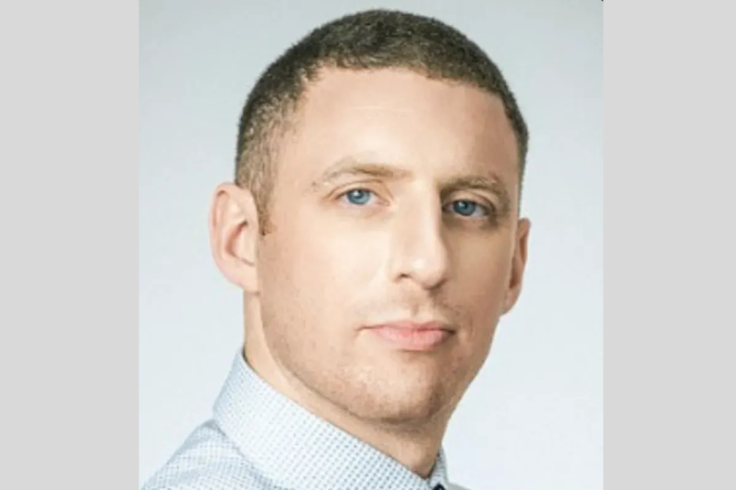
Channel 4 released a controversial documentary titled 'The Great ADHD Myth?' on Tuesday, 18 August, and immediately sparked fierce debate. At the centre of the issue is Max Pemberton, a psychiatrist in the National Health Service and a tabloid columnist.
The documentary's synopsis reads: 'Psychiatrist Max Pemberton takes on conventional thinking on ADHD. Is it really a neurodevelopmental disorder? Has modern life contributed to rising diagnoses? And for kids, is medicating the answer?' Pemberton's willingness to challenge established medical consensus has made him a polarising figure, and the documentary has intensified scrutiny of his views.
Who Is Max Pemberton?
Pemberton is the main presenter for the documentary. 'As a psychiatrist, I've watched ADHD go from a diagnosis that was only occasionally made and after careful assessment, to one that is increasingly demanded and dispensed, and I wanted to understand why,' Pemberton said on his motivation to question accepted notions regarding attention-deficit/hyperactivity disorder.
He grew up in humble beginnings in London. His family wasn't keen on him becoming a doctor due to the cost of medical school. So, Pemberton started working as a journalist to support himself. He later wrote in a journal: 'I was self-financing my study, but in the first year, I was already running out of money. I was going to have to give up medical school.'
A Record of Controversial Claims
In recent years, Pemberton has made what he described as 'clinical speculations' about celebrities and other public figures. He theorised that the late professor Jason Arday had pseudologia fantastica (compulsive or pathological lying). He also made several personality analyses of Meghan Markle. These commentaries have drawn criticism and reinforced Pemberton's reputation for courting controversy.

The documentary featured contributions from other medical professionals. Dr. Iona Heath, former president of the Royal College of General Practitioners, made a declaration about ADHD: 'It's certainly not a medical condition as far as I'm concerned.'
Dr. Sami Timimi, a child and adolescent psychiatrist, raised the question of who would benefit from ADHD as a medical condition that would need medication. 'These are controlled drugs,' he said. 'There's a good reason why we warn the rest of the population... Who benefits from the increase in diagnoses we have seen in the past decade or so?'
Pemberton himself added: 'What I discovered about ADHD medication shocked me and changed the way I practise. I'm deeply concerned patients are not being told the full story.'
ADHD UK Reacts to the Documentary
ADHD UK, a charitable organisation run by and for people with ADHD released a statement following the release of the documentary: 'ADHD is not a myth. It's not a social construct.' The organisation also said that it has already complained to Ofcom about the documentary and would make a formal submission with impact data soon.
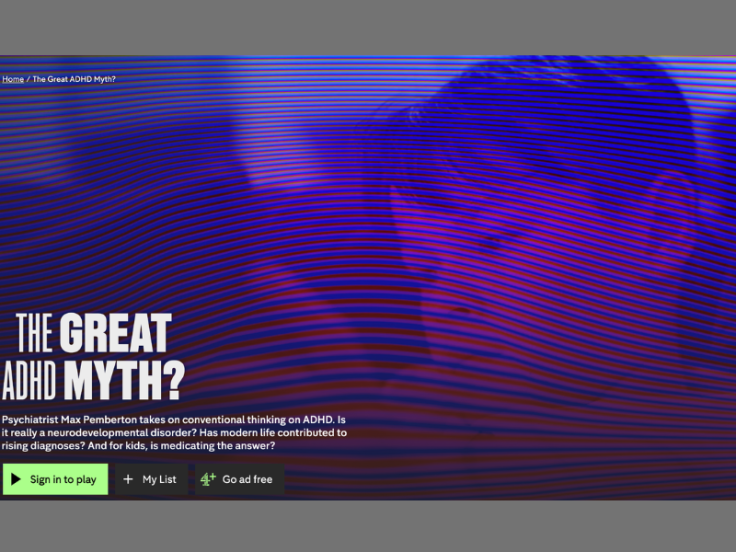
The NHS, where Pemberton works, recognises that medication is one of the ways to manage ADHD, as long as it is monitored properly and accompanied by familial support, proper lifestyle and therapy.
Pemberton recognised that people seeking ADHD diagnosis are struggling. However, he is challenging the notion that ADHD is the best explanation for the behavioural issue. 'What the film asks is whether ADHD is really the best explanation for that struggle, and my hope is that we come away with permission to ask better questions about what modern life is doing to all of us,' he said.
© Copyright IBTimes 2026. All rights reserved.