Trump Faces Fury Over Claims National Park Fees Were Diverted to Gold-Plated Statues in Washington
Claims of redirected park fees spark political backlash amid economic concerns
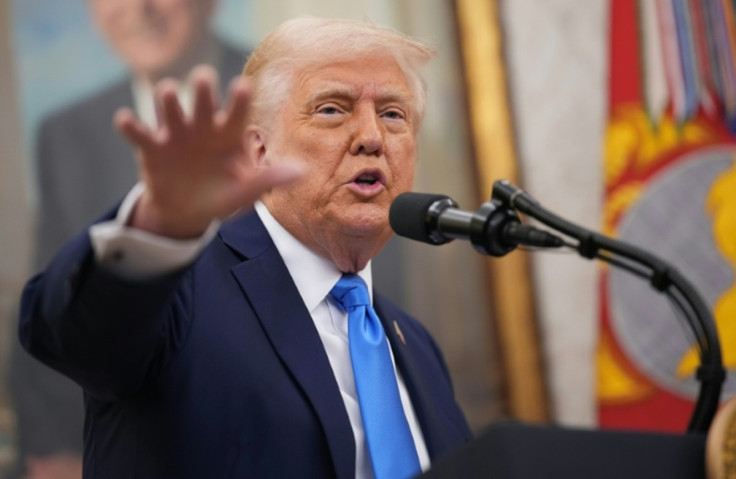
Visitors paying entrance fees at America's national parks likely imagined their money would help repair trails, protect wildlife, and preserve historic landmarks. Instead, explosive new claims suggest that nearly £49 million ($67 million) from National Park Service funds may have been redirected into flashy projects in Washington.
Among the most striking allegations are gold-plated equestrian statues and expensive renovations near the Lincoln Memorial. The controversy has ignited debate over whether public money meant for protecting nature has instead been channelled into decorative displays designed to elevate political image.
Park Money Allegedly Ended Up In Washington
Reports circulating this week – including discussion by commentator Dave Neal on his YouTube show – claim the Trump administration approved the transfer of roughly £49 million ($67 million) from National Park Service entrance fees into several Washington renovation projects. One of the most controversial involves the refurbishment of the Lincoln Memorial Reflecting Pool, which critics say has already exceeded its original budget.
The administration is also facing scrutiny over claims that millions more were used to rapidly cover four enormous bronze horse statues with thick 23.75-carat gold leaf. Combined with additional beautification efforts around Washington, the overall spending tied to the projects is believed to have climbed to nearly £73 million ($100 million).
Critics argue the spending directly contradicts the original purpose of national park fees, which are typically used for conservation work, park maintenance, visitor facilities, and environmental protection. Instead, opponents claim the money was funnelled into decorative projects designed to create a dramatic backdrop for next year's historic celebrations.
Questions are now being directed at Interior Secretary Doug Burgum and the Department of the Interior, which reportedly approved several of the transfers connected to the projects.
Public Backlash Intensifies
The controversy has landed during a particularly sensitive economic moment for many Americans. Rising fuel costs, inflation, and slowing economic growth have already placed financial strain on households across the country.
For critics, the image of gold-plated statues appearing in Washington while ordinary families struggle to afford groceries and petrol has become politically damaging. Online reaction has been swift, with many commentators describing the projects as disconnected from the reality facing working Americans.
Several critics compared the renovations to luxury resort aesthetics rather than historical preservation. Others questioned why public money appeared to be flowing into decorative upgrades while many national parks continue to battle staffing shortages, deteriorating infrastructure, and delayed repairs.
Economic concerns have only added fuel to the backlash. Recent reports showing weaker-than-expected GDP growth have intensified frustration among voters who believe the administration should be prioritising inflation and living costs over symbolic construction projects.
The Wider Debate Around Trump's Public Image
The gold statue controversy arrives as another unusual proposal linked to Trump continues to dominate headlines: a suggested £183 ($250) commemorative bill featuring the president's portrait during America's 250th anniversary celebrations.
The proposal has triggered fierce political debate because living presidents have historically not appeared on American currency. Treasury officials faced repeated questioning about the idea during recent media briefings, though no formal confirmation has been issued.
The proposed banknote and the lavish Washington renovations appear connected to a wider effort to place Trump's image at the centre of the country's anniversary celebrations. Supporters, however, argue the projects represent patriotic tributes designed to showcase American pride during a major historical milestone.
Administration allies insist the beautification programme is intended to prepare Washington for international visitors and large-scale events expected during the celebrations. They also argue that both federal and private funding sources are supporting the broader initiative.
Still, opponents remain unconvinced, especially as details continue to emerge regarding the use of national park revenue.
Questions Over Legality Continue
Despite mounting criticism, major questions remain unanswered. Government watchdog groups and legal analysts are now examining whether redirecting National Park Service funds towards decorative federal projects fully complies with spending regulations.
Some experts note that federal agencies may possess flexibility in reallocating certain funds. However, they also warn that the political fallout could prove severe, particularly if voters increasingly view the projects as symbols of government excess during economic hardship.
Environmental groups have also raised concerns that America's national parks could suffer long-term consequences if critical maintenance budgets continue shrinking while high-profile projects in Washington receive priority funding.
Work on the renovations appears to be continuing at full speed as preparations for the 250th anniversary move ahead. Yet what was intended to symbolise national celebration has instead become a growing political storm.
© Copyright IBTimes 2026. All rights reserved.
- Recommended For You