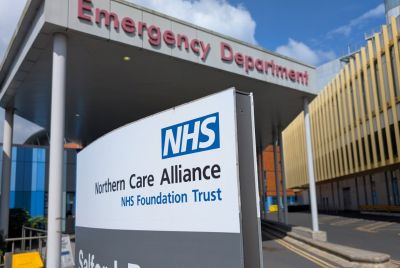
NHS Heatwave Crisis: Hospitals Declare Critical Incidents as Scanners, IT Systems and Cancer Machines Fail
Heatwave causes equipment failures and service disruptions in NHS hospitals across England

Several NHS hospitals declared critical incidents after extreme heat disrupted MRI scanners, cancer treatment machines and IT systems, forcing trusts to reorganise services as temperatures climbed across England.
The disruption comes as much of the country experiences one of its hottest spells of the year. NHS trusts have warned that ageing buildings and cooling systems are struggling to cope, raising concerns about patient care as demand for emergency treatment increases.
Equipment Failures Disrupt Patient Care
Hospitals across England reported equipment failures linked to the heat.
Queen Alexandra Hospital in Portsmouth experienced cooling problems that affected clinical services and digital systems. Norfolk and Norwich University Hospital temporarily lost MRI scanning capacity after equipment overheated. Other trusts also reported disruption affecting radiotherapy services.
Several NHS trusts declared critical incidents to protect patient safety while engineers worked to restore essential services.
The disruption extends beyond hospital operations.
MRI scanners are used to diagnose strokes, cancers and other serious illnesses. Radiotherapy equipment is essential for many patients receiving scheduled cancer treatment. IT outages can also delay access to medical records, diagnostic imaging and laboratory results.
What Does a Critical Incident Mean?
A critical incident is declared when a hospital cannot safely operate under normal conditions because of exceptional pressure or infrastructure failures.
The designation allows NHS trusts to redirect staff, postpone non-urgent appointments and prioritise emergency care while technical problems are addressed.
Emergency departments remain open, but some planned procedures, scans and outpatient appointments may be delayed until services stabilise.
Heat Is Putting Extra Pressure on Hospitals
The hot weather has increased demand for NHS services as more people seek treatment for dehydration, heat exhaustion and other heat-related illnesses.
Older adults, young children and people with existing medical conditions are among those most at risk during periods of prolonged high temperatures.
The combination of rising patient numbers and equipment failures has placed additional pressure on hospitals already operating with limited capacity.
Britain's Hospitals Were Built for a Different Climate
Many NHS hospitals were designed decades ago, when prolonged periods of extreme heat were far less common.
Older buildings often rely on ageing ventilation systems or limited air conditioning. High temperatures can also affect sensitive medical equipment, including MRI scanners, radiotherapy machines and hospital server rooms, even when power supplies remain stable.
Health leaders have repeatedly said that much of the NHS estate was not designed for sustained periods of extreme heat, making hospitals increasingly vulnerable during hotter summers.
Forecasts and Next Steps
Met Office forecasters expect hot conditions to persist across parts of England, meaning some hospitals could remain under pressure if temperatures stay high.
NHS trusts are working to restore cooling systems, inspect affected equipment and minimise disruption to patient care. Engineers are also assessing affected infrastructure before services fully return to normal.
The latest disruption has renewed debate over whether enough investment has been made to modernise NHS buildings for a changing climate. As periods of extreme heat become more frequent, health leaders say improving the resilience of hospitals and critical medical equipment will become increasingly important.
© Copyright IBTimes 2026. All rights reserved.
- Recommended For You