France Heatwave Drowning Crisis Raises a Chilling Question: Could UK Be Next?
France's tragedy is becoming a cautionary tale as Britain experiences its own extreme weather
France's deadly heatwave has triggered a growing water safety crisis, with at least 40 people drowning in less than a week as record temperatures pushed thousands toward rivers, lakes, reservoirs and unsupervised beaches.
The deaths, reported between 18 June and 23 June, came as much of France endured temperatures above 40°C and authorities issued red-alert heat warnings across large parts of the country.
The tragedy has also raised concerns in Britain, where a parallel heatwave is driving crowds to open-water swimming spots and prompting experts to warn that the UK could face a similar surge in drowning deaths if safety advice goes ignored.
France's Heatwave Turns Deadly In The Water
French authorities say most of the victims drowned while attempting to cool off during the country's extreme early-summer heatwave.
According to reports, many victims entered rivers, canals, reservoirs and coastal areas that lacked lifeguard supervision, while others underestimated dangerous currents or the effects of cold water.
Prime Minister Sébastien Lecornu described the rising death toll as a 'tragic scourge' and chaired an emergency meeting as officials urged people to swim only in monitored locations.
The drowning deaths occurred alongside other heat-related fatalities, including elderly people suffering from heat stress and reports of young children dying after being left in hot vehicles.
Similar Conditions Are Emerging Across The UK
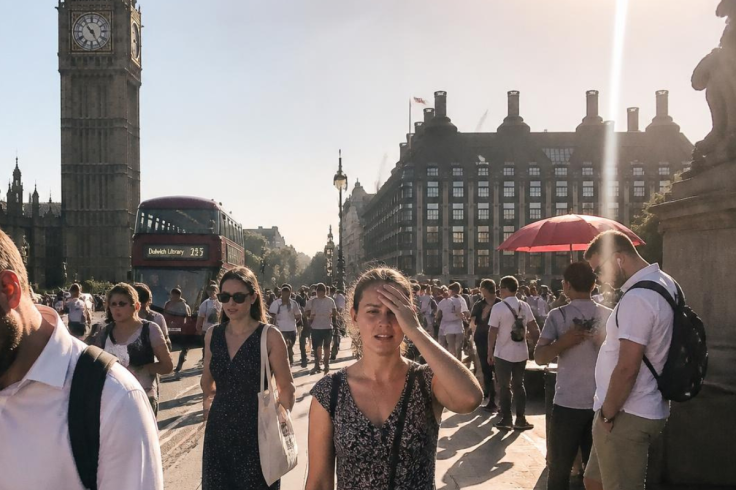
The developments in France have drawn attention because Britain is experiencing many of the same weather conditions.
Large parts of England have been under heat warnings, with temperatures reaching between 35°C and 39°C in some areas during June.
Recent figures already suggest the danger is real. During earlier warm spells in May, at least 15 people reportedly drowned in UK rivers, lakes and reservoirs, including several children and teenagers.
Water safety organisations, including the RNLI and Royal Life Saving Society UK, have issued repeated warnings as more people head to beaches, rivers and inland swimming locations to escape the heat.
Cold Water Shock Remains The Biggest Hidden Threat
Experts say many heatwave drownings occur because people focus on air temperatures rather than water temperatures. While temperatures on land may exceed 35°C, rivers, lakes and reservoirs often remain between 10°C and 16°C.
Sudden immersion can trigger cold water shock, causing involuntary gasping, rapid breathing and panic. Even strong swimmers can become disoriented within seconds.
Researchers have found that drowning risks rise significantly during hot weather, with some studies suggesting a 7% increase in incidents for every 1°C rise in daily maximum temperature.
Young males and teenagers remain among the highest-risk groups, particularly when alcohol, peer pressure or overconfidence are involved.
Open-Water Safety Relies On Personal Responsibility
Unlike some countries, the UK does not have a single national law governing recreational open-water swimming.
Instead, safety relies on a combination of local rules, landowner responsibilities and public guidance.
Authorities generally encourage swimmers to choose supervised locations, enter water gradually, avoid alcohol and never swim alone. Campaigns such as the RNLI's 'Float to Live' initiative aim to teach people how to respond if they unexpectedly find themselves struggling in cold water.
Meanwhile, the French crisis reflects a broader trend being seen across Europe.
Meteorologists note that climate change is making heatwaves more frequent, more intense and increasingly likely to arrive earlier in the year.
That combination creates what experts describe as a dangerous mismatch: soaring air temperatures encouraging swimming while many outdoor water locations remain cold and largely unsupervised.
For Britain, the warning from France is becoming difficult to ignore.
© Copyright IBTimes 2026. All rights reserved.
- Recommended For You