

Delhi's NEET Protest: Indian Teen May Lose Eye From Alleged Pellet Gun Injury, Police Deny Any Use
Teen's family say doctors warned he has only a 1% chance of regaining vision
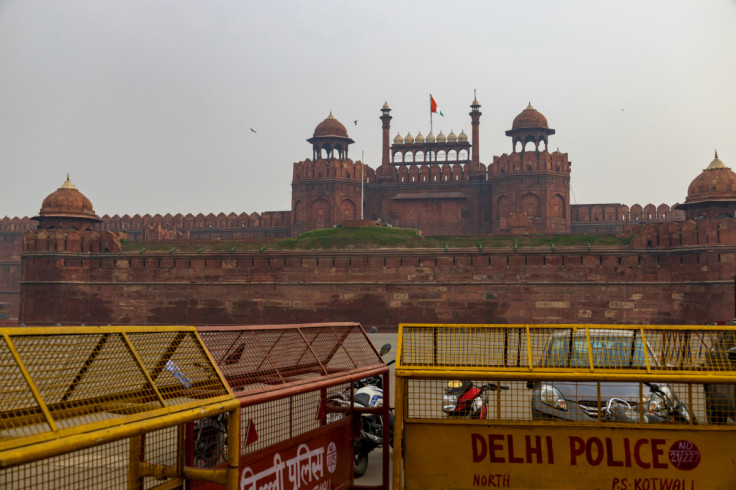
A 19-year-old student injured during the 20 July NEET-linked protest march to Parliament in New Delhi could permanently lose vision in his right eye, according to his family, who allege he was struck by pellets during police action.
The incident occurred amid clashes between protesters and security personnel near Jantar Mantar, with doctors reportedly giving the teenager only a one per cent chance of regaining sight.
While hospital sources have indicated pellet injuries, Delhi Police have firmly denied using pellet guns, calling such claims false. The controversy has intensified scrutiny over the handling of the demonstration and the use of force against protesters.
Teen Faces Possible Loss of Eyesight
Sahil Lochab, 19, a resident of Najafgarh and a student at Delhi University's School of Open Learning, underwent surgery at the AIIMS Jai Prakash Narayan Apex Trauma Centre to remove metal pellets lodged in his right eye.
Pellet gun shots. Pallet guns are part of RAF gear working in coordination with the Delhi Police.
— Mohammed Zubair (@zoo_bear) July 22, 2026
Here's one more video. https://t.co/XHC1B1q3pM pic.twitter.com/qi89QsCpfK
His mother, Jyoti, said doctors informed the family that damage to the pupil meant there was only a 'one per cent chance' of restoring his vision. A second surgery is expected in the coming days to assess whether any eyesight can be saved.
Lochab had joined the Cockroach Janta Party's (CJP) 20 July march to Parliament, which was organised over education-related demands, including concerns surrounding NEET.
Family Alleges Pellet Gun Injury as Police Reject Claims
Lochab's family maintains he was struck directly in the eye by pellets during the clashes. A hospital source also confirmed that his injuries were consistent with metal pellets rather than plastic projectiles.
However, Delhi Police have categorically denied deploying pellet guns during the protest. In a statement, the force said it neither possesses nor uses pellet guns and urged the public not to circulate 'false and misleading' information. The Press Information Bureau's fact-check unit has similarly rejected claims that Delhi Police used pellet guns during the demonstration.
Despite the denial, multiple injured protesters have alleged suffering pellet wounds, with some medico-legal records reportedly referring to pellet injuries.
Several Protesters Report Similar Injuries
Lochab is not the only protester requiring surgery. Shaikh Irshad Mansoori reportedly underwent an operation at Lady Hardinge Medical College after sustaining facial injuries from a metal pellet, while another protester alleged that pellets struck his face, chest and shoulder during the unrest.
One 25-year-old protester told media that he initially believed only tear gas was being used before experiencing what he described as 'hot metal' piercing his back and elbow. He claimed hospital documents recorded pellet wounds following treatment. There are also reports that a journalist for Outlook Media has also sustained similar injuries.
Security at the protest included personnel from the Rapid Action Force (RAF), a specialised anti-riot unit of the Central Reserve Police Force (CRPF), alongside Delhi Police. The CRPF has not publicly responded to allegations regarding pellet gun use.
Questions Grow Over Crowd-Control Tactics for Protest
The incident has fuelled wider concerns over crowd-control methods used during the 20 July demonstration. Pellet guns, commonly associated with security operations in Jammu and Kashmir, have rarely been reported in crowd-control situations in the national capital.
Meanwhile, the Delhi High Court has directed authorities to preserve all available video footage from the protest as investigations continue. With conflicting accounts from protesters, hospital sources and police, the circumstances surrounding the alleged pellet gun injuries remain under intense scrutiny.
The incident has become one of the most contentious aspects of the Delhi NEET protest, raising broader questions about policing standards, accountability and the use of force during public demonstrations.
© Copyright IBTimes 2026. All rights reserved.