

Police Block Roads, Metro to Stop Peaceful March Over Paper Leak Scandal: Is the Indian Government Scared?
Students protesting the NEET paper leak scandal faced barricades
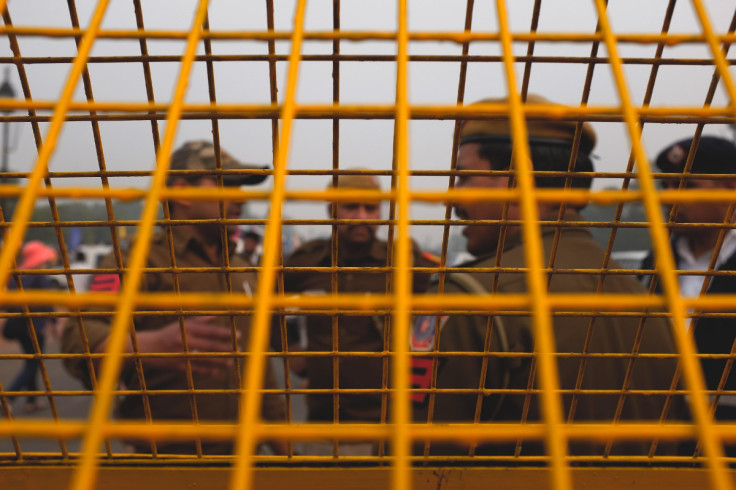
Heavy security, roadblocks, and Metro station closures marked central Delhi on Monday as police moved to stop a march organised by the Cockroach Janata Party (CJP) over the NEET-UG paper leak controversy and other examination scandals.
The protest, held during Parliament's Monsoon Session, was aimed at demanding accountability over alleged exam irregularities that have affected millions of students.
According to reports, authorities said restrictions were imposed for security reasons, while organisers and opposition leaders accused the government of suppressing peaceful dissent.
Crackdown Halts Parliament March
Delhi Police deployed the Rapid Action Force (RAF), erected barricades around central Delhi and restricted access to Parliament ahead of the planned march. The Delhi Metro Rail Corporation (DMRC) also shut Janpath, Rajiv Chowk, Patel Chowk, Central Secretariat and Seva Teerth stations, citing security concerns. These are the prominent stations which connected Central Delhi and were especially closest to the protest site from where the march was supposed to commence.
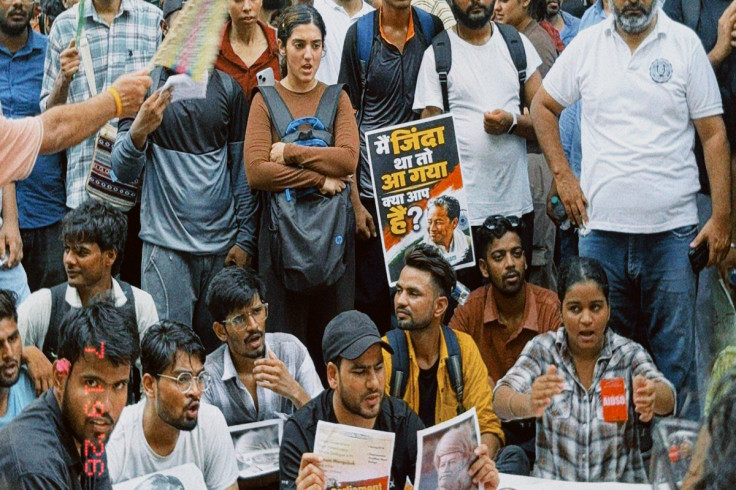
Protesters attempting to move towards Parliament were stopped near Kerala Bhavan, where police used lathis after demonstrators allegedly tried to breach barricades. Mobile internet services were also suspended in parts of central Delhi following the clashes.
Police said no permission had been granted for the Parliament march and noted that prohibitory orders under Section 163 of the Bharatiya Nagarik Suraksha Sanhita (BNSS) remain in force across New Delhi, except at the designated protest site at Jantar Mantar.
Why Students Are Protesting
The march stems from growing anger over the NEET-UG 2026 paper leak scandal, which has shaken confidence in India's competitive examination system.
However, most importantly, around 20 students reportedly died by suicide in India during the controversy, and their parents, along with the supporters, are demanding accountability. Along with accountability, people are also demanding the resignation of India's education minister, something that has been a point of contention since the movement began.
Investigators are probing allegations that question papers were leaked through organised networks involving middlemen, coaching centres and corrupt officials. According to reports, similar concerns have also emerged around UGC-NET, CSIR-NET and several state recruitment examinations.
More than 2.4 million students sat the NEET-UG examination, with many demanding re-examinations, stricter safeguards and faster action against those responsible. Multiple petitions linked to the alleged paper leaks are currently being heard before the Supreme Court and various high courts.
Who Is the Cockroach Janata Party?
The Cockroach Janata Party, or CJP, emerged as a student-led campaign calling for greater transparency in public examinations after repeated allegations of paper leaks and recruitment irregularities. The group, which was founded by Abhijeet Dipke, who is also a student of Boston University, says it was formed to unite students affected by examination scandals and push for reforms in the testing system.
For Monday's demonstration, organisers described the Parliament march as a peaceful attempt to seek accountability from the government and education authorities over what they call a systemic failure to protect the integrity of national examinations.
The protests gathered further momentum after climate activist Sonam Wangchuk joined students in an indefinite hunger strike, which lasted for more than 20 days.
On Friday, Wangchuk was forcibly removed from the protest site and admitted to Delhi's Safdarjung Hospital for medical intervention, according to authorities. His removal drew criticism from protesters and opposition leaders, who said the move intensified public anger and strengthened calls for Monday's Parliament march.
Government, Opposition React
The government has acknowledged irregularities in parts of the examination process and announced reforms, while investigations by the Central Bureau of Investigation (CBI) continue in several states.
Opposition leaders, including Aam Aadmi Party figures Manish Sisodia, Atishi and Sanjay Singh, joined protesters after climbing over police barricades. They criticised the security measures, arguing students should be allowed to demonstrate peacefully.
The latest developments suggest dialogue may still be possible. CJP spokesperson Saurav Das, who was escorted away by police during the protest, briefly told reporters that 'talks are going on.' According to the organisation, government representatives reached out during the protest to begin discussions.
While protests continue in several cities, the examination paper leak scandal remains one of the biggest political and educational controversies facing the government, with students insisting their demand is simple: restore trust in India's examination system.
© Copyright IBTimes 2026. All rights reserved.