

Trump Admin Redefines Green Cards To Push Legal Visa Holders Out of the Country
USCIS guidance increases scrutiny on adjustment of status applications, affecting over a million pending applicants.
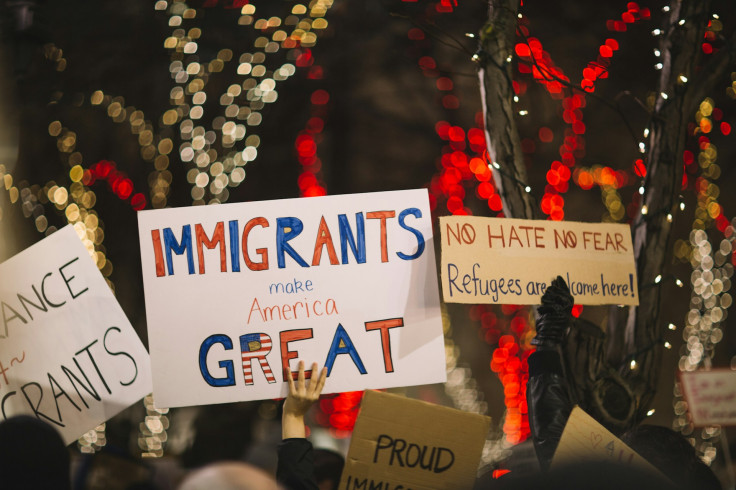
A new Trump administration memo has made the path to a green card more difficult for legal visa holders already living in the United States, turning a long-established immigration pathway into one subject to greater scrutiny. The six-page guidance issued by US Citizenship and Immigration Services (USCIS), signed on 21 May and published the following day, could affect more than a million pending applicants and has already drawn criticism from former immigration officials, business groups and lawmakers.
1* The new USCIS adjustment of status memo applies to these groups of immigrants.
— AK Poku Law, PLLC (@greencard1awyer) June 1, 2026
✅ Watch the video to learn more.
***
On May 29, 2026, DHS clarified that most immigrants will not need to leave the United States to obtain a green card and pic.twitter.com/Joy6ivD9Xr
The Department of Homeland Security outlined the policy in blunt terms on X, saying temporary immigrants seeking permanent residency should return to their home countries and apply through US consulates. USCIS spokesman Zach Kahler said the guidance is intended to restore the original purpose of temporary visas and reduce the number of people who remain in the country beyond their authorised stay.
Adjustment of Status Faces a Tougher Test
The memo does not change immigration law, but it does alter how officers assess applications for adjustment of status, the process that allows certain visa holders to seek permanent residency without leaving the United States.
Adjustment of status has long been a standard route for eligible applicants. Under the new guidance, however, USCIS describes it as an exceptional form of relief rather than a routine benefit. Officers are instructed to consider whether applicants should instead pursue residency through consular processing abroad.
Rather than simply demonstrating eligibility, applicants may now be expected to show compelling reasons why their cases should be approved from within the United States.
The potential reach is significant. USCIS data shows roughly 1.24 million Form I-485 applications were pending during the third quarter of fiscal year 2025. David Bier of the Cato Institute argued that the guidance could cause substantial disruption for legal immigrants and reflects a broader effort to restrict legal immigration pathways.
Skilled Workers and Families Could Be Affected
The groups most exposed to the policy include skilled workers, international students and family-based applicants already living in the United States.
Visa holders in sectors such as technology, healthcare and finance often rely on adjustment of status when moving from temporary employment to permanent residency. International students who secure long-term jobs after graduation could also be affected. While some visa categories permit dual intent, allowing holders to pursue permanent residency, the memo makes clear that this alone should not weigh heavily in favour of approval.
For employers, the change could complicate hiring and retention plans. Many businesses invest heavily in workers they expect to keep long term, and a less predictable green-card process could make workforce planning more difficult.
Families may face similar uncertainty. Doug Rand, a former senior USCIS official, told CBS News that the policy could make it harder for some US citizens to continue living in the country with spouses who entered legally and later sought permanent residency. Humanitarian parolees admitted under programmes for Ukrainians, Afghans, Cubans and Haitians may also be affected.
Critics Warn of Wider Economic Costs
Former immigration officials and critics in Congress argue that the guidance risks creating uncertainty for both families and employers.
Michael Valverde, a former USCIS official, said the policy could disrupt the plans of hundreds of thousands of people each year, despite many having followed existing immigration rules. Critics also argue that the United States benefits from attracting skilled workers, researchers and professionals who often begin on temporary visas before seeking permanent residency.
California Democrat Ted Lieu framed the issue in broader economic terms, warning that making legal immigration more difficult could encourage highly skilled workers to pursue opportunities elsewhere. Opponents say the policy could ultimately weaken America's ability to compete for global talent.
The administration rejects that interpretation. Kahler said temporary visas are granted for specific purposes and should not automatically become pathways to permanent residence. From the administration's perspective, the guidance restores a distinction between temporary and permanent immigration that has become blurred over time.
A Broader Shift in Immigration Policy
The wider significance of the memo lies in how it changes the standard applied to applicants who are otherwise eligible for permanent residency. Adjustment of status remains available, but officers are being directed to place greater weight on whether applicants should complete the process abroad.
Supporters view the policy as a stricter interpretation of existing law. Critics see it as another step towards narrowing legal immigration pathways used by workers, students and families already established in the United States.
The Trump admin ALSO used this tragedy as an excuse suspended the adjudication of all asylum applications at USCIS (the shooter had been granted asylum in 2025), and declared that being from one of the 39 countries should be a "negative factor" in deciding to grant a benefit.
— Aaron Reichlin-Melnick (@ReichlinMelnick) June 5, 2026
Whether the guidance faces legal challenges or future revisions remains unclear. For now, applicants who once viewed adjustment of status as a predictable route to a green card face a process that gives immigration officials far greater latitude over who remains on that path.
© Copyright IBTimes 2026. All rights reserved.