What Egypt Teaches Travelers About Time, Civilization, and Wonder
Explore Egypt's rich history and culture through its iconic landmarks and the timeless Nile River.
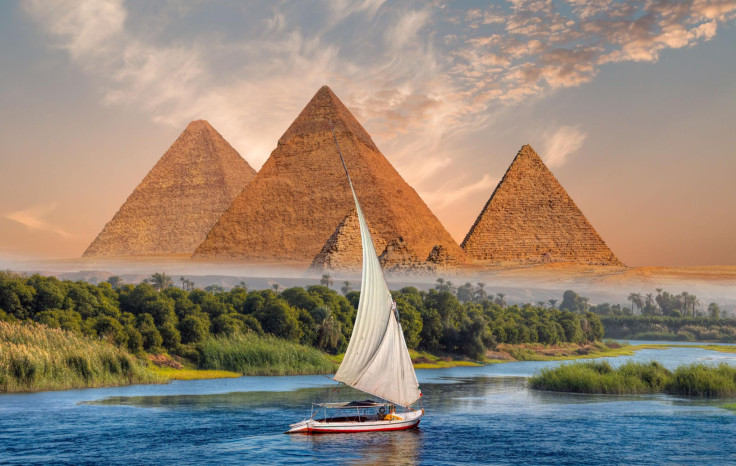
Stay for too long at the foot of the Great Pyramid, and you'll notice something peculiar happening. Four and a half millennia separating the pyramid's construction from now suddenly feel short, almost bridgeable. The ground below your feet has seen more than any empire, religion, and language. Very few places in the world can create that sort of vertigo within an afternoon, even in just one visit.
Egypt rewards visitors who take their time. It punishes those who only see the destination as a series of familiar names and snapshots. It is not a lesson taught by any particular monument in Egypt, but rather through the collective weight of them accumulated over thousands of years around a single, ever-flowing river.
The River That Built a Civilization
Ancient Egyptians may not have chosen the Nile; rather, it is the Nile which had molded their civilization right from the beginning. It was the flooding of the river which would tell the farmers the perfect time for planting and the time when the soil should remain fallow. The banks of the Nile would define where the cities, temples, and tombs would be established, even before man had ever attempted mapping it.
Even today, almost 95% of the population of Egypt continues to live near the Nile, a pattern of dependency which has little changed since the time of the pharaohs. Best Nile cruises follow the same geographical contours at a slow speed, passing by the farmlands which have been cultivated for many generations already and the temples such as Kom Ombo and Edfu which have been constructed in order to honor deities of the very river itself.
The most effective way of understanding the extent to which Egypt's past and its present are entangled with one another can only be possible from the slow-moving decks of a Nile River Cruise ship. Visitors who take the road trip without including the cruise in the itinerary might lose this aspect completely.
Stone Built to Outlast Its Builders
The figures related to the Great Pyramid of Giza are almost beyond comprehension. With about 2.3 million blocks of stone used to construct the pyramid, each one weighing many tons, and the construction being done without any use of cranes or even pulleys over a period of 20 years, engineers to date wonder how it all was made possible.
This is evident in all other monuments constructed by Egyptians, apart from those at Giza. Construction of Karnak Temple took almost two thousand years with each new Pharaoh adding his own structure to it. Similarly, the tombs constructed in Valley of Kings had wall paintings done in such a way that they would act as a guide to the kings as they journeyed towards the next life – sealed away from air and light for thousands of years before being excavated by archaeologists.
Visitors usually have high expectations of magnificence and receive them instantly. The surprise factor here is the accuracy of the architecture; hieroglyphics carved with meticulous care, color paint from the pigments that have survived for thousands of years buried underground, joints in stones fitted together so tightly that not even a piece of paper can be inserted in between. A tour to Egypt arranged through Egypt Tours, accompanied by an Egyptologist guide, normally makes all the difference.
Wonder, Without the Mythology
More than 100,000 pieces of art are in the Egyptian Museum in Cairo, which includes relics taken from the tomb of Tutankhamun in the 1920s. People tend to become hushed when standing before Tutankhamun's golden funerary mask without even realizing what they are doing. This isn't only a phenomenon that occurs in Cairo.
The temples at Abu Simbel were moved piece by piece in the 1960s because of the threat of flooding due to the construction of the Aswan High Dam, almost as impressive a feat as constructing the temples in the first place. Two times per year, the sun rays line up to reach into the heart of the sanctuary, lighting up some of the statues located there.
It can be said unequivocally here that the pyramids were not built by aliens, nor was there any lost civilization of great advancement that built them – as has been suggested in several late night television shows. Instead, they were constructed by skilled workers who lived in nearby villages, who were remunerated in food, beer, and other goods for their efforts. Archeologists have discovered their bakeries, their residential quarters, as well as medical documents that list occupational injuries sustained while on the job.
Seeing It Without Rushing Through It
Travelers who come to Egypt do themselves a disservice by viewing Egypt as nothing more than a string of photographic opportunities crammed into an itinerary. Rushing from one spot to another removes any sense of context from the experience, but the blend of land and river tours allows that connection of context to be drawn between Egypt's past and present – how the land influenced the religious practices, how those religious practices influenced the architecture, and how both continue to impact modern life along the Nile Cruise Vacation.
An effective itinerary includes balancing the "big hitter" destinations, such as Giza, Luxor, and Karnak, against less frenetic segments on the river, allowing travelers a chance to reflect upon what they've experienced. The truth of the matter is, Egypt doesn't need to be enhanced in any way. Travelers just need to see for themselves how the ancient past influences the present day.
© Copyright IBTimes 2026. All rights reserved.
- Recommended For You