Is Donald Trump Easy to Manipulate? John Bolton Warns POTUS Is Too 'Palpably Desperate' Over Iran Deal
Bolton has accused Trump of being 'desperate' for an Iran deal, warning Tehran is exploiting his fixation on claiming a victory and cheaper petrol.

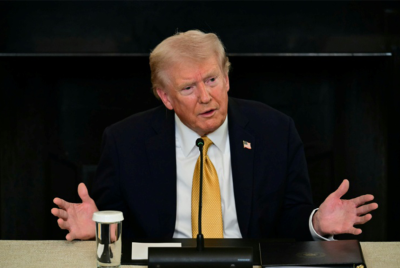
Donald Trump is 'palpably desperate' to secure an Iran deal and is being strung along by Tehran as a result, former national security adviser John Bolton said in a televised interview in Washington on Monday.
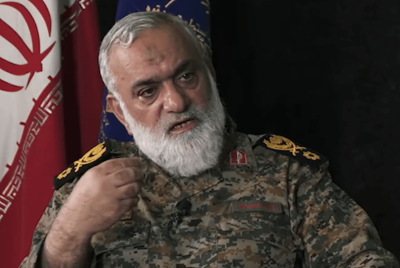
After weeks of on‑off peace talks between the United States and Iran, centred on efforts to calm tensions in the Gulf and prevent a wider conflict, Trump has repeatedly hinted on his social media platform that he is negotiating a new agreement, one he claims would be tougher than Barack Obama's 2015 nuclear deal, formally known as the Joint Comprehensive Plan of Action. That accord sharply curtailed Iran's nuclear programme in exchange for sanctions relief before expiring last year, leaving a vacuum that both Washington and Tehran have been trying to fill on their own terms.
Bolton Says Donald Trump 'Doesn't Understand' Iran's Leadership
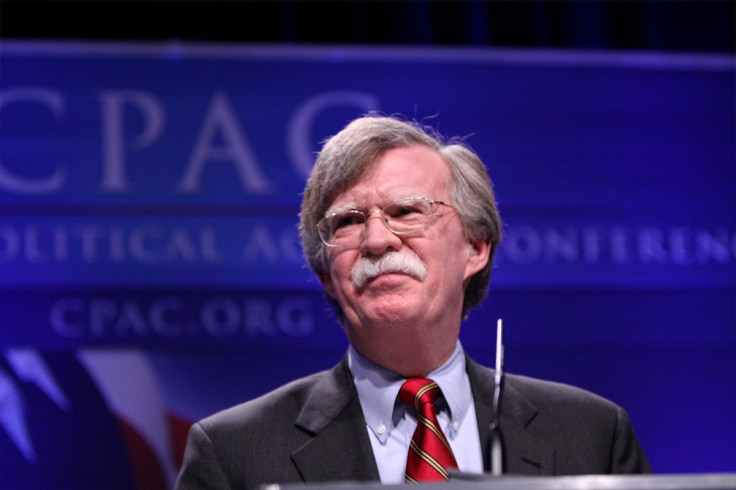
Speaking on CNN's The Lead, Bolton, 77, offered a scathing assessment of Trump's approach to Iran, arguing the President was treating a revolutionary regime as if it were just another business counterpart.
'I don't think the president understands the fanaticism of what's left of the regime and the people who are in power,' Bolton said. In his view, Trump's lifetime spent negotiating deals in the private sector has led him to assume that 'everybody wants to make a deal on just about anything.'
Bolton, a longstanding hawk who advocates what he calls 'peace through strength,' suggested Iran's leadership had identified this as a weakness. 'They can see that Trump is so palpably desperate to have a deal that he can declare to be a victory and that lowers prices of gasoline and they're playing him on that,' he told CNN. 'They're stretching him out. They're buying time. All of that works in their advantage.'
Pertinently, Bolton served as Trump's national security adviser until 2019, when he resigned after repeated policy clashes, including over Iran. Trump announced the departure in characteristically blunt fashion on X, then Twitter, saying he had 'disagreed strongly with many of his suggestions' and had asked for Bolton's resignation. Since then, Bolton has become one of the most prominent Republican critics of Trump on television, increasingly framing him as ill‑suited to manage hard‑line adversaries.
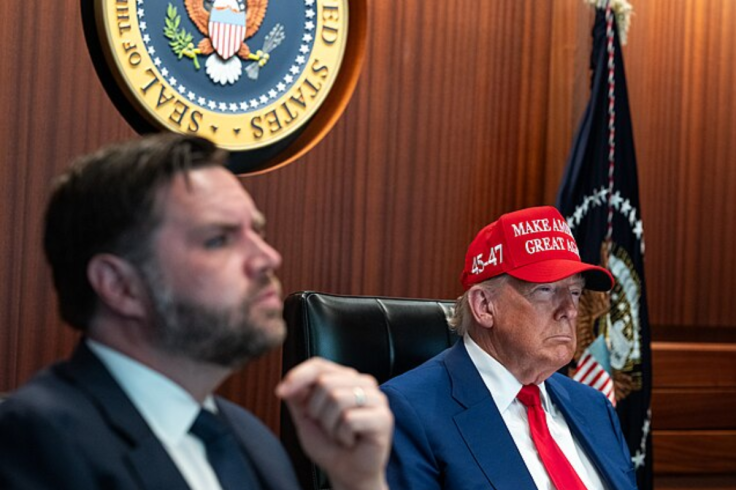
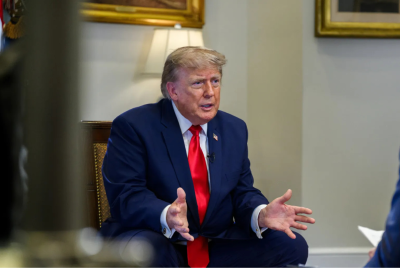
On Sunday, Trump used his Truth Social account to boast about the still‑undefined arrangement he says he is pursuing with Tehran. 'If I make a deal with Iran, it will be a good and proper one, not like the one made by Obama, which gave Iran massive amounts of CASH, and a clear and open path to a Nuclear Weapon,' he wrote, insisting, 'Our deal is the exact opposite, but nobody has seen it, or knows what it is. It isn't even fully negotiated yet.'
Bolton was openly dismissive. 'Look, that's all salesmanship by Trump. He doesn't offer any idea of what the substance is,' said Bolton, who previously served as US ambassador to the United Nations under George W Bush. He argued that the rhetoric was designed to claim credit in advance rather than to explain any verifiable shift in Iran's behaviour.
Military Strikes Undercut Donald Trump's Talk Of A Deal
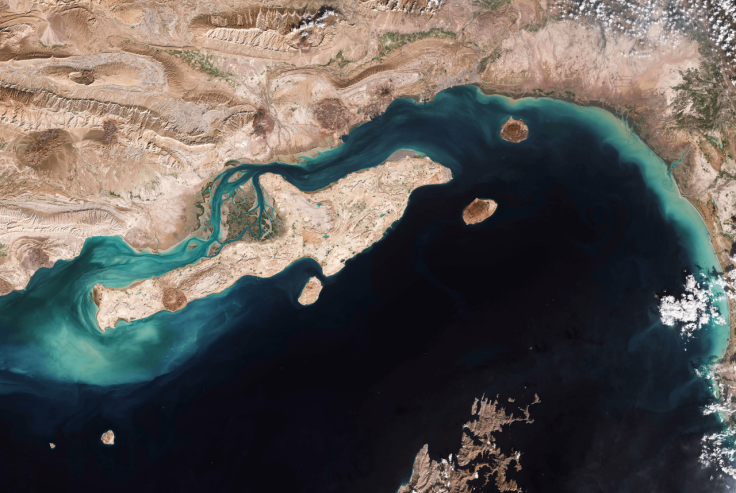
Bolton set out a markedly different vision of how Washington should respond to Iranian moves in the Gulf, particularly around the Strait of Hormuz, the narrow chokepoint through which roughly a fifth of the world's oil supply passes and which US officials say has been tightened by Iranian forces.
'The only way to establish deterrence again against Iran trying to close the Strait of Hormuz is to take it away from them militarily, to open up naval traffic on the Arabian side of the Gulf, allow Arab oil out into international markets while keeping the blockade against Iranian oil,' he said. That, he argued, would keep financial pressure on Tehran while easing global energy markets.
🇺🇸🇮🇷 Former Trump National Security Adviser John Bolton says Iran is playing Trump because he’s desperate to make a deal:
— Megatron (@Megatron_ron) May 26, 2026
“He thinks everybody wants to make a deal on just about anything. That's not what these people are into. And they can see that Trump is so palpably… pic.twitter.com/McFe49iLcw
Bolton questioned why such a posture was not adopted at the start of the current conflict. 'It's reasonable to ask, why didn't the administration think of this at the beginning of the war? I don't know the answer to that question, but the answer now is not to have a diplomatic deal that can be reversed like by Iran, but like turning a light switch on and off.'
Hours after his CNN appearance, events appeared to shift away from any notion of imminent diplomacy. US Central Command announced that American forces had carried out what it called 'defensive' strikes on several targets in southern Iran. According to Centcom, the strikes hit boats laying mines in the Strait of Hormuz, which US officials say Iran has used to exert leverage over international shipping.
In a brief statement, Navy Captain Tim Hawkins said Centcom 'continues to defend our forces while using restraint during the ongoing ceasefire.' No details were immediately released on casualties or damage on the Iranian side.
With talks opaque, military action underway and Bolton accusing Trump of being easy to manipulate, the gap between the deal Trump describes and the reality on the water in the Gulf remains stubbornly wide, and for now, everything he promises should be taken with a grain of salt.
© Copyright IBTimes 2026. All rights reserved.
- Recommended For You