

'To Induce Them to Vote': Bipartisan Panel Rules Elon Musk's $1M Payouts Probable Voter Bribery
Wisconsin Elections Commission finds probable cause of election bribery in Musk's campaign tactics.
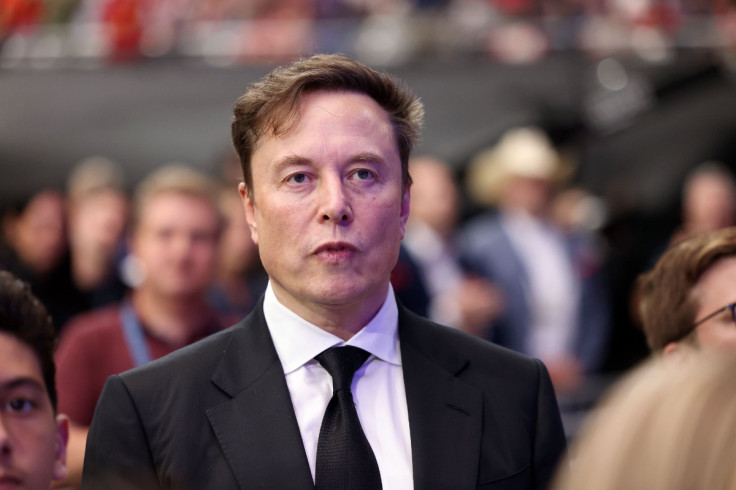
Elon Musk's $1 million payments to Wisconsin voters have landed him in fresh legal trouble after a bipartisan state elections commission found probable cause that the giveaways may have violated election bribery laws during the state's 2025 Supreme Court race.
Elon Musk likely broke Wisconsin election law by offering $1 million to voters before last year's state Supreme Court election, a bipartisan panel has found. https://t.co/CtWqPFqGVd pic.twitter.com/UqUx11Eyl1
— CNN (@CNN) July 14, 2026
The Wisconsin Elections Commission has referred two complaints to the Brown County District Attorney's Office, giving prosecutors the opportunity to decide whether criminal charges are warranted. The commission concluded there was probable cause to believe Musk offered the payments 'to induce them to vote' in the election, a potential violation of Wisconsin law.
The referral marks the latest legal challenge arising from one of the most expensive judicial elections in US history and places Musk's increasingly aggressive campaign tactics under renewed scrutiny.
How the Payments Triggered Complaints
The complaints, which remain confidential under Wisconsin law, were filed by voters in Milwaukee and Green Bay after Musk distributed $1 million cheques during a rally in Green Bay just days before the election. Two of the three Wisconsin recipients collected their cheques on stage, while a third received the payment separately as part of the same initiative.
According to the commission's referral, Musk's social media posts promoting the giveaway were made 'in order to induce them to vote in that election'. That finding sits at the heart of the case and prompted commissioners to refer the matter for criminal review.
The commission voted 5-1 in closed session to send the complaints to Brown County District Attorney David Lasee, a Republican. Under state law, prosecutors now have 40 days to notify the commission whether they intend to pursue charges. The referral itself does not establish guilt, and no criminal charges have been filed. The next step now rests with prosecutors.
Musk Says the Giveaways Were Lawful
Musk has consistently maintained that the payments were protected political activity rather than unlawful inducements. In legal filings earlier this year, his lawyers argued the initiative was an exercise of free speech protected under both the US and Wisconsin constitutions.
They said the payments were 'intended to generate a grassroots movement in opposition to activist judges, not to expressly advocate for or against any candidate.' That argument did not persuade the elections commission, although it is likely to remain central to any future legal proceedings.
Record Spending Drew Attention
The controversy unfolded during a Wisconsin Supreme Court race that shattered spending records nationwide. Musk and organisations backing his political efforts spent at least $20 million supporting Republican-backed candidate Brad Schimel. Despite that investment, Schimel lost to Democratic-backed Susan Crawford by roughly 10 percentage points.
Overall spending exceeded $100 million, making it the costliest judicial election in US history. The scale of Musk's financial involvement ensured the $1 million payments attracted scrutiny well beyond Wisconsin.
Legal Challenges Continue
The commission's referral is not the only legal action stemming from Musk's election activities. Before the payments were distributed, Wisconsin Attorney General Josh Kaul unsuccessfully sought a court order preventing the giveaways. State courts declined to block the event before Election Day.
Separately, the Wisconsin Democracy Campaign has filed a civil lawsuit seeking to permanently prevent Musk from offering similar cash payments in future Wisconsin elections. The lawsuit alleges election bribery, unlawful lotteries, civil conspiracy and public nuisance.
Although the civil litigation and any potential criminal investigation are separate proceedings, both hinge on the same question: when does a political incentive become an unlawful inducement to vote?
A Broader Test for Campaign Law
The Wisconsin programme echoed an earlier initiative run by Musk's America PAC during the 2024 presidential campaign. That programme promised daily $1 million payments to registered voters in Wisconsin and six other battleground states who signed a petition supporting the First and Second Amendments.
A Pennsylvania judge later ruled prosecutors had not shown that programme constituted an illegal lottery, allowing the giveaways to continue through Election Day. Wisconsin's bipartisan elections commission has now reached a different preliminary conclusion under its own election laws.
Whether prosecutors ultimately file charges remains uncertain. But the commission's probable-cause finding ensures Musk's campaign tactics will receive closer legal scrutiny and could help define where courts draw the line between political advocacy and unlawful financial inducements in future elections.
© Copyright IBTimes 2026. All rights reserved.