Elon Musk Drug Allegations: Ex Ashley St. Clair Claims He Feared Fingernail Tests
In Ashley St. Clair's telling, the fight over Romulus is also a fight over who the world chooses to believe about Elon Musk's life behind closed doors.
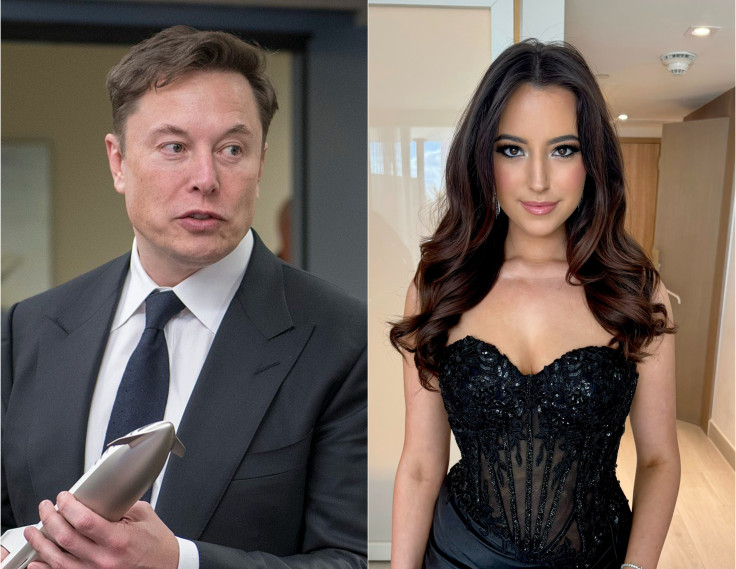
Elon Musk's former partner Ashley St. Clair has alleged that she saw Musk take psychedelic mushrooms and worry about advanced drug testing, in a newly released interview filmed for Don Lemon's YouTube channel and published as the pair remain locked in a bitter custody dispute in the United States.
Musk and St. Clair, who share a young son named Romulus and are now fighting over where and with whom he should live. Musk has previously said he intends to seek full custody, and according to St. Clair the court battle intensified after she publicly shifted her political views and disclosed details of their relationship. Nothing regarding the custody outcome is confirmed yet, so all claims around the legal process and motives should be taken with a grain of salt.
Ashley St. Clair's Claims About Elon Musk Drug Use
In the interview, St. Clair alleged that she witnessed Musk use psilocybin mushrooms and suggested that what she saw went beyond occasional experimentation. Citing her own experience, she said she became increasingly uneasy about what she believed could be 'habitual drug use,' a characterisation that has not been independently verified.
'He was scared that they were going to take his fingernails and like, fingernail drug test him,' she told Lemon. Suggested this anxiety might relate to Musk's government-linked business interests. Musk is closely tied to contracts with agencies such as NASA, though St. Clair did not name specific contracts in the segment.
Pressed by Lemon on which substances she believed Musk was using, St. Clair replied that she directly saw him take mushrooms and observed other drugs she could not identify. 'I saw him take mushrooms and there were other things that I was unsure of,' she said. When Lemon asked what she meant by 'unsure,' she added: 'I don't know what was in it.'
She also pushed back on Musk's public denials of drug use. 'The volume at which he lies, to the scale of people, is astonishing. 'I don't do drugs,' that's just not true. At all,' she claimed. That allegation, too, has not been independently corroborated.
St. Clair insisted she did not participate. When Lemon asked if she ever joined in, she replied: 'No, I would never. I'm not a fan of horse tranquiliser. I'm not a prude about seeing people do drugs, but it wasn't clear to me until later on that maybe this is habitual.' She did not specify which substance she was referring to as a 'horse tranquiliser,' and no additional evidence was provided in the interview.
At the time of writing, there has been no fresh public response from Musk or his representatives specifically addressing St. Clair's latest comments. Previous statements from Musk on similar allegations have taken a combative tone, portraying his achievements as proof that his behaviour is compatible with the responsibilities he holds.

Inside Elon Musk And Ashley St. Clair's Brief Relationship
St. Clair and Musk first connected online, when he reportedly messaged her privately on X, the platform formerly known as Twitter, in May 2023. The online exchange developed into an in‑person relationship that included a trip to St. Barts, where, according to St. Clair, their son Romulus was conceived.
The existence of the child and Musk's paternity were not made public until February 2025, when St. Clair disclosed the details herself. She later told People magazine that things 'got very strange' and difficult after she became pregnant, though she did not describe those difficulties in detail in the Lemon interview.
By January 2026, Musk had moved to seek sole custody, according to St. Clair's account. From her perspective, the timing was tightly bound up with her increasingly vocal criticism of him and her changing political positions. Those motives, like the broader narrative around the custody fight, remain contested and unproven in court.
The dispute now sits against a wider backdrop of scrutiny of Musk's personal conduct. His private life has repeatedly intersected with his public standing, whether through high‑profile relationships or questions over his judgement as the head of multibillion‑pound companies that are deeply woven into US infrastructure and space policy.
Elon Musk's Past Pushback Against Drug Allegations
Musk has previously pushed back hard on claims that he uses illegal drugs, including ketamine, mushrooms and ecstasy. After a series of media reports questioned whether recreational drug use could jeopardise his companies' government contracts, he turned to his own success as a defence.
'Whatever I'm doing, I should obviously keep doing it!' he said at the time, arguing that the performance of Tesla and SpaceX showed his lifestyle did not impair his ability to run complex, high‑risk ventures.
Musk has also cited official testing. According to Forbes, he said he underwent three years of random drug testing by NASA and that 'not even a trace amount of any drugs or alcohol was found.' NASA has significant oversight of companies it works with, including SpaceX, although the agency's internal testing regime and results are generally not made public in full.

That history of testing is central to why St. Clair's new claims are likely to be fiercely contested. If Musk's account of years of negative NASA tests is accurate, they would weigh heavily against allegations of ongoing, detectable drug use over that period. If St. Clair's claims are accurate, they may point instead to more sporadic or more recent activity, or to substances and timing that would not necessarily show up in standard screenings.
The two narratives sit side by side: a tech magnate pointing to clean tests and corporate success as proof he is above reproach, and an ex‑partner painting a more chaotic, concealed private life, with a custody case and a young child caught in the middle.
© Copyright IBTimes 2026. All rights reserved.
- Recommended For You