FBI Still Analysing 'Potentially Critical DNA' in Quantico as Nancy Guthrie Case Reaches 100 Days
While a single strand of DNA crawls through the FBI's machines, an 84‑year‑old's family are left waiting for science to catch up with their need for answers.

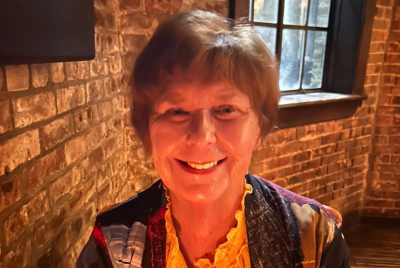
The FBI is still analysing what investigators have described as 'potentially critical DNA' at its lab in Quantico, Virginia, as the search for missing Arizona grandmother Nancy Guthrie reached the 100-day mark on Tuesday. Guthrie, 84, the mother of Today presenter Savannah Guthrie, disappeared from her home near Tucson in the early hours of 1 February, and no suspect has been publicly identified.
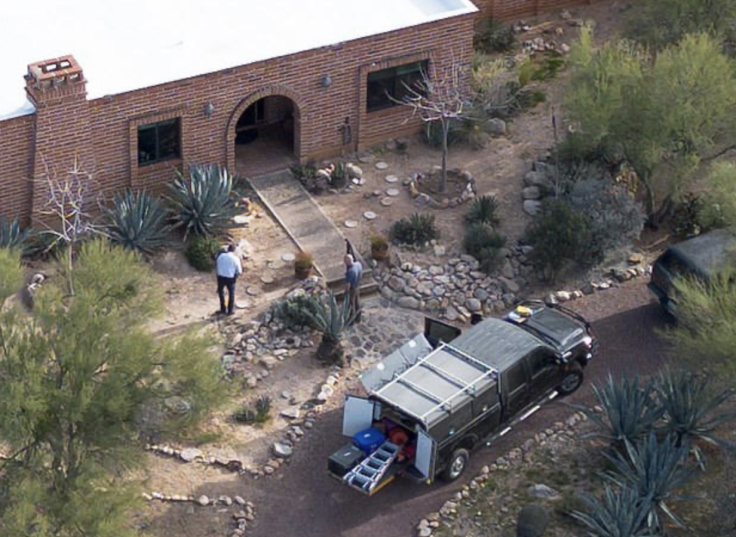
The case has drawn sustained attention in the United States because of both the mystery surrounding her disappearance and her daughter's public profile. The Pima County Sheriff's Department initially sent DNA evidence collected from Nancy's home to a private laboratory in Florida. Weeks later, local authorities transferred the material to the FBI crime lab in Quantico, where testing remains under way, according to CBS News.
DNA Testing Continues
Investigators are withholding details of the DNA, including what was recovered and where it was found inside the Tucson-area property. Law enforcement sources told CBS that the analysis remains active at Quantico and that the sample is being treated as a priority.
Former FBI supervisory special agent Lance Leising explained why the location of DNA inside a victim's home can matter so much. He told CBS that 'an item containing DNA such as a strand of hair found somewhere in a house is one thing, but a strand of hair near the victim's last known location, such as in her bed, would be a high priority for the FBI'.
Another retired FBI supervisory special agent, Jason Pack, warned against expecting a quick result shaped by television crime dramas. He said DNA analysis can involve painstaking work, including building family trees to help narrow down a possible suspect. That process, he added, 'takes far longer than television crime dramas would have people believe', and 'that kind of work is slow because it has to be right'.
Those comments underline a central problem in the case. The most talked-about piece of evidence is also the one the public knows least about. Officials have not said whether the DNA belongs to Nancy, a relative or an unknown individual, nor whether it has already generated investigative leads. At this stage, its exact significance remains unclear.
Sheriff Defends Silence
No suspect has been identified publicly, but a masked man captured on Nancy Guthrie's doorbell camera around the time she vanished has become a major focus of public attention. Authorities have not released a detailed description of the man or said clearly whether they believe he is directly connected to her disappearance.
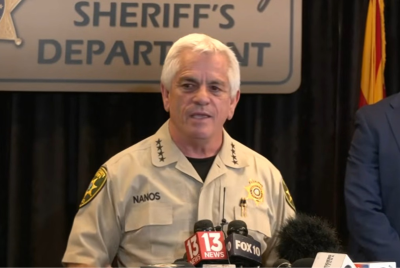
Pima County Sheriff Chris Nanos, whose handling of the case has faced criticism from some observers, has refused to discuss the DNA evidence in detail. Speaking to CBS by phone on Monday, 11 May, he said talking publicly about specific evidence could damage any future prosecution.
'It would be highly inappropriate of me to speak to the evidence. We have to keep the integrity of this case,' Nanos said. 'If we make an arrest, that individual has the right to a fair trial, [so] I can't sit here and address all of that.'
The sheriff insisted that his office and its partner agencies remain focused on resolving the case. 'We are working hard with all of our partners to resolve this case, and we will,' he told the outlet.
His comments highlight the pressure at the centre of long-running investigations. Families and the public want updates, especially at symbolic moments such as the 100-day mark, while investigators worry that releasing too much could tip off a suspect or affect a future jury pool. In Nancy Guthrie's case, that tension is heightened by the FBI's involvement and the quiet but continuing importance of the DNA evidence.
Family Pressure And Reward
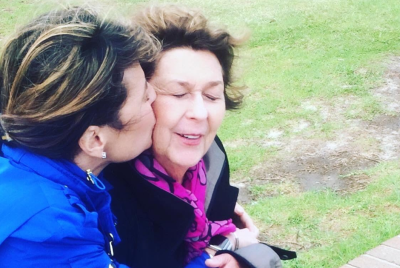
Savannah Guthrie has used her platform on television and social media to keep public attention on her mother's disappearance, while also acknowledging that the case may not end well. About a month after Nancy vanished, the 54-year-old anchor posted an emotional Instagram video in which she said her mother might already be dead even as the family continued to pray for her 'recovery'.

She also announced that the reward for information leading to her mother's return had been increased to $1 million, a figure that reflects both the family's desperation and their determination to generate new leads. So far, that money does not appear to have produced the decisive tip investigators need, or at least not one they are prepared to reveal publicly.
The combination of a high-profile daughter, an elderly woman vanishing from her own home in the middle of the night and a piece of 'potentially critical DNA' now being examined in Quantico has made the case a test of patience for everyone involved. For investigators, that means waiting for lab work that 'has to be right'. For the family, it means enduring day after day without answers. For the public, it means recognising that the most important developments may still be unfolding far from view inside a federal lab.
© Copyright IBTimes 2026. All rights reserved.
- Recommended For You