Ferrari Goes Electric—Then Loses Billions in Stocks as Fans Reject 'Disgrace' Supercar
Market reaction to Ferrari's Luce launch was immediate as shares plunged, erasing billions in market capitalisation in a single day.
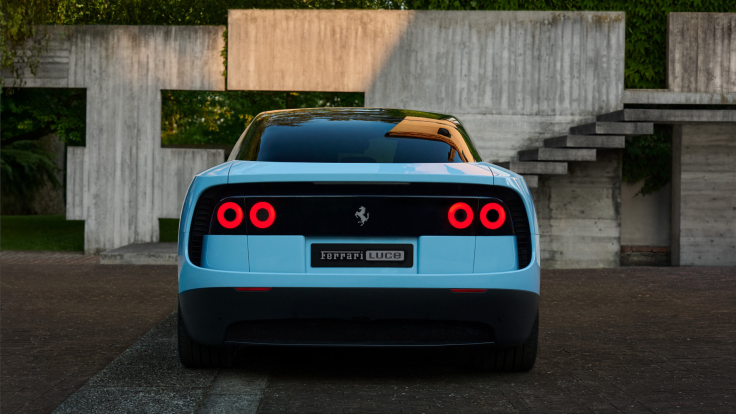
Ferrari has entered a defining new era with the unveiling of its first fully electric vehicle. However, the brand's debut EV, the Luce, intended to modernise the iconic Italian marque, has sparked more controversy among fans and investors than it has delivered on the promise of a smooth, transformative transition.
The new model, developed with input from former Apple design chief Jony Ive, marks Ferrari's most radical departure yet from its traditional petrol-powered identity. But instead of universal praise, the launch was met with sharp online criticism, with purists arguing that the design and direction dilute the brand's heritage.
According to CNBC and other news outlets, Ferrari shares fell sharply following the reveal, wiping billions from its market value as investor sentiment turned negative almost immediately after launch.
Investors React As Shares Slide
Market reaction to Ferrari's Luce launch was immediate: shares plunged nearly 8% in Milan trading before closing down about 6%, erasing billions in market capitalisation in a single day.
Analysts attributed the decline not only to the car itself but to broader concerns about whether Ferrari risks damaging its ultra-premium positioning by shifting into a fully electric, family-oriented four-door format.
One report said that investor nerves were amplified by fears that the Luce could dilute Ferrari's exclusivity, particularly as the model introduces a five-seat layout and a design language closer to luxury EV saloons than traditional supercars.
While Ferrari insists the Luce is a long-term strategic evolution rather than a departure from performance DNA, the immediate market reaction suggests investors are not yet convinced.
Fans Call It a Betrayal Of Ferrari's Legacy
Beyond the financial impact, the strongest reaction came from Ferrari enthusiasts, many of whom took to social media to express disappointment over the brand's direction.
Critics labelled the design a break from Ferrari's 'soul', with some describing it as overly modern, softened, and influenced by consumer tech aesthetics rather than motorsport heritage.
In online forums, the car was widely compared unfavourably to more conventional EV competitors, with purists questioning whether it still feels like a Ferrari at all.
Former Ferrari chairman Luca Cordero di Montezemolo also reportedly voiced concern, warning that the model risks undermining the emotional identity that has defined the brand for decades.
While some younger audiences praised the futuristic styling and technological ambition, the divide between tradition and transformation was stark.
A High-Stakes Move Into The Electric Future
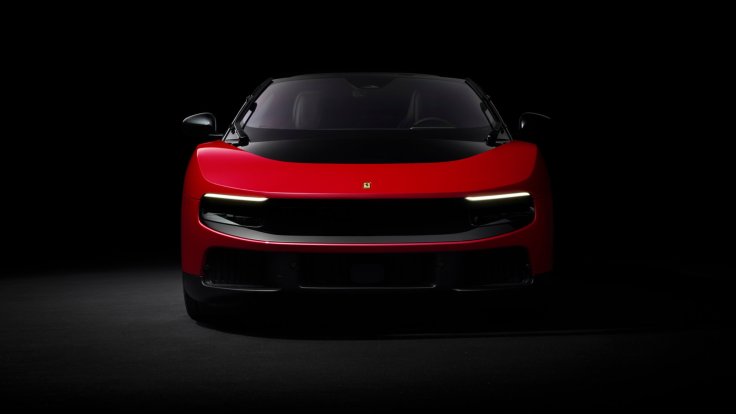
Technically, the Luce marks a major engineering step forward for Ferrari. Reports suggest the vehicle produces over 1,000 horsepower, reaches 0 to 100km/h in around 2.5 seconds, features a top speed of more than 310km/h (193mph), and is equipped with a high-capacity battery system designed to balance extreme performance with long-distance usability.
Ferrari's leadership has described the model as a strategic necessity as the wider automotive industry accelerates toward electrification, particularly in the luxury segment, where rivals such as Porsche and Lamborghini are also rapidly evolving their electric offerings.
As Ferrari chief commercial officer Enrico Galliera explained in an interview with Yahoo Finance: 'We want to bring something that we consider as a game changer, really talk in a different language. We can maintain our current [design language], which is the current offer, satisfying our clients, and we want to test something completely different with different approaches.'
Yet Ferrari's transition carries a unique burden. Unlike mass-market manufacturers, the brand's identity is deeply rooted in emotional appeal, engine sound, and mechanical character, all of which are fundamentally reshaped in the move to electric power.
Brand Identity Vs Market Reality
The backlash highlights a wider tension facing legacy performance brands: how to embrace electrification without losing the essence that built their global prestige.
For Ferrari, the Luce is not just a new product but a test of whether its brand can survive a technological transformation that removes one of its most iconic features — the combustion engine.
Supporters argue that Ferrari has always evolved with technology, from Formula One innovation to hybrid supercars. Critics counter that this shift feels more like reinvention than evolution.
What Next For Ferrari
Despite the controversy, demand may still follow. Luxury analysts often note that Ferrari's customer base is highly loyal and frequently driven by exclusivity rather than consensus opinion.
Yet the immediate reaction — falling shares, online backlash, and cultural resistance — suggests the Luce has not yet achieved acceptance as the natural next chapter in Ferrari's story.
For now, the company sits at a crossroads: between heritage and electrification, between emotional identity and market necessity. And the early verdict from both Wall Street and fans is clear: the transition will not be smooth.
© Copyright IBTimes 2026. All rights reserved.
- Recommended For You