Ex-Gateway Pastor Claims 'Not One Dollar Was Misdirected' as Former Members Appeal Tithe Lawsuit
Federal appeals court to review Gateway Church tithe lawsuit after initial dismissal on First Amendment grounds.
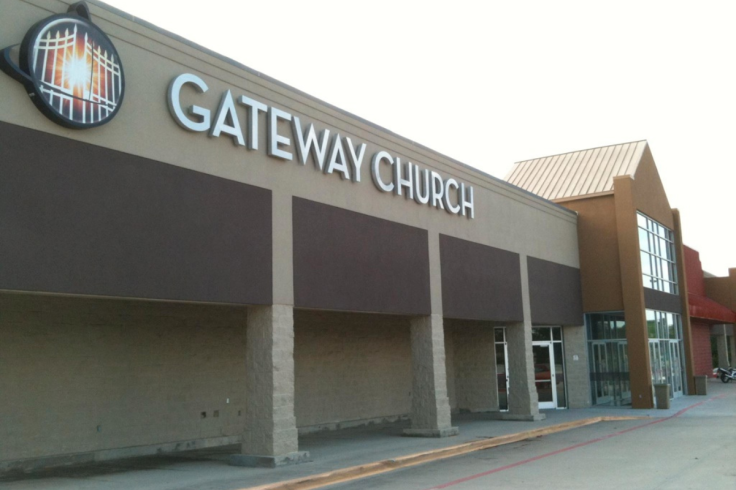
Former members of Gateway Church are asking a federal appeals court to revive their lawsuit over millions of dollars in tithes, arguing that their claims concern financial misrepresentation rather than church doctrine.
The appeal follows a June ruling by U.S. District Judge Amos Mazzant of the Eastern District of Texas, who dismissed the case after finding that the First Amendment prevented the court from becoming involved in what he viewed as an internal church dispute.
Now before the Fifth U.S. Circuit Court of Appeals, the case could determine whether civil courts are allowed to examine allegations that a church misrepresented how donated money would be spent, or whether those claims remain protected under constitutional safeguards for religious organisations.
Former Members Challenge How Tithes Were Used
The lawsuit was originally filed in October 2024 by former Gateway members Katherine and Garry Leach, together with Mark and Terri Browder.
According to court filings, the plaintiffs allege Gateway Church encouraged members to donate by telling them that approximately 15% of tithes would support global missions and Jewish ministry partners. They claim those representations were false and that the money was ultimately directed elsewhere.
The lawsuit alleges that church leaders misled members into making donations based on promises that were never fulfilled. According to the reported filings, the disputed amount could total as much as $15 million, although that figure remains part of the plaintiffs' allegations and has not been established as fact in court.
Rather than challenging the church's religious beliefs or theological teachings, the former members argue they are raising a straightforward question of fraud and financial accountability. That distinction has become central to the legal fight.
Why the First Amendment Became the Deciding Factor
Judge Mazzant dismissed the lawsuit under the ecclesiastical abstention doctrine, a long-established legal principle rooted in the First Amendment. The doctrine generally prevents civil courts from deciding matters involving church governance, religious doctrine or internal administration.
In practical terms, courts avoid resolving disputes that would require judges to interpret religious teachings or determine whether church leaders exercised spiritual authority appropriately. Gateway Church argued that the plaintiffs' claims fall squarely within that protected territory because decisions about ministry funding, stewardship and church operations are fundamentally religious questions.
Judge Mazzant agreed, concluding that the court lacked jurisdiction to decide the dispute.
The former members disagree.
Their appeal argues the case is not about theology at all but about whether church leaders made factual representations regarding the intended use of donated funds and whether those statements were truthful.
If the appeals court accepts that framing, the lawsuit could return to the trial court for further proceedings.
Robert Morris Continues to Deny Allegations
Former senior pastor Robert Morris has also rejected the accusations surrounding Gateway's handling of donations. Morris resigned from Gateway Church in June 2024 following allegations rhat he sexually abused a 12-year-old girl during the 1980s. That criminal matter is separate from the tithe lawsuit, although it has placed the church under heightened public scrutiny.
Through his attorney, Bill Mateja, Morris has supported Gateway's legal position. 'Just as we were confident that the trial court would dismiss the case because courts of law have no business adjudicating matters of the church and church business, we're equally confident that the court of appeals will do the same,' Mateja said.
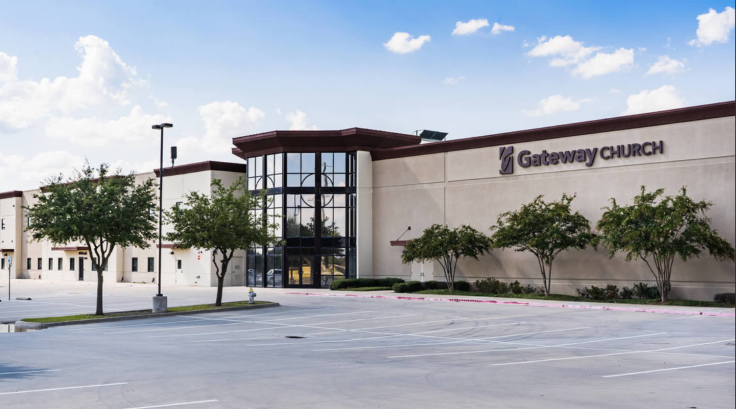
Morris has also personally denied any misuse of church funds. In a June statement, he said: 'I want to be absolutely clear that during my 24 years as Senior Pastor of Gateway Church, tithe monies were faithfully and properly stewarded, and not one dollar was misdirected, not by me, and not by Gateway.'
He added that donations supported the church's global missions, Jewish ministry partners and other charitable initiatives consistent with Gateway's mission. Those statements directly contradict the allegations raised by the former members.
Appeals Court Faces Narrow but Significant Question
Although much public attention has focused on the underlying allegations, the Fifth Circuit is not yet being asked to decide whether Gateway improperly handled donations.
Instead, the judges must answer a narrower legal question, can a civil court hear the case at all?
If the appeals court concludes the dispute centres on ordinary issues of fraud or misrepresentation, the lawsuit could proceed and evidence may eventually be examined.
If, however, the court agrees with the district judge that resolving the claims would require examining internal church governance or religious decision-making, the dismissal is likely to stand. The outcome could have implications beyond Gateway Church.
Religious organisations across the United States have increasingly relied on First Amendment protections when facing lawsuits involving governance, finances and internal decision-making. At the same time, former members and donors have argued that churches should remain accountable when making factual claims about how charitable contributions will be used.
For now, no determination has been made about whether Gateway misused any donations. The Fifth Circuit's immediate task is simply to decide whether the courts are the proper place to answer that question.
© Copyright IBTimes 2026. All rights reserved.
- Recommended For You