Euphrates River Crisis Ignites End-Times Fears as Cholera and Typhoid 'Are Currently Spreading'
The Euphrates River crisis is fuelling biblical end-times debate as drought, shrinking water supplies and reported disease risks deepen concern across Iraq and Syria
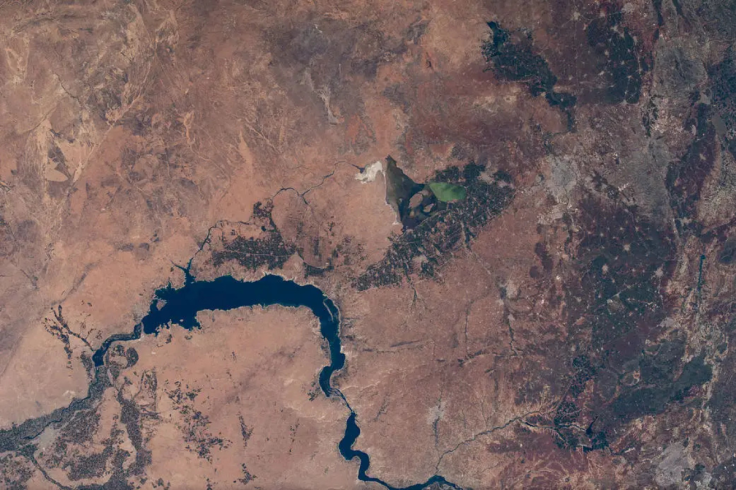
The worsening crisis along the Euphrates River is once again fuelling debate over end-times speculation after falling water levels coincided with growing concerns about drought, pollution and public health across Iraq, Syria and Turkey.
For some Christians, images of the shrinking river have revived discussion around passages in the Book of Revelation that describe the Euphrates drying up before events associated with the biblical end times. Others argue the unfolding crisis reflects environmental degradation and decades of water mismanagement rather than prophetic fulfilment.
While religious interpretations remain a matter of personal belief, scientists and humanitarian organisations continue to warn that the river's decline poses immediate risks to millions of people who depend on it for drinking water, agriculture and industry.
Euphrates River Crisis Meets Biblical Prophecy
The Euphrates is one of the world's oldest and most historically significant rivers. Flowing through Turkey, Syria and Iraq before joining the Tigris River, it has sustained civilisations for thousands of years and remains central to the region's economy and food production.
Today, however, the river faces mounting pressure from several overlapping challenges, including prolonged drought, declining rainfall, upstream dam construction, increased groundwater extraction and the effects of climate change.
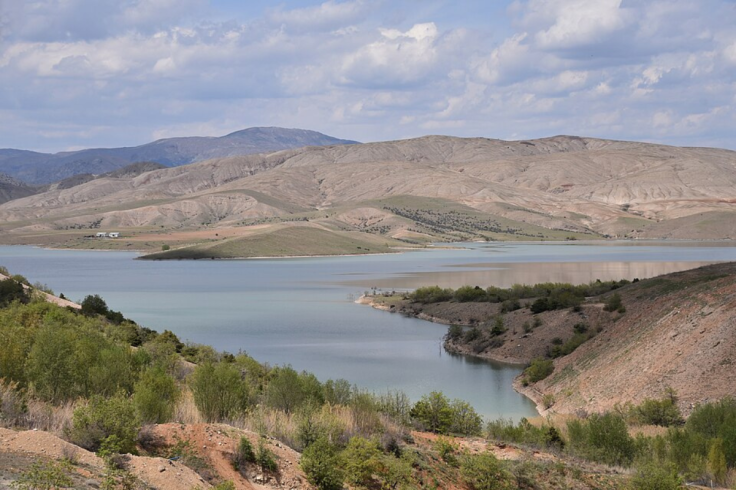
A NASA study published in 2013 found that the combined Tigris-Euphrates basin lost approximately 117 million acre-feet (34 cubic miles) of freshwater between 2003 and 2009.
Researchers concluded that roughly 60 per cent of that loss resulted from groundwater depletion, with extensive pumping from underground aquifers accelerating the decline. Since then, regional water shortages have continued to intensify.
Why Some Christians Connect the River to Revelation
The shrinking river has prompted renewed discussion of Revelation 16:12, which states, 'The sixth angel poured out his bowl on the great river Euphrates, and its water was dried up to prepare the way for the kings from the East.'
For many Christians who interpret Revelation literally, the passage forms part of the Bible's description of events preceding the final judgement and the battle commonly associated with Armageddon.
Some believers argue that a significantly reduced Euphrates could symbolically or physically enable armies from the East to advance, as described in the text. Others also point to Jeremiah 50:38, which reads, 'A drought on her waters! They will dry up. For it is a land of idols.'
Those verses regularly circulate online whenever new images emerge showing reduced water levels. However, biblical scholars have long held differing interpretations of Revelation, with many viewing its imagery symbolically rather than as a literal prediction of modern geopolitical events.
No scientific organisation has suggested that the river's current condition represents evidence that biblical prophecy is unfolding.
Environmental Causes Are Well Documented
Experts say the river's decline has identifiable environmental and political causes. Reduced precipitation linked to climate change has lowered natural river flow across much of the region.
At the same time, extensive dam projects upstream have altered how water moves through the basin, while decades of groundwater pumping have depleted underground reserves that once supplemented river supplies.
The Iraqi Ministry of Water Resources has reportedly warned that the Euphrates could effectively disappear by 2040 without significant intervention. That projection represents a warning rather than a certainty, but it illustrates the seriousness of current trends.
The Center for Strategic and International Studies has likewise reported that water levels have fallen to among the lowest recorded in recent decades, citing climate pressures, upstream water management and conflict-related infrastructure damage in Syria.
Humanitarian Concerns Continue to Grow
Beyond the theological discussion, humanitarian organisations warn that declining river levels are creating immediate public health risks. Lower water volumes allow pollutants, sewage and agricultural runoff to become more concentrated, making safe drinking water increasingly difficult to provide.
Higher salinity levels have also affected farming communities that depend on irrigation. Naseer Baqar, a climate activist and field coordinator with Iraq's Tigris River Protectors Association, has claimed that water shortages are contributing to outbreaks of diseases including diarrhoea, cholera and typhoid.
Those specific claims, including comments about vaccine availability, have not been independently verified and should be treated with caution until confirmed by Iraqi health authorities or international public health agencies.
Nevertheless, previous public health emergencies demonstrate the broader risks. Human Rights Watch reported that approximately 118,000 people were hospitalised during Basra's 2018 water crisis, when contamination and elevated salinity severely affected local water supplies.
Although today's circumstances differ, the incident highlighted how rapidly deteriorating water quality can become a major health emergency.
A Crisis Rooted in Reality
The renewed interest in biblical prophecy reflects the Euphrates' unique place in both religious tradition and human history. For many believers, the river carries profound spiritual significance that naturally invites comparisons with scripture whenever dramatic environmental changes occur.
At the same time, scientists emphasise that the current crisis has well-established physical causes rooted in climate change, water management and decades of environmental pressure. Whether individuals interpret the shrinking river through a religious or scientific lens, the practical consequences are already being felt by communities throughout the region.
For millions of people living along its banks, the immediate concern is not prophecy but access to safe water, reliable agriculture and functioning public services. As governments, researchers and international organisations continue searching for long-term solutions, the Euphrates remains both a symbol of ancient civilisation and a stark reminder of the growing challenges posed by water scarcity in the modern Middle East.
© Copyright IBTimes 2026. All rights reserved.
- Recommended For You