UK Backs France's Fight Against Migrants Crossing the Border Through Boats By Using Water Cannon
The UK and France are expanding cooperation to stop Channel crossings, with new French police deployments raising questions over the possible use of water cannon.
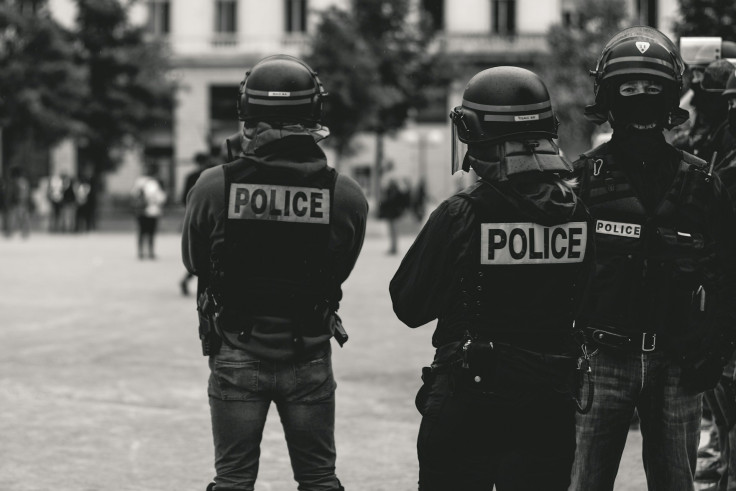
The UK government has backed a new France-UK border operation to stop migrants crossing the Channel in small boats, with French riot police authorised to use water cannon, CS gas, and batons if required under a £660 million deal.
The measures involve specialist French policing units being deployed along northern France's beaches to target people smugglers and prevent attempted crossings.
Prime Minister Keir Starmer announced the deployment of French riot police and specialist officers at the G7 summit in Évian-les-Bains. The agreement forms part of efforts between the UK and France to strengthen cooperation on Channel crossings, including increased police presence, maritime operations, and expanded security measures in northern France.
UK-Backed France Border Plan Brings Water Cannons
Under the agreement, two specialist policing units have begun operations, including a 50-officer riot squad from the Compagnies Républicaines de Sécurité (CRS), France's specialist public order police force. The officers are authorised under French policing powers to request equipment, including water cannon, CS gas, and batons, when dealing with public order situations.
The use of water cannon has become a major point of criticism because the equipment is not used by police forces in Great Britain due to concerns about safety and the principle of policing by consent. Water cannons remain available to police in Northern Ireland and were used during recent anti-immigration unrest near Belfast.
Refugee charity Care4Calais criticised the possibility of water cannon being used against asylum seekers. Steve Smith, the organisation's chief executive, said: 'This would be a sickening escalation in the state violence being waged against refugees here in Calais.'
Smith argued that if water cannon were considered unsuitable for use in Great Britain, the UK government should not support their potential use elsewhere. The Home Office, however, said policing tactics remained a matter for French authorities.
A Home Office source said the funding for the French riot squad would come from the French government, although the deployment itself was agreed under the wider £660 million ($872.55 million) UK-France deal.
Operations Expand Along Channel Coast
The French government has increased police activity along beaches in northern France as part of the joint approach. A government statement said a permanent specialist CRS unit had been deployed because it was 'specially trained in the use of riot and crowd control tactics.'
The Home Office said the team was intended to respond to hostile crowds and changing tactics used by people smugglers. French riot police have previously used water cannon during public disorder incidents, including protests in Paris.
The CRS has also faced allegations over its conduct. The source material notes that nine officers from the force were found guilty in February of beating protesters during the 2018 'gilets jaunes' demonstrations. Two years earlier, leaked WhatsApp messages showed CRS officers had shared an image depicting a sinking migrant boat, raising further criticism of the force.
The latest deployment comes as both governments attempt to reduce Channel crossings. Downing Street said increased joint operations had stopped 40% of attempted crossings in May. However, 2,726 people still reached Britain during that month, according to government figures cited in the source material, around 1,000 fewer than the same month a year earlier.
The wider agreement includes plans for a detention centre, expanded maritime tactics to intercept boats in shallow waters, and a 40% increase in officers deployed on French beaches.
Discussions About Use of Water Cannons
The UK government has defended the approach as part of efforts to disrupt smuggling networks and prevent dangerous journeys across the Channel. Critics argue that tougher enforcement measures risk placing greater pressure on vulnerable people seeking asylum.
The use of water cannon remains one of the most controversial elements of the agreement. While French authorities have not confirmed that the equipment will be deployed against asylum seekers, informed sources said that officers have the power to request its use as part of their public order responsibilities.
© Copyright IBTimes 2026. All rights reserved.
- Recommended For You