

Who Were the Italian Students on Bangkok's BTS and Why Their Racist Gestures Sparked a Diplomatic Apology
Incident on Bangkok's BTS Skytrain ignites discussions on respect and responsibility in taxpayer-funded school trips.
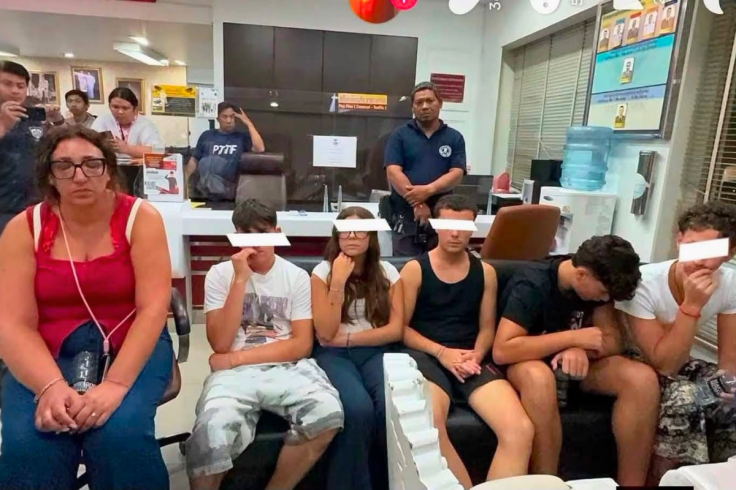
A group of Italian minors on a school trip to Bangkok, accompanied by a non-teaching chaperone, were filmed insulting a Thai woman on a BTS Skytrain, prompting police fines, a video apology, and a formal statement from Italy's embassy.
The incident has since spiralled into a wider debate about respect and responsibility in publicly funded educational travel.
Would you have stepped in? 🤔🤷♂️
— Chrome Crumpet (@ChromeCrumpet) July 24, 2026
A Bangkok BTS passenger asked a group of foreign tourists to lower their voices. Moments later, the exchange turned into an argument, with one tourist saying, “Then sorry for bringing money to your country.”
The clip has gone viral and sparked… pic.twitter.com/2RMbyWM8QG
What Happened on the Skytrain
The controversy began with a short clip posted by a Thai passenger who tried to ask the teenagers to lower their voices on the train, only to be met with loud mockery, obscene gestures and taunts including a line roughly translated as 'Sorry that we brought money to your country'.
The video quickly went viral on Thai social media, where anger focused not only on their behaviour but on perceived racist overtones, triggering demands for police action and a diplomatic response.
Police Response and Fines
Thai authorities responded by warning that insults, obscene gestures and racist remarks directed at others in public can fall under criminal insult and indecency provisions, even if the targets do not immediately file complaints.
At the same time, police urged the public to avoid witch-hunts against the teenagers, stressing that due process and accurate identification mattered more than online punishment.
Local media report that the students were fined by Thai police for insulting conduct, with one teenager fined additionally over an indecent act linked to the obscene gestures in the train carriage.
The Apology and Early Return
What we know about the group is deliberately limited: they are Italian underage tourists on a 'school educational trip', referred to in embassy statements and Thai reports as a student group rather than by specific school names.
Four students appeared in a 95-second apology video released via the Italian Embassy, acknowledging their behaviour as wrong, expressing regret for offending Thai culture and confirming that those most directly involved would be sent back to Italy early.
Italian commentators have suggested that the trip may have been organised under an INPS-backed welfare programme for children of public employees, a claim that has become a focus of domestic criticism but has not been formally confirmed by authorities.
@1234aaawry เหตุการณ์นี้ได้ข้อสรุปเรียบร้อยแล้วค่ะ * นักท่องเที่ยวชาวอิตาลีทั้ง 6 คนที่อยู่ในคลิป ได้กล่าวคำขอโทษกับเราครบทุกคนแล้ว * ทางเราจะลบภาพของนักท่องเที่ยวกลุ่มนี้ออก เพื่อให้เรื่องจบลงด้วยดีตามที่ตกลงกัน * ในส่วนของคดีอาญาที่เราได้แจ้งความไว้ ตำรวจได้เปรียบเทียบปรับเป็นจำนวน 1,000 บาท (จากอัตราที่สามารถปรับได้สูงสุด 10,000 บาท) โดยตำรวจแนะนำให้ใช้จำนวนดังกล่าวเพื่อให้คดีสิ้นสุดโดยเร็ว แม้ส่วนตัวเราจะรู้สึกว่าจำนวนเงินนี้อาจไม่ใช่บทลงโทษที่หนักสำหรับพวกเขา แต่ก็เคารพดุลยพินิจและคำแนะนำของเจ้าหน้าที่ * เมื่อคดีสิ้นสุดแล้ว ทางฝั่งนักท่องเที่ยวชาวอิตาลีจะไม่สามารถนำเหตุการณ์นี้มาเรียกร้องหรือดำเนินคดีกับเราในภายหลังจากการที่เราออกมาปกป้องตัวเองได้ สุดท้าย เราไม่ได้ต้องการให้เรื่องบานปลายหรือสร้างความเกลียดชังต่อคนชาติใด สิ่งที่เราทำตั้งแต่วันแรกคือการปกป้องศักดิ์ศรีและสิทธิของตัวเองจากการถูกดูถูกและคุกคามเท่านั้น ขอบคุณทุกกำลังใจ ขอบคุณทุกคนที่ยืนเคียงข้างกัสมาตลอดค่ะ #นักท่องเที่ยวเสียงดังบนbts #อิตาลี #นักท่องเที่ยว #italian ♬ เสียงต้นฉบับ - 1234aaawry
The Chaperone's Role
The adult travelling with them is described in Italian coverage as a coordinatrice or accompagnatrice, signalling a role as group coordinator or chaperone rather than a formally identified teacher.
She appears in apology settings and holds responsibility for the group's conduct, yet remains unnamed in official and mainstream reports, reflecting the choice to anonymise non-charged adults alongside minors.
Why They Remain Anonymous
Their anonymity is not accidental. In the days after the clip spread, online users wrongly linked the incident to at least one unrelated Italian school and targeted a Bangkok hotel with negative reviews, illustrating how quickly misidentification can affect bystanders when names and institutions are circulated without verification.
Both Thai and Italian authorities have kept the students and chaperone anonymous to reduce the risk of harassment, doxxing and long-term stigma for minors whose conduct, while subject to sanction, is being addressed through legal and educational channels rather than public shaming.
The Domestic Debate in Italy
Inside Italy, teacher networks and education commentators argue the case should be treated as a civic lesson in respect abroad and in how publicly subsidised exchange programmes are run and supervised.
The contested INPS angle feeds a broader concern: if taxpayer-funded welfare schemes help send students overseas, the programmes must also ensure strong preparation in cultural sensitivity and clear accountability when trips go wrong.
That leaves an ethical tension at the heart of the story. Many people still want to 'know who they are', but legal protections for minors and the risk of mob justice mean the more constructive focus is on what is known about their age, roles and funding and what those facts suggest about responsibility, education and public trust.
© Copyright IBTimes 2026. All rights reserved.