Spirit Airlines Worker Rejects James Charles Apology After Viral Row Over Financial Support Following Her Layoff
Amber Lendof Vargas exposes the influencer's grovelling message after he publicly shamed her for seeking financial help, sparking a global debate on influencer privilege

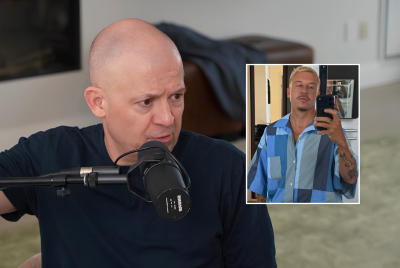
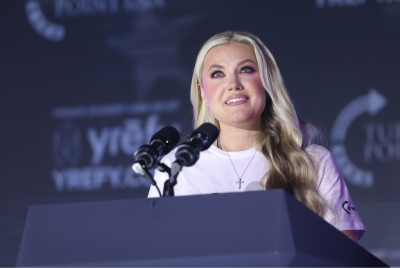
A former Spirit Airlines worker has publicly rejected a private apology from James Charles after the influencer shamed her for asking for financial help following her layoff.
Amber Lendof Vargas, 30, was among the 17,000 employees who lost their jobs when Spirit Airlines ceased operations in May 2026. After she messaged Charles with a link to her GoFundMe, the beauty mogul responded with an expletive-filled rant on his backup TikTok account, calling her a 'lazy piece of s–t' and telling her to 'get another job'.
Despite Charles later issuing a public apology and sending a 'grovelling' private message, the James Charles apology controversy has only intensified.
On 15 May 2026, Amber revealed she would not accept his remorse, stating that a private message cannot undo the psychological damage caused by a public mockery seen by millions.
The Viral Fallout From a Deleted Post
The controversy began when James Charles allegedly reacted to Amber's GoFundMe page in a now-deleted post that quickly circulated online before being removed. According to the reference details, he criticised her fundraising efforts and suggested she should 'get another job', while also calling her 'lazy' and 'entitled'.
Although the post is no longer visible on his account, screenshots and reposts continued to fuel what many are calling the James Charles deleted post criticism wave across social platforms. The situation escalated rapidly as users debated whether the comments were fair, harsh, or completely out of touch with the reality of sudden job loss.
The backlash intensified because the remarks were made publicly, reaching millions of followers before any damage-control effort was made.
Amber's Response on TikTok
Following the incident, Amber addressed the situation directly on TikTok, where her response quickly gained traction. She explained that, after the backlash, she chose not to engage with a private message from Charles, stating that the apology did not feel meaningful following the public humiliation.
She said she would not accept the apology, emphasising that the emotional impact of being criticised in front of a large audience could not be undone in private messages.
In her words, the issue was not just what was said, but how it was delivered, and the imbalance between public harm and private remorse became a central theme in the discussion.
A Spirit Airlines employee, whom James Charles publicly slammed for requesting financial help after being laid off, has shared the apology she received from him.
— richlux713 (@RichLux713) May 15, 2026
Her response?
“Do I accept his apology? Hell no.” pic.twitter.com/HfEprPeA6K
The Apology Didn't Match Scale Of Original Offence
The influencer later issued a public apology, describing his earlier comments as 'obnoxious', 'privileged', 'rude', and 'stupid'. He also sent a private message expressing regret and shared a screenshot of the apology on TikTok.
However, Amber rejected the gesture, stating that private remorse did not cancel out the public embarrassment she experienced. This reaction has become a key example in the ongoing discourse around TikTok viral apology responses, where audiences increasingly scrutinise whether apologies are sincere or merely reputational damage control.
Her stance highlights a growing sentiment online that apologies must match the scale of the original offence, especially when the harm occurs in a highly visible digital space.
James Charles has apologized to the Spirit Airlines worker he called a "lazy piece of sh*t" for asking for financial support after being laid off
— Dexerto (@Dexerto) May 14, 2026
Ambers response was, "I heard the apology, I just don't accept it" pic.twitter.com/1Tyje64Dy8
The Public Vs Private Apology Debate Takes Centre Stage
The situation has evolved into a wider debate over public vs private apologies, with users questioning whether influencers and public figures can repair damage through direct messages after making statements to millions.
Critics argue that public harm requires public accountability, especially when content spreads rapidly across platforms like TikTok, Instagram, and X. Supporters of Amber's position believe that once humiliation is shared publicly, it cannot be undone in private conversations.
This divide reflects a broader shift in online culture, where audiences are no longer satisfied with behind-the-scenes apologies if the original incident played out in front of them.
James Charles apologising after publicly calling out a recently laid-off Spirit Airlines employee. pic.twitter.com/h6gArNSPCX
— Irfan Ahmad (@Irfuu_) May 14, 2026
Influencer Financial Support Controversy and GoFundMe Backlash
At the heart of the issue is also a controversy over influencer financial support, as the original dispute stemmed from Amber's GoFundMe campaign following her layoff from Spirit Airlines. The situation has reignited debate about crowdfunding for basic needs and how online audiences perceive financial vulnerability.
Some viewers see GoFundMe campaigns as essential safety nets during crises, especially after layoffs. Others, however, question public appeals for money when amplified through influencer commentary, which can sometimes lead to judgment or backlash.
In this case, the tension between financial hardship and influencer criticism became the spark that turned a personal situation into a viral controversy.
Job Insecurity And The Fragility Of Digital Reputation
The story resonates globally because it touches on the universal fear of sudden job loss. With Spirit Airlines' collapse leaving 17,000 families in limbo, the sight of a multi-millionaire mocking a struggling worker struck a nerve. It serves as a reminder that in the digital age, a single moment of 'yapping' on a backup account can lead to a permanent stain on a digital reputation.
James Charles has seen a significant drop in followers since the incident, proving that even a decade into his career, he is not immune to the consequences of his words.
For Amber, the focus remains on rebuilding her life after the airline's shutdown, supported by a community that chose empathy over mockery. This case remains a definitive example of how the internet can turn a moment of cruelty into a movement for support, while leaving the aggressor to deal with a crisis of their own making.
© Copyright IBTimes 2026. All rights reserved.
- Recommended For You