FBI Chief Kash Patel Sparks Fury After Leaked Records Reveal Secret 'VIP Snorkel' At Sacred WWII Grave
Kash Patel faces backlash after records show he took part in a private snorkel at the USS Arizona memorial without public disclosure.

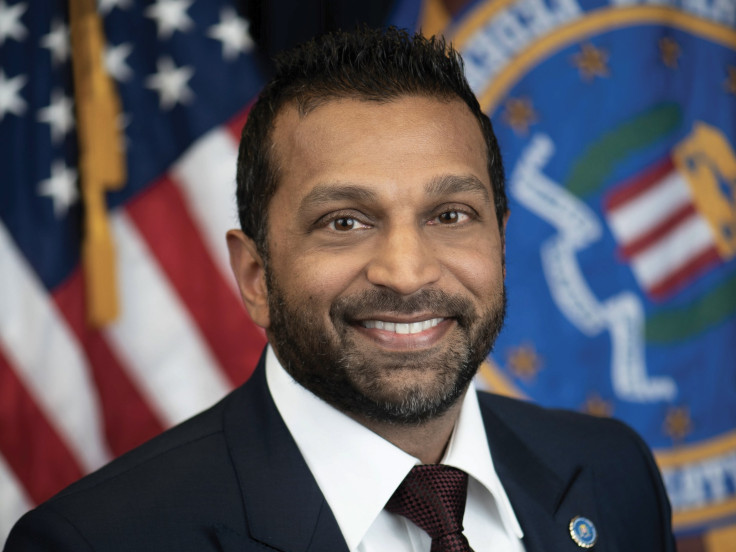
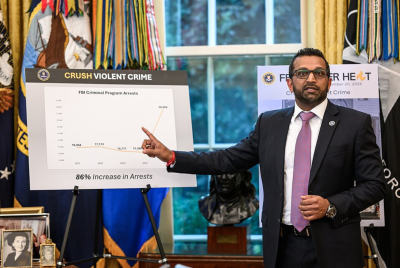
FBI Director Kash Patel is facing backlash after newly disclosed records revealed he took part in a private 'VIP snorkel' above the USS Arizona at Pearl Harbour in August 2025, according to documents obtained by the Associated Press.
The visit, which took place at the protected World War II gravesite in Hawaii, was not publicly disclosed at the time and has since raised questions about judgement and transparency at the bureau's highest level.
The USS Arizona is both a historic landmark and the final resting place of more than 900 American service members killed during the Japanese attack on Pearl Harbour in 1941. Access to the submerged wreck is tightly controlled, with only authorised personnel such as marine archaeologists and ceremonial divers typically permitted near it.
Snorkel Visit Draws Scrutiny Over Access
The AP reported that the Navy described Patel's underwater excursion as a 'VIP snorkel,' a term that has since drawn criticism from veterans and former officials. Stacey Young, founder of Justice Connection, said, 'It fits a pattern of Director Patel getting tangled up in unseemly distractions — this time at a site commemorating the second deadliest attack in U.S. history — instead of staying laser-focused on keeping Americans safe.'
Exactly who authorised the visit remains unclear. An FBI spokesperson declined to answer specific questions, stating only that Patel had attended 'national security engagements' with military counterparts. The Navy confirmed the snorkelling session took place but said it 'was not able to track down who initiated it.' The National Park Service, which jointly oversees the memorial, said it had no involvement.
That lack of clarity has fuelled concern. A former government diver, speaking anonymously to the Associated Press, said no FBI director in at least three decades had undertaken such an activity at the site. The diver described the access as highly unusual, citing logistical and safety constraints surrounding the memorial.
For some veterans, the issue is less about protocol and more about respect. Hack Albertson, a Marine veteran who participates in sanctioned dives at the site through the Paralysed Veterans of America, compared the idea to 'having a bachelor party at a church,' underscoring the site's status as sacred ground.
Questions Mount Around Snorkel Secrecy
The controversy has been sharpened by the way the trip was handled publicly. While the FBI issued statements at the time highlighting Patel's official engagements in Hawaii, including meetings with local law enforcement, there was no mention of the snorkelling visit. Records indicate Patel returned to Hawaii for two additional days after his initial stop, with flight tracking data showing the FBI's Gulfstream G550 remained on the island before departing for Las Vegas.
“… an exclusive excursion that Patel took days later…” https://t.co/5lGzDJwNpC pic.twitter.com/DLXZfpxyw8
— Just Human (@realjusthuman) May 14, 2026
The Navy has defended the practice, stating that participants in such visits are briefed on the memorial's significance and instructed not to touch the wreck. It also said the activity is 'not an anomaly,' noting that senior officials, including Navy admirals and cabinet-level figures, have previously been granted similar access. That defence has done little to quiet criticism, particularly given that family members of those killed at Pearl Harbour rarely receive comparable opportunities.
The episode has also revived scrutiny of Patel's recent conduct in office. Earlier this year, he attracted attention after appearing in a celebratory locker room video with the US men's Olympic hockey team following their gold medal win in Milan. Patel later said the trip had been coordinated alongside a cybercrime investigation in Italy, though the overlap raised eyebrows among observers.
Another incident during a visit to New Zealand added to the pattern. Patel reportedly gifted local officials 3D-printed replica firearms that were later found to be illegal under the country's gun laws, prompting further questions about oversight and preparation during official travel.
Against that backdrop, the Pearl Harbour visit has taken on added weight. While some relatives of USS Arizona victims told the Associated Press they do not object to carefully managed official visits, several noted they had never been permitted to snorkel at the site themselves.
Nothing in the available records suggests Patel violated a specific rule, and the Navy maintains that such visits are occasionally granted to senior figures. Still, the absence of clear authorisation, combined with the decision not to disclose the activity at the time, has left a lingering sense that lines may have been blurred at one of America's most solemn memorials.
© Copyright IBTimes 2026. All rights reserved.
- Recommended For You