Japan's Imperial Succession Crisis Deepens as Ancient Male-Only Rules Leave Royal Future Uncertain
Exploring the future of Japan's imperial succession amid calls for reform
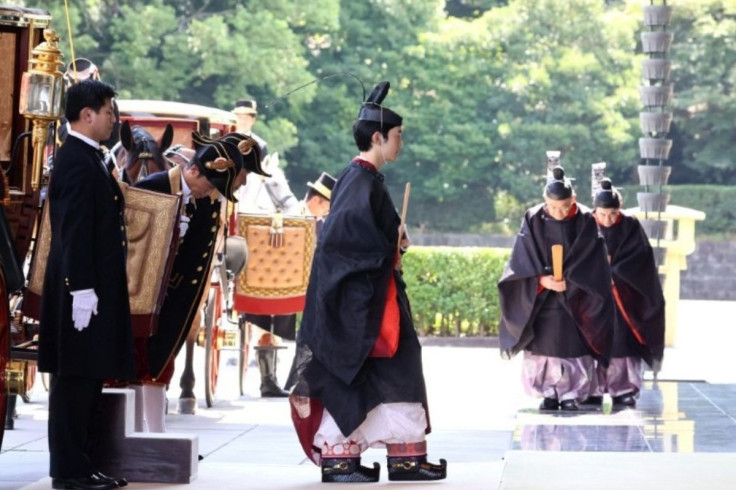
Japan is facing renewed questions over the future of its imperial family as concerns grow that centuries-old succession laws are leaving the world's oldest hereditary monarchy with an increasingly limited number of eligible heirs.
The issue has returned to the spotlight amid growing debate over whether Japan should reform rules that allow only male descendants in the paternal line to inherit the Chrysanthemum Throne. While there is no immediate succession emergency, experts and former officials have warned that the shrinking imperial household could create long-term challenges for the institution.
The discussion has become one of the country's most sensitive political and cultural debates, pitting tradition against calls for modernisation.
Why the Succession Debate Is Growing
Under Japan's Imperial House Law, only men descended through the male line are eligible to become emperor.
The current line of succession is headed by Crown Prince Akishino, the younger brother of Emperor Naruhito, followed by Akishino's son, Prince Hisahito. The limited number of eligible male heirs has repeatedly raised concerns about the monarchy's long-term future.
At the same time, the imperial family continues to shrink. Female members are required to leave the imperial household when they marry commoners, reducing the number of royals available to carry out public duties.
As more women leave the family, pressure has increased on policymakers to consider whether the current system remains sustainable.
Public Support for Change Remains Strong
Opinion surveys over recent years have consistently shown strong public support for allowing women to inherit the throne.
Supporters of reform argue that expanding succession eligibility would provide greater stability and help secure the future of the imperial institution. Some have also proposed allowing female royals to remain members of the imperial family after marriage.
Several advisory panels have examined possible reforms, but successive governments have been reluctant to pursue major changes because of the issue's political sensitivity.
The debate has therefore remained unresolved despite repeated warnings about the shrinking size of the royal household.
Tradition Continues to Shape the Debate
Conservative lawmakers and traditionalists have opposed altering the succession system, arguing that the imperial family's legitimacy is tied to its historic male lineage.
For supporters of the current arrangement, maintaining continuity is seen as essential to preserving one of Japan's oldest institutions. They argue that changing the rules could fundamentally alter the character of the monarchy.
Those opposing reform also point to the symbolic importance of the imperial family, which traces its origins back centuries and remains a central part of Japan's national identity.
As a result, efforts to modernise succession laws have repeatedly stalled.
Future of the Throne
Although there is no immediate threat to the succession, the issue is unlikely to disappear.
Prince Hisahito remains the only young male heir of his generation, placing significant attention on the future of the existing system. Many experts believe Japan will eventually have to decide whether preserving tradition should take priority over expanding the pool of potential successors.
For now, the imperial family remains stable and continues to enjoy broad public support. Yet the debate surrounding succession reflects a larger challenge facing modern Japan: how to balance centuries-old traditions with the realities of a changing society.
The outcome could shape not only the future of the monarchy but also how Japan defines the role of one of its most enduring national institutions in the decades ahead.
© Copyright IBTimes 2026. All rights reserved.
- Recommended For You