

Japan Warns Russia There Is No Easy Way Around Jet Fuel Sanctions Amid Aviation Crackdown
Tokyo tightens sanctions to limit Russia's aviation sector access.
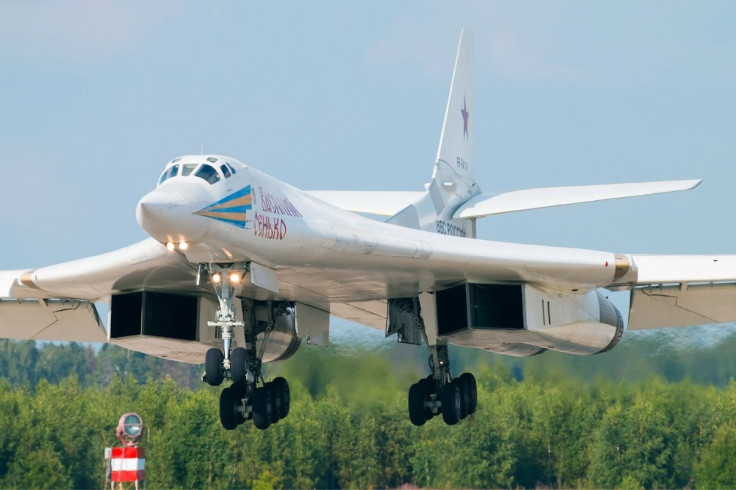
Japan has warned that Russia will not be able to easily circumvent restrictions on aviation fuel exports, as Tokyo moves to strengthen enforcement of sanctions aimed at limiting Moscow's access to critical supplies for its aviation sector.
The warning follows reports that Russian entities have sought alternative routes to obtain jet fuel and related products after a series of international sanctions imposed since the invasion of Ukraine. Japanese officials said export controls remain in force and that any attempts to bypass restrictions through third countries or intermediary arrangements would face increased scrutiny.
The development marks the latest effort by Japan to tighten economic pressure on Russia as Western allies continue to target sectors considered vital to Moscow's military and industrial capabilities.
Tokyo Reinforces Sanctions Policy
Japan introduced toughened restrictions on exports of aviation fuel and other strategic goods as part of a broader package of sanctions imposed in coordination with G7 partners.
Officials have repeatedly stated that the measures are designed to reduce Russia's ability to sustain military operations while increasing the economic costs of the war in Ukraine. Recent reports suggesting that Russian buyers may be seeking alternative supply channels prompted renewed warnings from Japanese authorities.
Government officials stressed that sanctions enforcement remains a priority and that companies are expected to comply fully with export control regulations. Authorities also indicated they would continue monitoring international trade flows for signs of sanctions evasion.
The warning reflects growing concerns among allied governments that Russia is attempting to develop alternative procurement networks to reduce the impact of international restrictions.
Aviation Sector Faces Continued Pressure
The aviation industry has emerged as one of the sectors most heavily affected by sanctions imposed since 2022.
Restrictions on aircraft parts, maintenance services, and fuel supplies have complicated operations for Russian airlines and aviation companies. Industry analysts say the loss of access to international suppliers has forced operators to rely increasingly on domestic alternatives and parallel import channels.
Jet fuel remains a critical resource for both civilian and state aviation activities. As a result, sanctions targeting aviation-related products are viewed by policymakers as an important tool for limiting Russia's operational flexibility.
Japanese officials have argued that maintaining pressure on the sector is necessary to ensure sanctions remain effective and cannot be easily undermined through indirect trade routes.
Russia Continues Seeking Alternatives
Moscow has consistently criticised Western sanctions, describing them as illegal and ineffective. Russian officials maintain that the country's economy has adapted to restrictions by strengthening trade relationships with non-Western partners and expanding domestic production.
However, analysts note that access to specialised technologies and aviation-related supplies remains a challenge for certain industries.
Efforts to obtain restricted products through intermediary countries have become a growing concern for governments enforcing sanctions. Authorities in several countries have responded by expanding monitoring measures and increasing cooperation on export-control enforcement.
The latest warning from Tokyo signals that Japan intends to remain actively involved in those efforts alongside its international partners.
What Happens Next?
Japan's stance highlights the continuing focus on sanctions enforcement more than four years after the start of the war in Ukraine.
While Russia continues searching for alternative supply channels, Japanese officials insist that restrictions on aviation fuel and other strategic exports will remain in place. Governments across the G7 are also expected to maintain pressure on sectors viewed as essential to Russia's long-term military and economic resilience.
For Moscow, the challenge will be finding sustainable ways to secure critical supplies without triggering additional enforcement measures. For Japan and its allies, the priority remains closing potential loopholes and ensuring sanctions continue to achieve their intended effect as the conflict enters another year.
© Copyright IBTimes 2026. All rights reserved.