Kari Lake Grilled Over Cartel Allegations And Voice Of America Layoffs During Senate Hearing
Senators challenge Lake's political record, leadership decisions at confirmation hearing for Ambassador to Jamaica
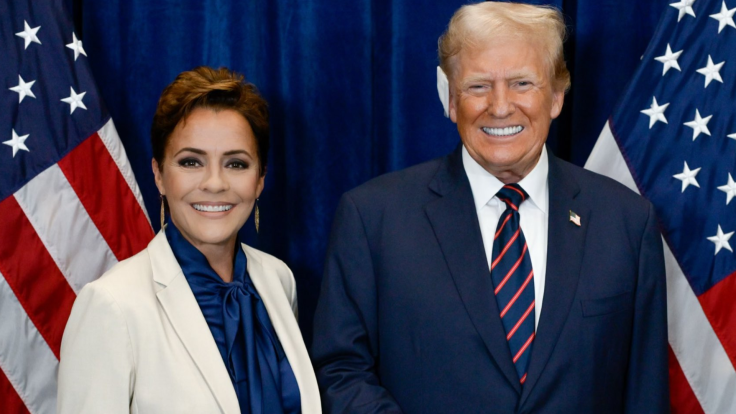
Kari Lake's Senate confirmation hearing for the role of US ambassador to Jamaica quickly turned into a high-stakes examination of her political record, with lawmakers challenging her over past allegations against Senator Ruben Gallego and her controversial leadership at the US Agency for Global Media.
Senators Challenge Her Claims About Ruben Gallego
One of the most heated moments came when Senator Tim Kaine questioned Lake over comments she made during Arizona's 2024 Senate race against Ruben Gallego.
Kaine focused on Lake's repeated claims that Gallego was somehow linked to drug cartels because of his father's criminal history. During the hearing, the senator argued that Lake had never produced evidence showing that Gallego himself was controlled by or connected to cartels.
When asked directly whether she had proof to support those allegations, Lake did not offer new evidence and instead pointed to information regarding Gallego's father.
Kaine repeatedly pressed her on the distinction, arguing that comments about a relative did not justify accusations against the senator himself.
The exchange became increasingly tense when Kaine suggested that Lake should apologise for the remarks. Lake declined, maintaining that she stood by her previous statements. The confrontation highlighted one of the biggest concerns among critics who argue that Lake has frequently relied on controversial claims during political campaigns.
Questions Grow Over Voice Of America Layoffs
The hearing also revisited Lake's controversial tenure at the US Agency for Global Media, the organisation that oversees Voice of America and several international broadcasting networks.
Senator Chris Murphy focused heavily on decisions made during Lake's time at the agency, particularly staffing reductions and operational changes affecting Persian-language broadcasting aimed at audiences in Iran.
Murphy questioned whether key broadcasting capabilities had been unnecessarily restricted during a period of growing tensions in the Middle East.
He specifically raised concerns about transmitter access and whether agency staff had been prevented from fully broadcasting information into Iran.
Lake defended the agency's actions, arguing that resources had been managed according to operational requirements and that services were expanded whenever major news events occurred. However, Murphy remained unconvinced, suggesting that important communication channels had been weakened at a critical time.
The discussion underscored broader criticism surrounding Lake's management of the agency, where thousands of employees were affected by restructuring efforts and budget reductions.
Scrutiny Over Agency Decisions Continues
Senator Jeanne Shaheen expanded on those concerns, questioning the financial and operational consequences of the agency's workforce reductions.
Shaheen cited reports that large numbers of employees had been placed on administrative leave while continuing to receive pay, creating significant costs for taxpayers. She also pointed to findings that challenged the legal basis for some staffing decisions.
During the exchange, Shaheen questioned whether Congress had received adequate cooperation from Lake and her team when seeking information about agency operations.
Lake responded by insisting that agency officials had worked to maintain communication with congressional offices and argued that difficult decisions were necessary to meet directives regarding staffing levels. She also expressed a willingness to improve communication if confirmed for the ambassadorial role.
The back-and-forth reflected ongoing concerns among lawmakers who believe the agency's mission was weakened by the changes implemented during Lake's leadership.
Lake's Diplomatic Credentials
Despite the criticism, Lake used parts of the hearing to present herself as a capable nominee prepared for diplomatic service.
She highlighted her background, personal experiences and political campaigns, arguing that they had taught her valuable lessons about leadership and communication. Lake described herself as someone who had fought for election integrity and maintained strong support from grassroots voters.
When given an opportunity to address her past election campaigns, she said she was proud of how they had been conducted and stressed her desire to focus on future responsibilities rather than past political battles.
Lake also outlined priorities she would pursue if confirmed as ambassador to Jamaica, including strengthening economic ties and supporting American business interests.
Still, the hearing made clear that many senators remain focused on the controversies that have defined much of her recent public career. By the end of the session, lawmakers had spent far more time examining her past actions than discussing Jamaica itself.
© Copyright IBTimes 2026. All rights reserved.
- Recommended For You