Kash Patel Under Fire After FBI Rejects Request for Travel Records Days Before Charlie Kirk Assassination
A FOIA request for Kash Patel's travel records sparks a public dispute between Candace Owens and the FBI
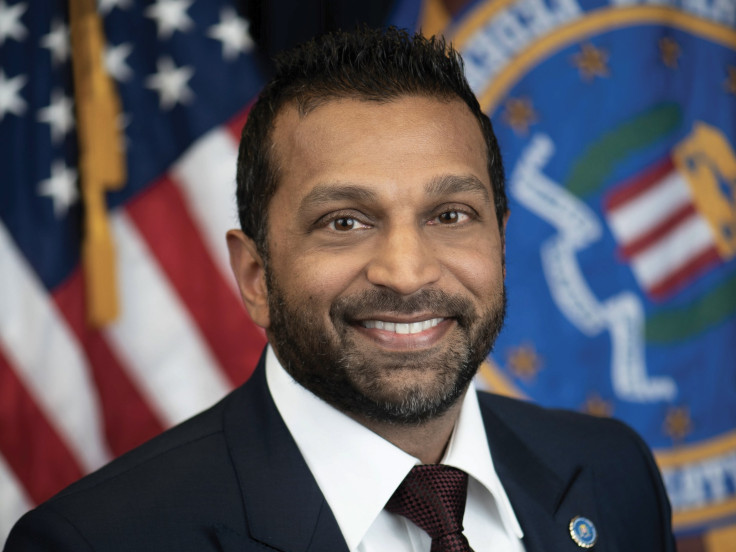
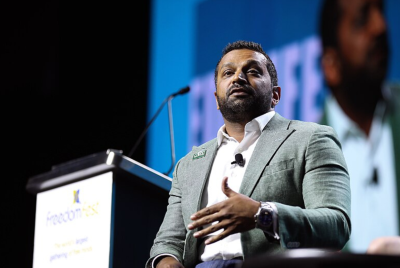
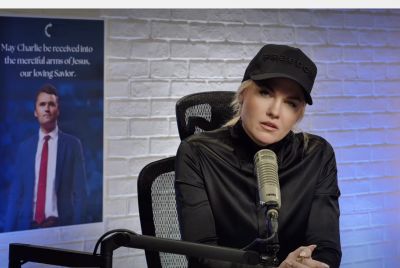
A request for FBI records linked to Kash Patel's travel schedule has ignited a heated public clash between conservative commentator Candace Owens and the agency, with both sides accusing the other of misleading the public.
Owens claimed the FBI rejected her attempt to obtain Patel's travel itinerary from the days before Charlie Kirk's assassination, while the bureau pushed back, saying her description of the response was inaccurate. The dispute quickly spread online, turning a routine records request into a major political controversy.
Owens FBI Records Request
The controversy began when Candace Owens revealed on X that she had submitted a Freedom of Information Act request seeking FBI Director Kash Patel's travel itinerary for the three days before Charlie Kirk was fatally shot during an event at Utah Valley University in September 2025.
Owens said the FBI informed her that the request created too much administrative difficulty, describing the response as a rejection of her attempt to access the records.
In her post, Owens questioned how such a request could be considered unreasonable and argued that the public deserved transparency surrounding events connected to Kirk's death.
The request became part of Owens' broader public campaign to examine unanswered questions surrounding the assassination. She has continued discussing theories and seeking additional information related to the investigation, though many of her claims have not been verified by authorities.
Via FOIA, we formally requested Kash Patel’s travel itinerary for the 3 days leading up to Charlie Kirk’s assassination and we just heard back and were told the burden of the request is too great.
— Candace Owens (@RealCandaceO) June 15, 2026
How is this even remotely legal?
FBI Pushes Back Against Owens' Claims
The FBI quickly responded to Owens' accusations through its Rapid Response account on X, directly challenging her description of the exchange.
The agency shared the written response sent to Owens and argued that it never stated the request was denied because the burden was too great.
The FBI wrote: 'Please show us on the document sent to you acknowledging your FOIA request where we said: The burden of the request is too great.'
The agency accused Owens of misrepresenting the response and said public figures should not create misleading impressions about government records processes.
The FBI later added that describing the request as denied for that reason was inaccurate and suggested that the claim was being used for attention.
The disagreement quickly became a public back and forth, with both sides defending their own interpretation of the exchange.
Dear @RealCandaceO
— FBI Rapid Response (@FBI_Response) June 15, 2026
Please show us on the document sent to you ACKNOWLEDGING your FOIA request where we said:
“The burden of the request is too great.”🤔🤔
Your “show” just like the fake news media will be called out when you LIE!
We hope this helps. https://t.co/dkV9wQfrpH pic.twitter.com/goC0MZnMOX
Owens Fires Back At FBI Response
Owens responded by rejecting the FBI's criticism and argued that she had not falsely quoted the agency.
She explained that she was summarising the meaning of the response rather than directly quoting the wording. Owens said the FBI's suggestion to reduce the scope of the request was effectively the same as saying the request created a significant burden.
To the intern running this X account— you’ll note that we did not put your response in quotation marks. That’s called, “paraphrasing”.
— Candace Owens (@RealCandaceO) June 15, 2026
When you wrote back to us suggesting that we “reduce the scope of [our] request” while referring to our request for a mere 3 day itinerary as… https://t.co/iXIJ9C1qDM
She also criticised the agency's decision to respond publicly, questioning why the FBI focused on her wording instead of addressing the records request itself.
In another post, Owens mocked the agency's response and accused officials of spending time defending themselves online instead of providing information connected to major investigations.
Do you have nothing better to do than be a nitpicking little bitch in front of the world? Are you not embarrassed that other countries can read this account?
— Candace Owens (@RealCandaceO) June 15, 2026
When we said “denied” we meant denied the mandated 20 day turnaround for an FOIA response. We WERE, in fact, denied that… https://t.co/ZzRevn3AjT
The exchange attracted strong reactions from supporters and critics, with many users debating whether the FBI was appropriately correcting misinformation or avoiding the larger questions surrounding the request.
When you tell your audience you were “denied” that would be a lie for clickbait. pic.twitter.com/830Wtj70ZO
— FBI Rapid Response (@FBI_Response) June 15, 2026
Debate Grows Over Transparency And Public Trust
FOIA requests are often used by journalists, researchers and members of the public to obtain information from government agencies. However, agencies can limit or delay requests due to issues such as scope, resources or legal restrictions.
‼️🇺🇸: @RealCandaceO FOIA request for FBI Director Kash Patel's travels for the 3-days just prior Charlie Kirk's assassination were DENIED citing "burdensome" 👀
— Diligent Denizen 🇺🇸 (@DiligentDenizen) June 15, 2026
These 3 days would be the time window for the Fort Huachuca meeting to have happened.
The cover-up knows no end. 🤨 pic.twitter.com/Fux077asoJ
In this case, the disagreement centres on whether Owens' request was properly handled and whether the FBI's response was accurately described.
The controversy also comes during ongoing public interest in investigations connected to high-profile political figures and events. Supporters of Owens argue that questions surrounding Kirk's assassination deserve full transparency, while critics say unverified claims can create confusion around active investigations.
© Copyright IBTimes 2026. All rights reserved.
- Recommended For You